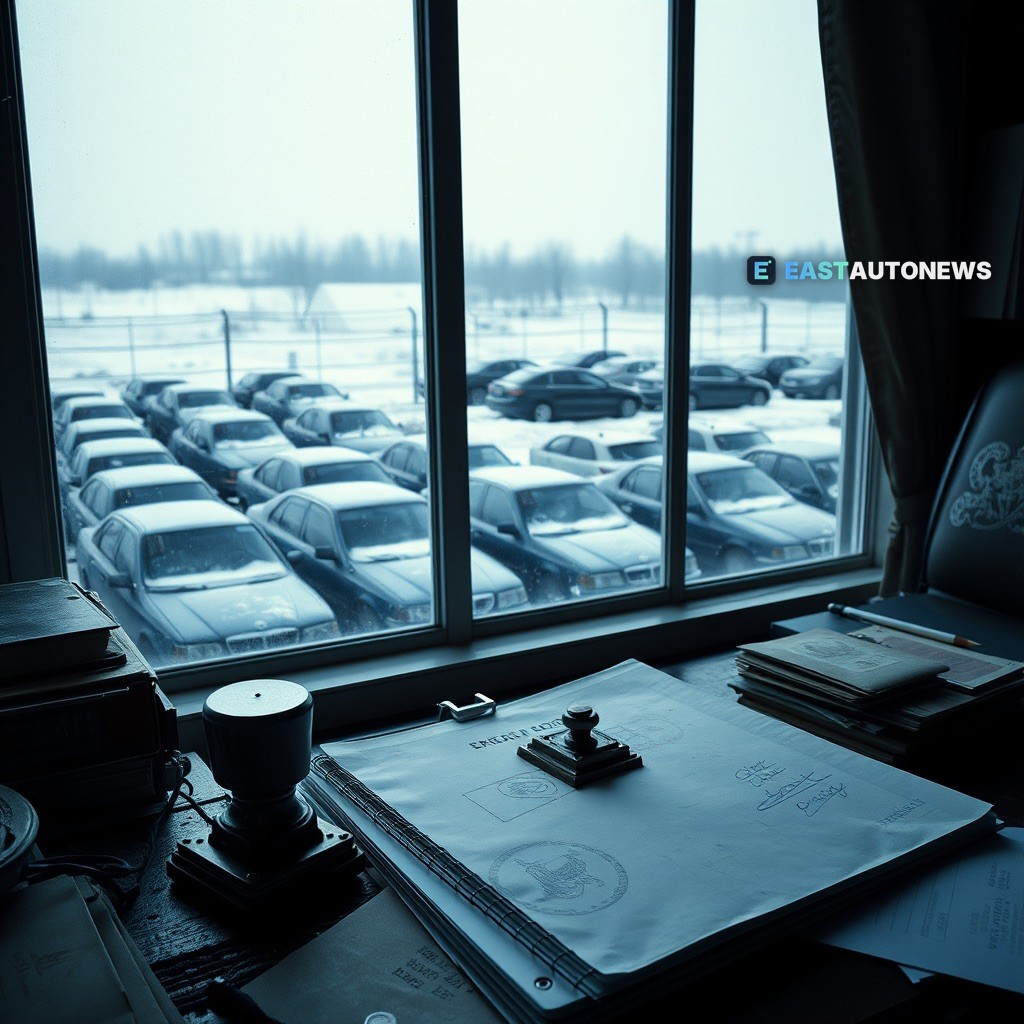
Seventy-one thousand, seven hundred and forty-nine vehicles have just vanished from Estonia's traffic registry — not from the roads, but from the record. The Transport Administration has removed the entries after determining that their long-suspended registrations met the legal definition of missing vehicles, closing the file on machines that spent years in a bureaucratic gray zone: on the books, but nowhere in traffic.
For the regional vehicle trade, the mechanics of the purge deserve a close reading. These were vehicles whose registrations had been suspended for extended periods, meaning their owners had long since stopped treating them as roadworthy assets. By reclassifying them as missing and striking them outright, the Transport Administration has removed any lingering ambiguity about their status. Anyone still holding paperwork on such a vehicle now owns something the registry no longer recognizes — and bringing it back to legal life would, in practice, mean navigating the registration process from scratch.
The business implications reach well beyond individual owners. Registry data underpins everything from road-safety statistics and tax models to used-market forecasting and insurance risk pools, and nearly 72,000 phantom entries distort every dataset built on top of them. A leaner registry gives Estonia a truer picture of what actually drives on its roads — and gives fleet operators, parts distributors and vehicle valuers a cleaner baseline for the decisions they make in the Baltic market.