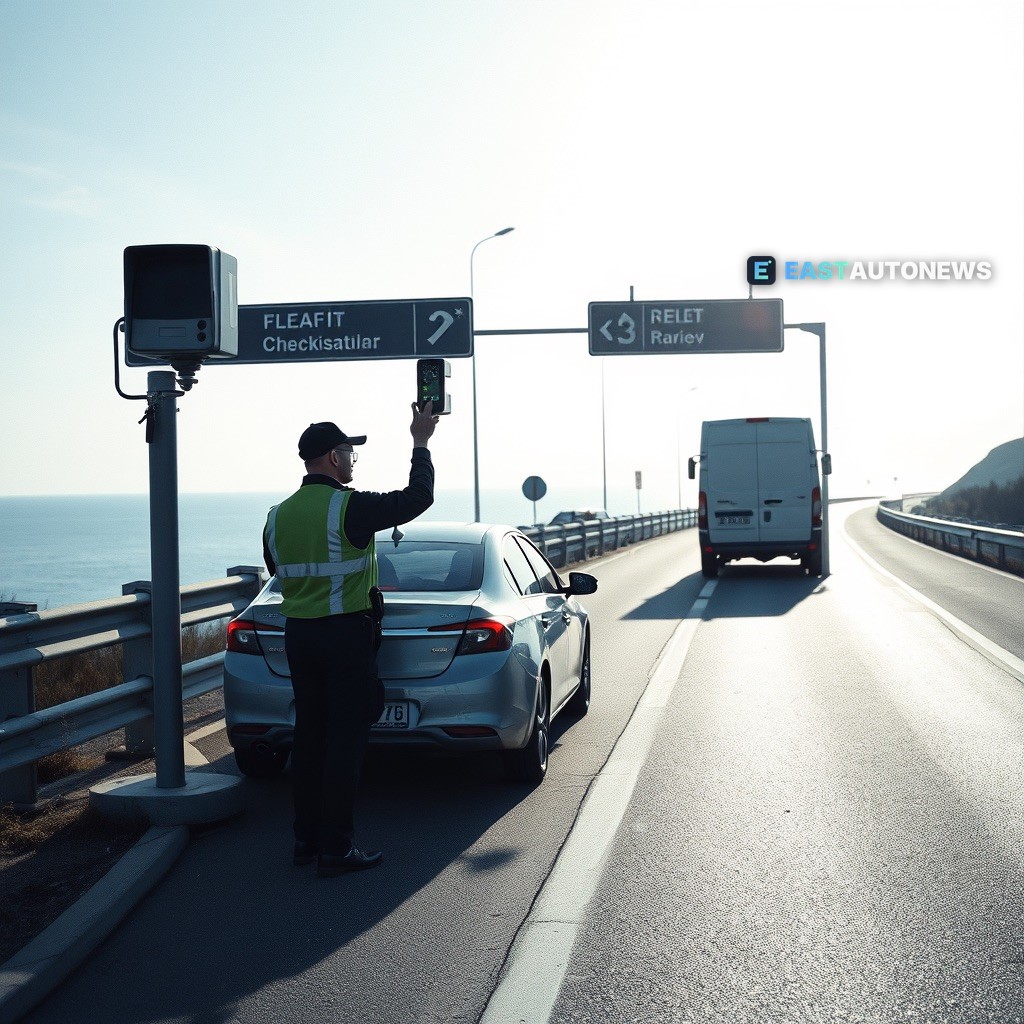
On Slovenia's roads, the car may soon do more of the driving — but it will never do the answering. State Secretary Marko Dvornik has now set out exactly how Ljubljana intends to handle Tesla's Full Self-Driving: with the door open and a firm hand on the wheel.
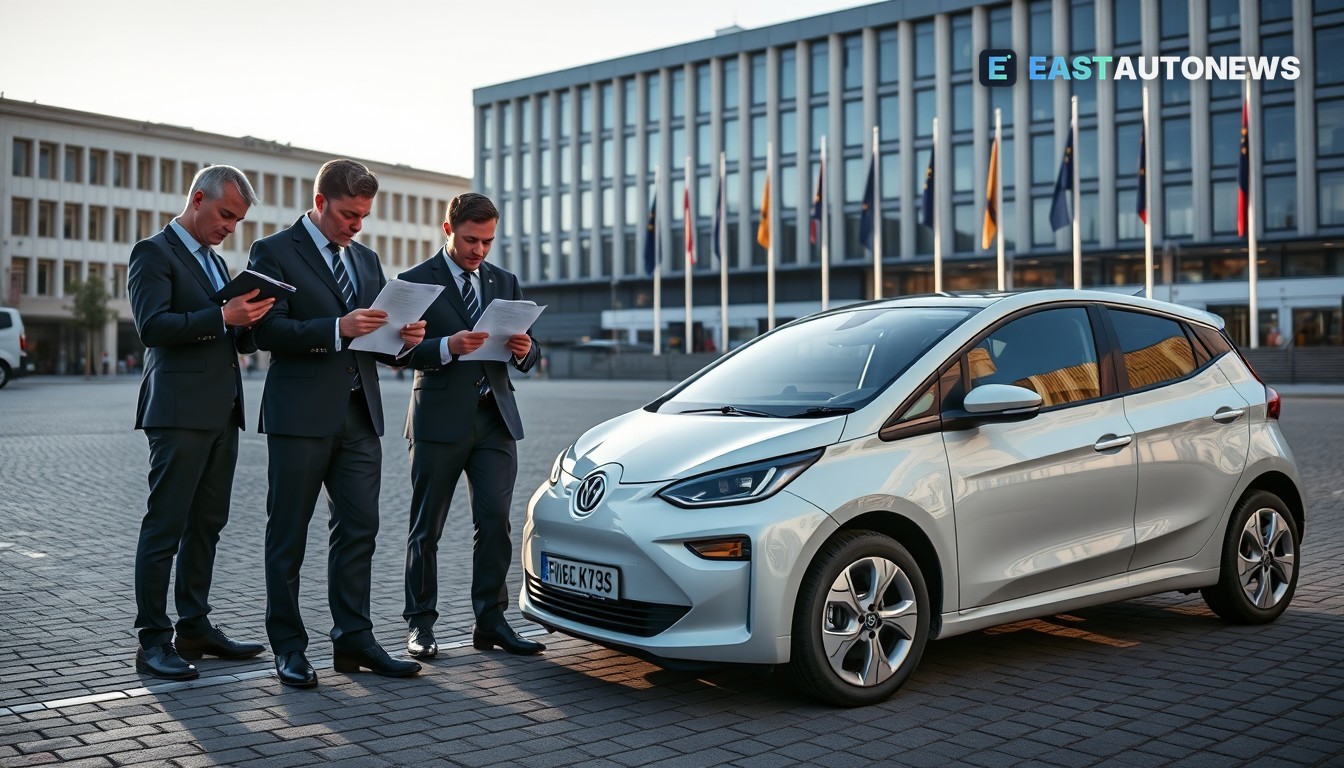
The formal step came on 7 September 2026, when Slovenia recognised the Dutch provisional approval of Tesla's FSD. "Slovenia supports the introduction of advanced driver-assistance technologies, with road safety as our main priority," Dvornik said in an interview. The wording is deliberately double-edged: an open invitation to innovate, with safety as the non-negotiable price of admission.
What that means in practice is captured by the phrase that anchors the conversation: "they remain fully responsible." The driver who engages the system keeps full responsibility for the vehicle — towards the law, the insurer and everyone else on the road. In Slovenia's reading, FSD is assistance, not autonomy, and no over-the-air update shifts the duty of care from human to machine.
For the regional trade, that clarity is the real headline. Importers, dealers and fleet operators across Central and Eastern Europe have watched Tesla's European FSD rollout with one question: will regulators open the door, block it, or leave it ajar? Ljubljana has now answered — and by recognising a Dutch approval, it has underlined how quickly such decisions can ripple through the EU's single market once a single member state moves.