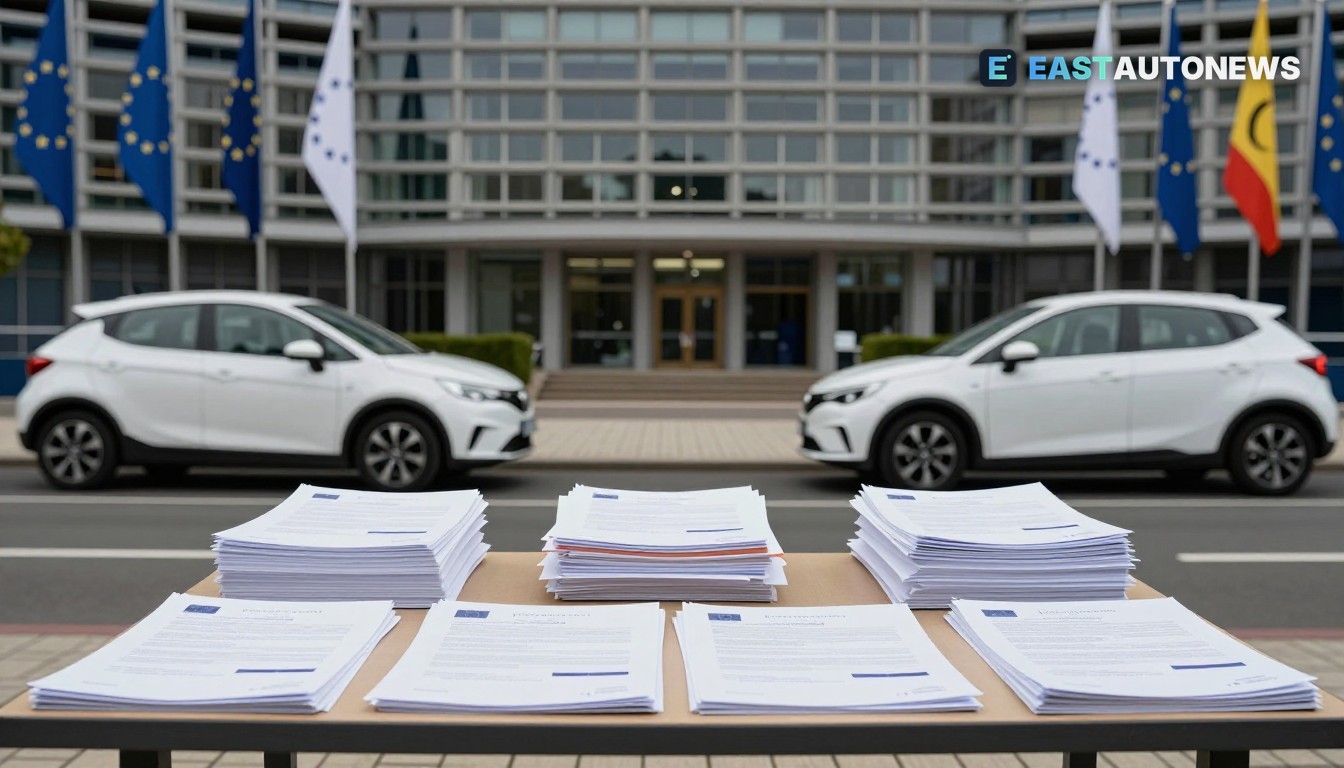
On 23 November 2026 the Council of the European Union formally adopted the EU’s annual budget for 2027, setting total commitments at €199.7 billion and total payments at €211.5 billion. The adoption follows a provisional agreement reached between Council and Parliament on 11 November and will be submitted to the European Parliament for final approval in the November plenary session.
What the 2027 figures cover
The consolidated text preserves funding for priorities relevant to the automotive sector and its suppliers in Central and Eastern Europe: research and innovation under Horizon Europe, transport and energy network investments, and targeted industrial instruments such as chip and battery manufacturing support. The Council noted the package includes reserves to react to unforeseeable needs and keeps €710.1 million available under the current MFF ceilings.
Parliamentary reporting and budget documents show negotiators secured modest uplifts for R&D and transport lines during conciliation — the agreement reflected adjustments that add targeted resources to Horizon Europe and to transport and energy infrastructure programmes, which are used by carmakers and suppliers for electrification, connectivity and grid upgrades.
Immediate implications for industry policy
The final 2027 budget is the last annual instalment under the current 2021–2027 Multiannual Financial Framework; its composition determines short-term EU co‑financing available for national recovery and cohesion programmes, transport corridors and cross‑border energy upgrades. Many CEE governments and regional authorities rely on EU-led grants and the programme architecture to co‑fund charging corridors, battery value‑chain projects and semiconductor/power‑electronics investments that underpin local car factories and suppliers. The Council’s decision therefore preserves a predictable envelope for those programmes into 2027.
What this means for the market
For Central and Eastern Europe the budget outcome matters as a practical lever: EU co‑funding reduces the capital cost of public infrastructure (fast chargers, grid reinforcements) and de‑risks R&D partnerships between local suppliers and OEMs. Projects that target chips, power electronics and battery manufacturing can tap Horizon and Connecting Europe Facility streams; the retained 2027 envelope keeps those opportunities open while negotiators prepare the next MFF for 2028–2034.
Procurement timetables and national calls will determine how quickly funds translate into on‑the‑ground investment. But the Council’s formal adoption on 23 November clears a major procedural hurdle: member states and regions can expect continuity of EU-backed programmes that many CEE regions have already aligned with industrial plans. The European Parliament’s final vote in late November is the remaining formal step before the budget enters into force on 1 January 2027.
Electric vehicles listings on WorldTrader24 →
Sources: Council of the European Union, European Parliament Research Service