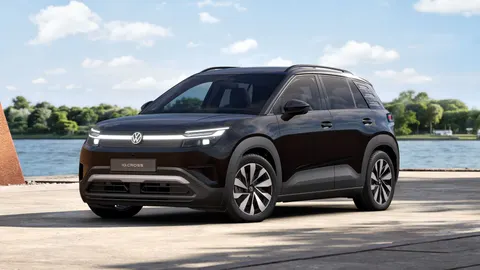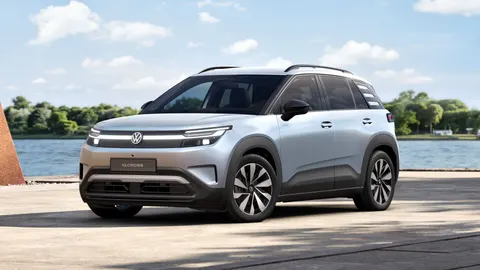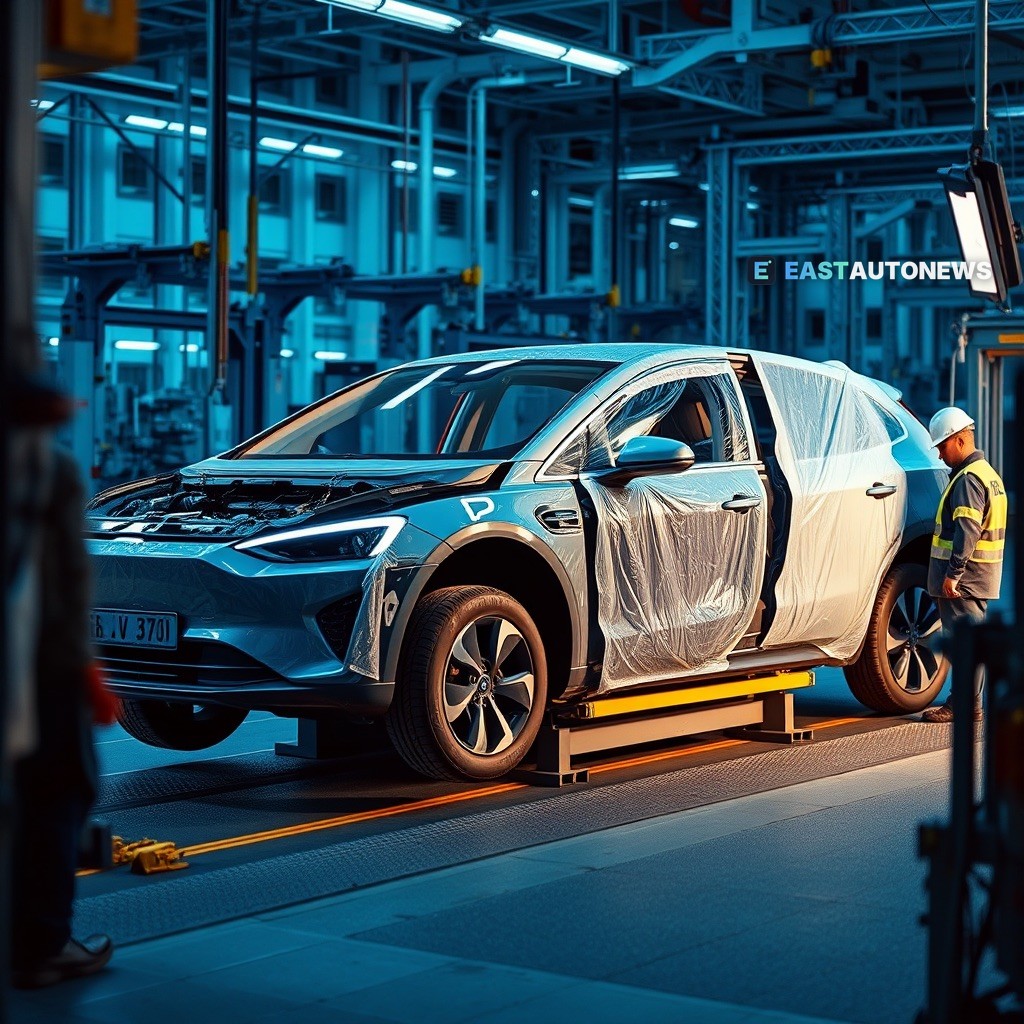
In Kolín, home to Toyota's Czech plant, an expansion is on the drawing board — and Brussels is about to change the arithmetic behind it. According to a report in late October, the Japanese automaker plans to grow its Czech production footprint. The EU's 'Made in Europe' push, however, is rewriting the rules under which such investments made sense — and Japanese automakers have reason to be nervous.
The core of the plan is blunt. Under the new rules, only electric vehicles manufactured in the EU would be eligible for subsidies and public procurement. Cars imported from Japan would not qualify at all. And the clause that matters most for Central Europe: models built in France, Portugal and Eastern Europe would benefit only if enough of their parts come from Europe. Assembly inside the bloc, in other words, is necessary — but not sufficient.
That last condition turns Toyota's Czech expansion from a straightforward capacity story into a strategic puzzle. Building within the EU is exactly the kind of investment Brussels wants to reward, yet a plant's output only counts if enough of what goes into it is European. Suddenly, every component-sourcing decision around the Czech expansion carries policy weight — and the local supply chain becomes part of the business case rather than a footnote to it.
For Czech parts makers, the rules could yet be an opening in disguise. A plant that needs 'enough European parts' is, by definition, a plant that needs regional suppliers, and the Czech Republic's dense supplier base is well placed to answer that call. The catch is uncertainty: Japanese automakers fear the new EU regulations will hit them, and hesitation is the natural response to moving targets. An expansion sized for one regulatory world may have to be recalculated for another.