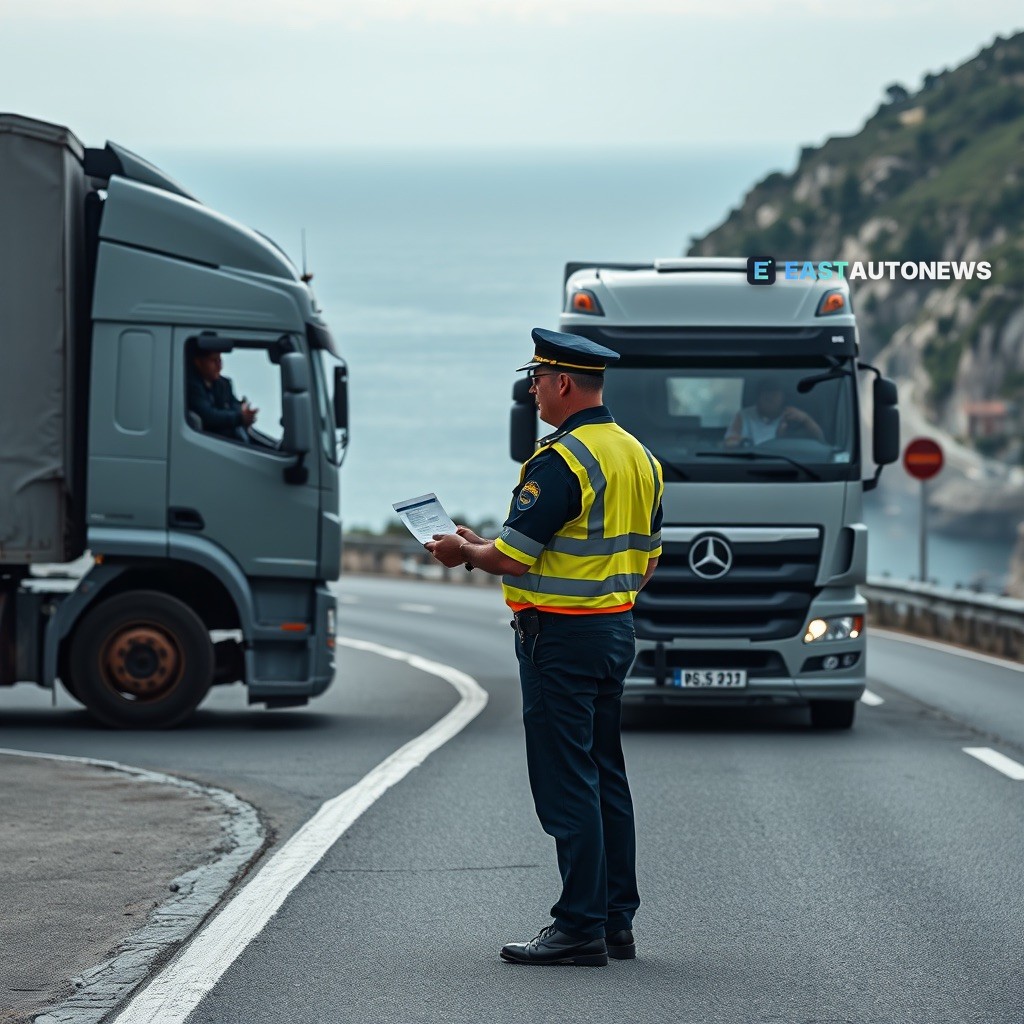
On November 2, the rules of the road in Croatia changed. Significant amendments to the country's Road Traffic Act came into force for road users across the country, and at the heart of the reform sits a blunt message: the penalties are going up. For everyone from daily commuters to the hauliers threading Croatia's transit corridors, the legal landscape has just shifted beneath the wheels — and the cost of getting it wrong has climbed.
This is no routine administrative tidy-up. The amendments represent a substantial rewrite of the Road Traffic Act, and their direction of travel is unambiguous: violations that once drew lighter consequences will now bite harder. The stakes are particularly high in a country whose road network absorbs one of Europe's most dramatic seasonal traffic swings — every summer, the great migration toward the Adriatic coast turns Croatian motorways into slow-moving rivers of cars, campervans and caravans. In that environment, enforcement is not an abstraction; it is daily operating reality for thousands of businesses.
For the region's business community, the story is fundamentally about compliance. Fleet operators, logistics companies and vehicle rental firms with wheels on Croatian asphalt now face a recalibration exercise: driver policies, training routines, telematics thresholds and insurance exposure all warrant a fresh look. Every upward move in penalty levels quietly rewrites the arithmetic of fleet management, turning what was once a manageable cost of doing business into a line item that demands active control — and, for cross-border hauliers, a variable they can no longer afford to ignore.