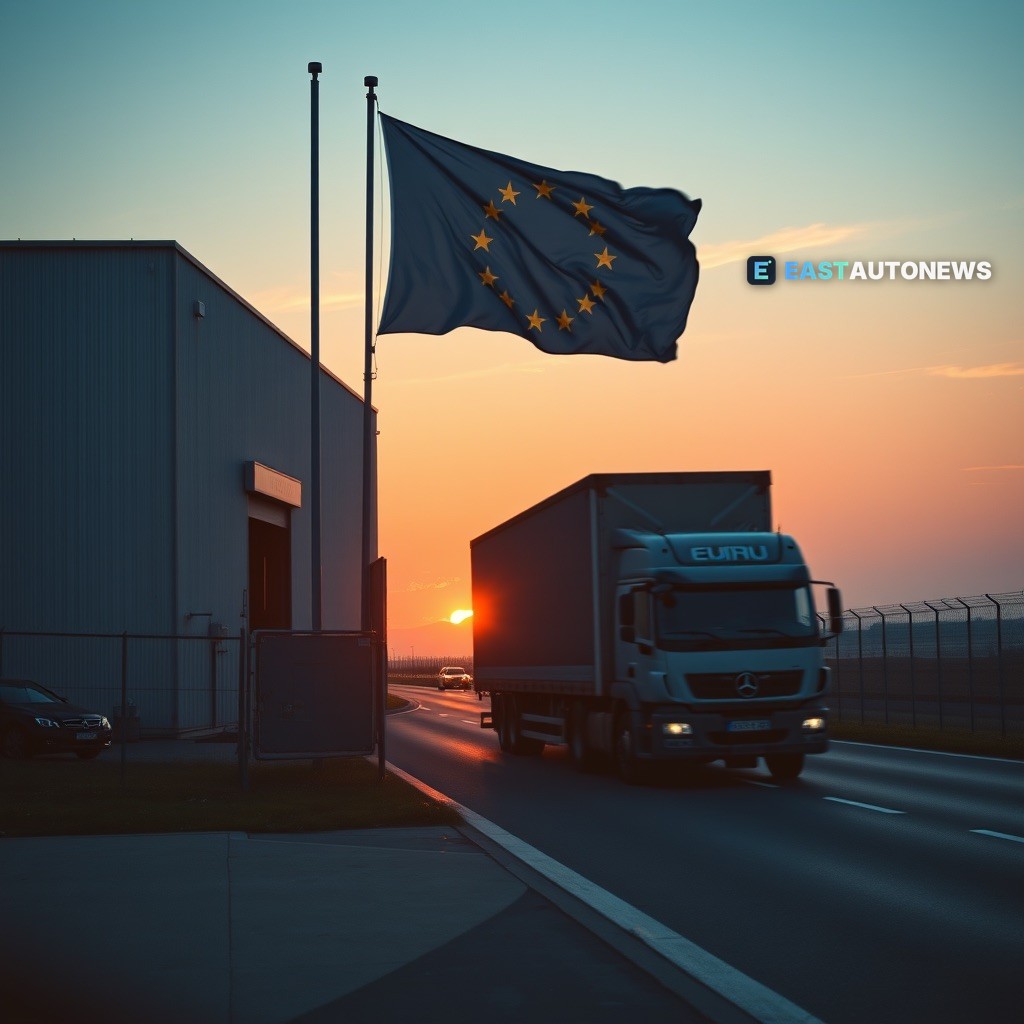
Vilnius rarely commands the floor when Brussels argues about cars — but on Europe's truck charts, Lithuania is currently doing the overtaking. New registration data for the first nine months of 2026 show the EU truck market bouncing back, with Poland among the fastest-growing major markets at 19.5 per cent. Lithuania recorded even stronger growth. In a sector where every new truck is a bet on future freight volumes, that is more than a statistic — it is a statement of confidence from a country whose transport sector has long punched above its weight.
The numbers matter because of who is buying. Lithuanian carriers are international hauliers whose trucks are a familiar sight on Western Europe's motorways, and fleet renewal at this pace suggests operators expect the corridors through the Baltics to stay busy for years. They are committing capital now rather than waiting for the regulatory clarity that Brussels has yet to deliver — a quiet vote of confidence that stands out against the surrounding policy noise.
That noise is getting louder. Brussels' 'Made in Europe' push has unnerved global auto suppliers: cars imported from Japan would not qualify for EU subsidies, while models built in France, Portugal and Eastern Europe would benefit only if enough of their parts come from Europe. The message is blunt — where a vehicle is assembled, and what goes into it, is about to carry commercial consequences. For Lithuanian fleet managers, procurement meetings may never look quite the same.