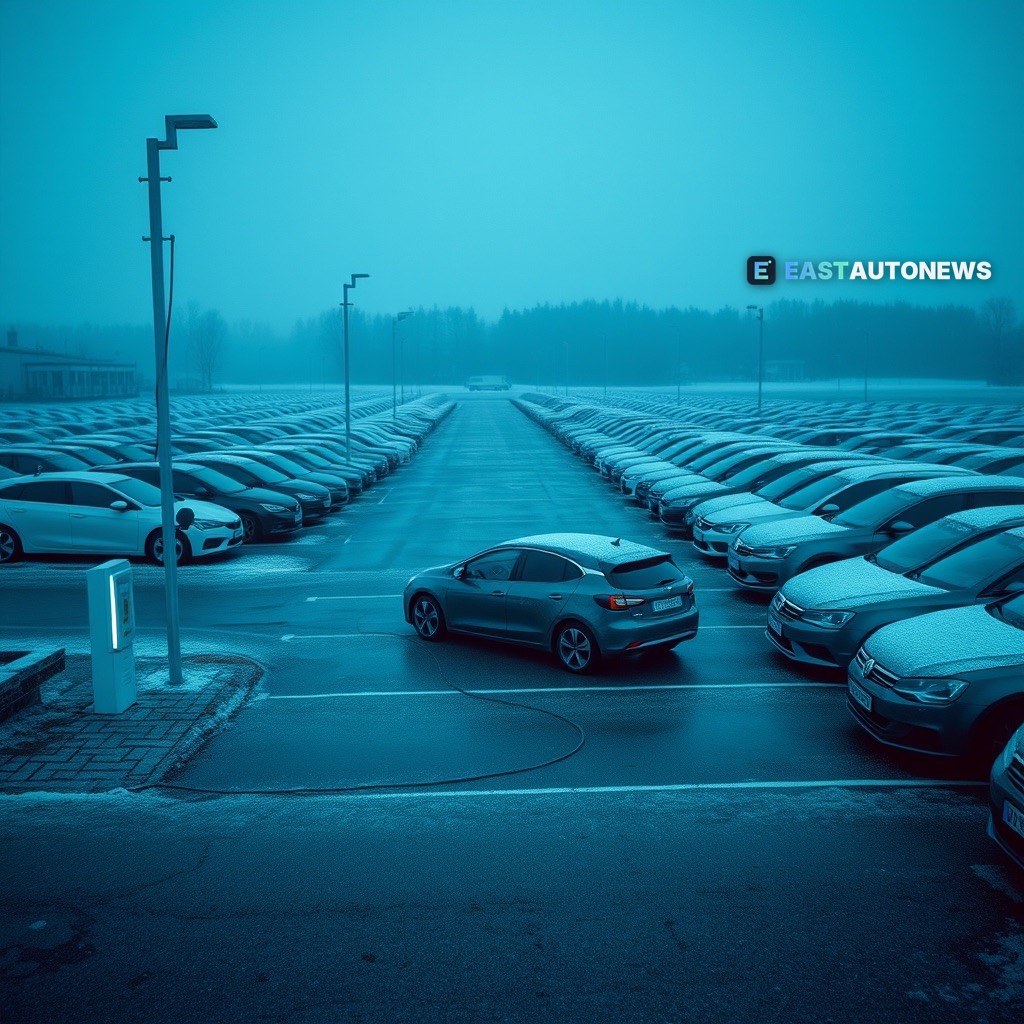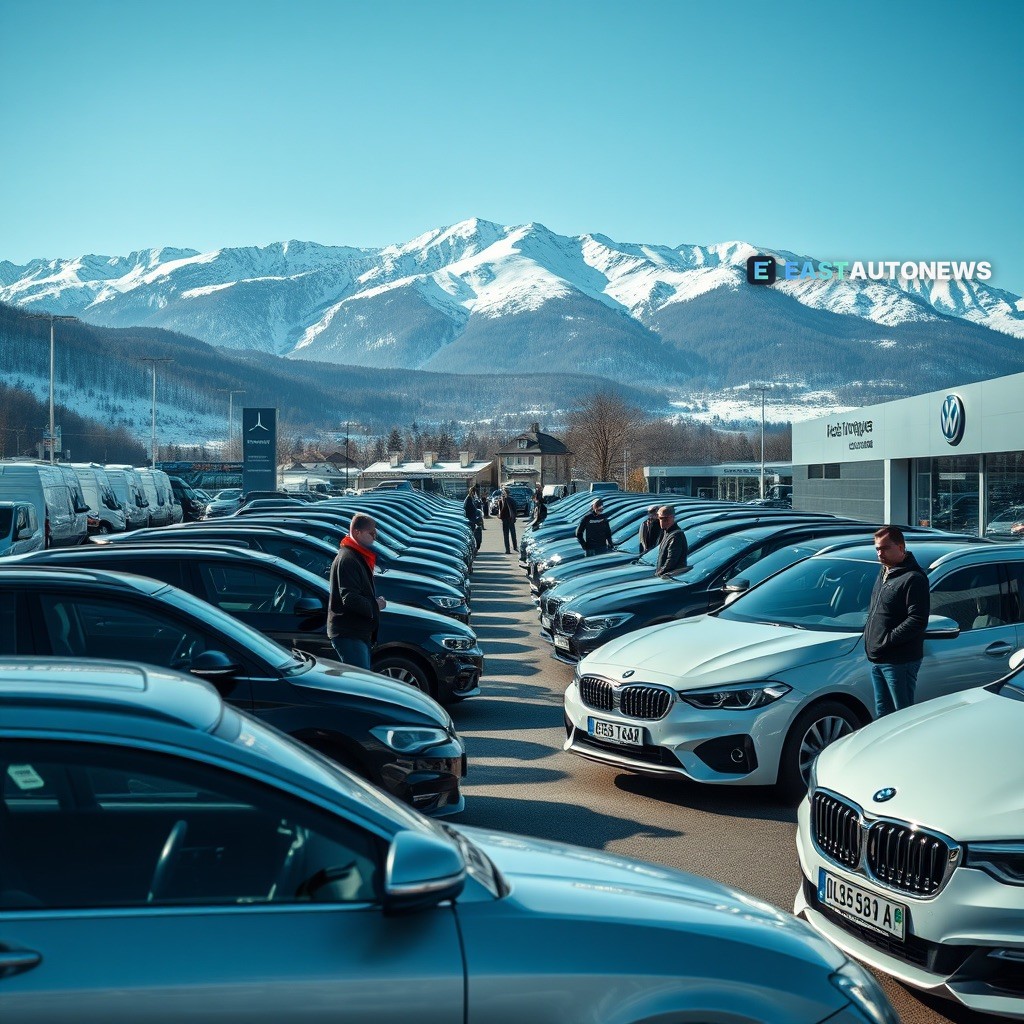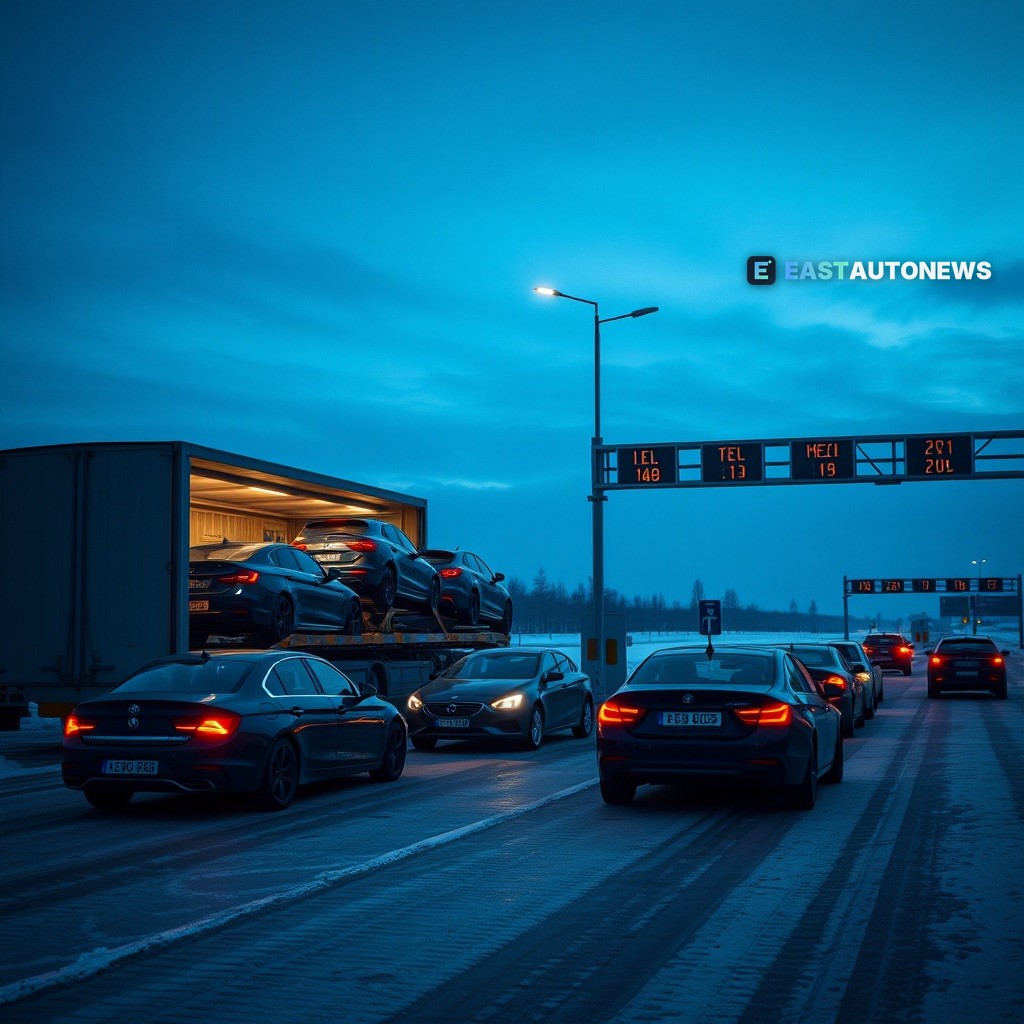
From the cobblestones of Old Riga to the freight terminals along the Daugava, Latvia's car market has always run on rules written elsewhere. Now the rulebook itself is being redrawn. EU lawmakers are moving to relax the 2035 car emissions rules as industry presses for greater flexibility, and in December 2025 the European Commission responded with an automotive package proposing a 90 per cent reduction requirement by 2035 — a notable retreat from the drive toward a complete phase-out of combustion-engine sales. For a small Baltic market whose showrooms are stocked almost entirely by imports, the number on the page matters less than the certainty behind it.
The climbdown did not happen in a vacuum. Competition from Chinese producers has added to the pressure on Europe's incumbents, and the warnings from those tracking the continent's automotive transition have grown blunt: “regulatory deadlines alone cannot manufacture batteries, lower production costs or preserve supplier networks.” Analysts point to an uncomfortable possibility — Europe can achieve a more electric automotive market without achieving a stronger European automotive industry. Deadlines, in other words, can move the market without protecting what builds it.
For Latvia, the calculus is different from Berlin's or Paris's. The country is not fighting to save assembly lines; it is working out what a decade of softened targets means for the dealers who order vehicles, the leasing firms that finance them and the logistics operators running fleets across the Baltic corridor. A target that keeps shifting is harder to plan against than a harsh one. The 90 per cent compromise buys time, but it also pushes the real decisions — which powertrains to stock, at what prices, for which buyers — onto markets that hold little sway in Brussels' bargaining.
Meanwhile, the market is not waiting for the lawyers. In September 2026, electric cars overtook petrol in Europe's new car market — a milestone that landed even as Brussels softened the rules behind it. The Baltic picture remains stubbornly mixed: in neighbouring Estonia, diesel still holds 11.1 per cent of registrations against 7.1 per cent across the EU, and diesel registrations grew 80 per cent, even as the battery-electric share rose to 7.8 per cent — 1,153 cars — up from 7 per cent a year earlier. Latvia, sitting in the same regional flows of trade and travel, finds itself squarely between those opposing currents.
Beyond the headline target, the finer print of EU transport policy will reach Latvian drivers just as directly. An EU regulation sets out requirements for full technical interoperability, real-time consumer information, transparent pricing and accessible payment options that offer alternatives to subscription-based models — provisions echoed in the regional transport statistics with which Eurostat maps the continent, Latvia included. In a country where a drive to Vilnius or Tallinn is a routine errand, interoperable systems and payment freedom are not bureaucratic niceties. They decide whether the transition feels seamless or punitive.
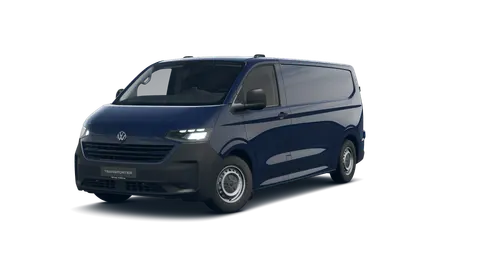
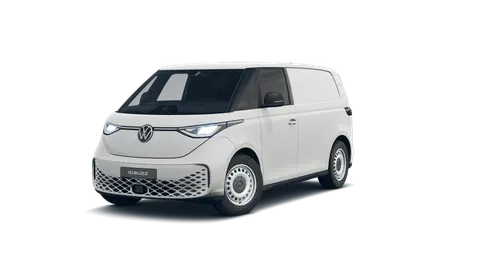
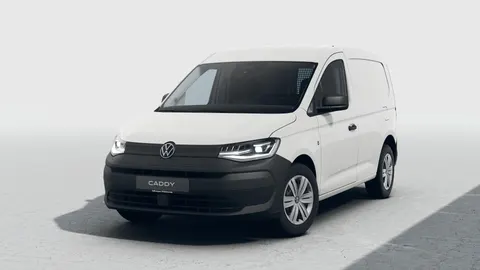
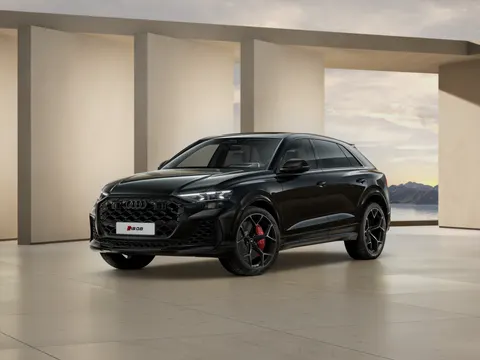
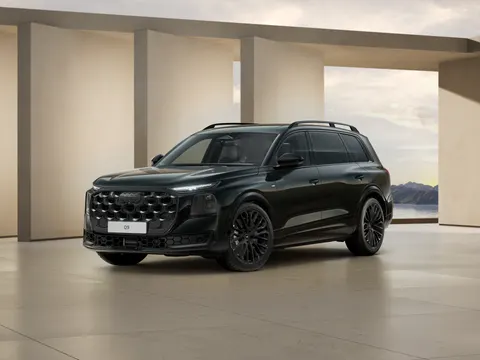
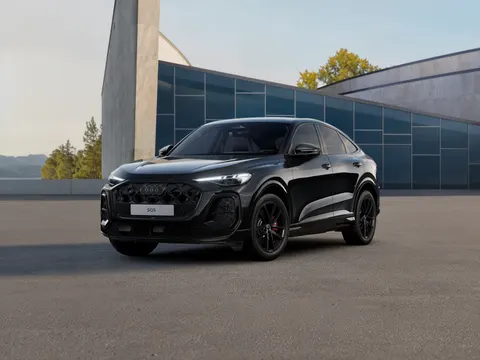
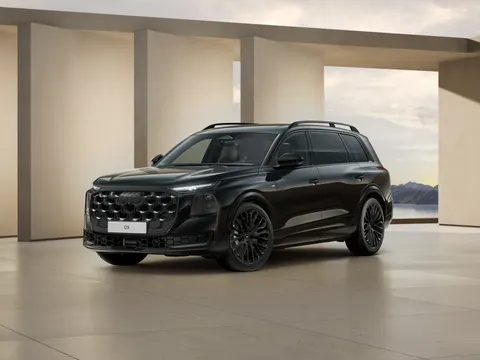
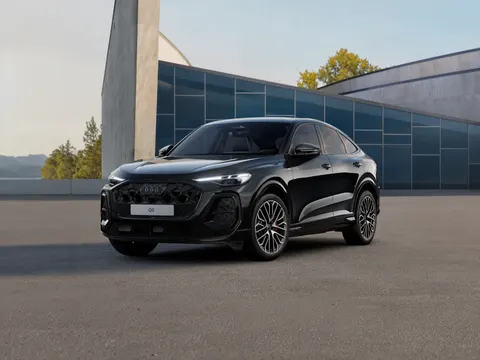
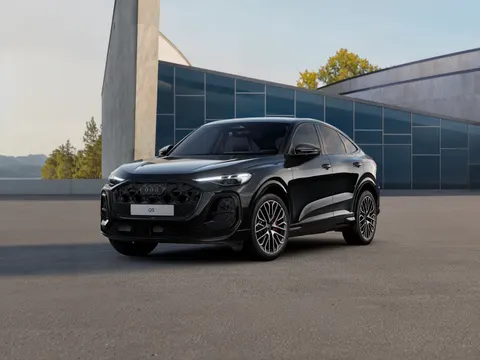
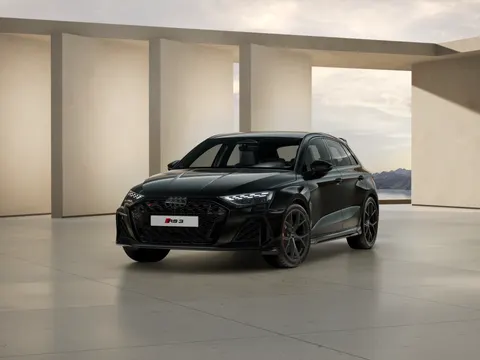
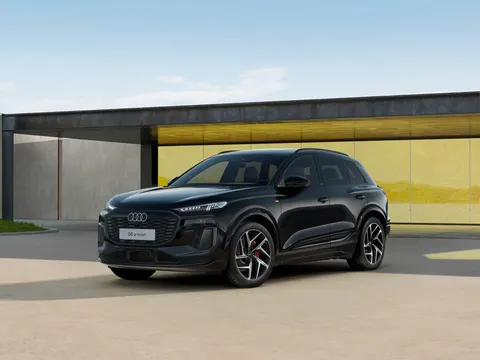
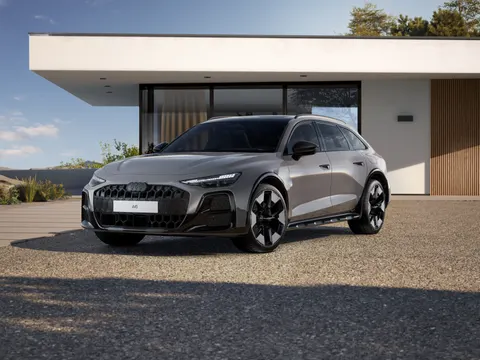
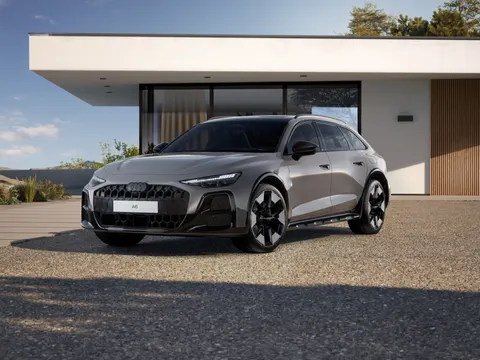
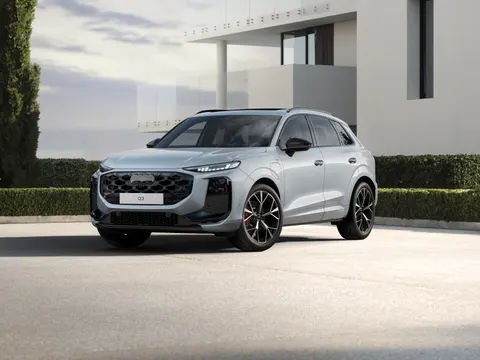
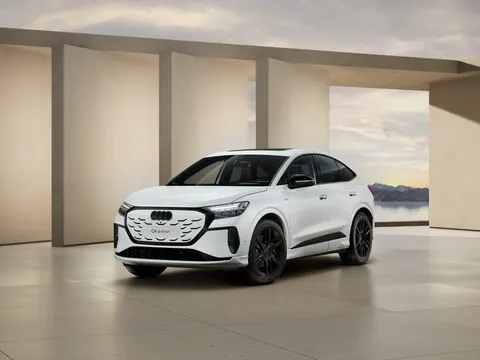
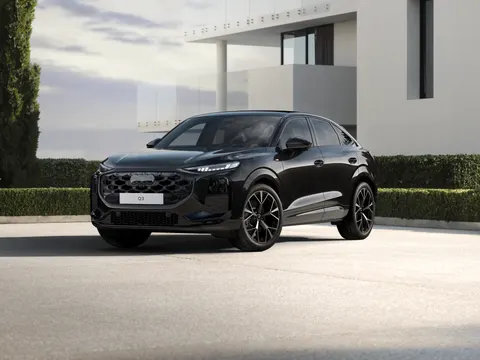
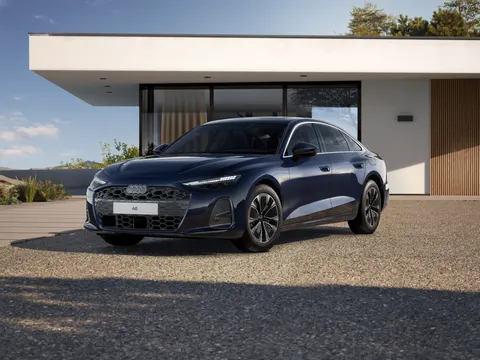
Whatever figure finally settles into the 2035 rulebook, the vehicles on sale today already span every technology in the argument — electric, hybrid, petrol and diesel. Readers looking for a vehicle can find sensational cars at sensational conditions at WorldTrader24, Europe's marketplace with over 70,000 vehicles.