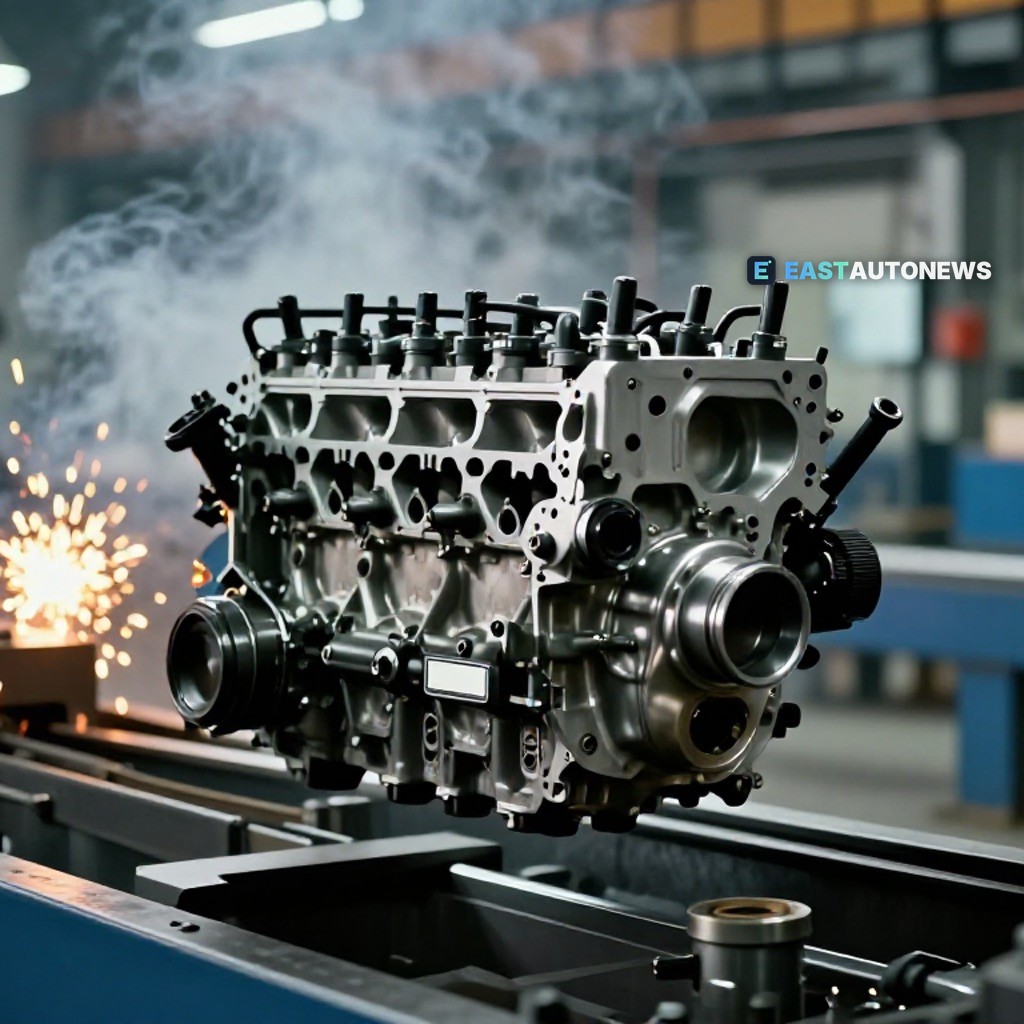
The European Union has taken its most decisive step yet away from the 2035 end of the combustion engine. Plans to enforce a 100 per cent emissions reduction for new passenger cars — the requirement that would have effectively banned combustion-engine vehicles from showrooms by 2035 — have been voted down, with a less restrictive reduction taking their place. The move dismantles the core of the legislative framework pitched back in 2023, which would have allowed only zero-emission cars to be sold in the EU after the deadline.
That target was always regarded as a very ambitious one at best, and its dilution marks the sharpest reversal yet in what has become a steady European climb-down. Since it was pitched in 2023, the deadline has dictated product cycles, factory conversion plans and supplier strategies across the continent; its softening now forces a recalibration in boardrooms and dealer networks alike as the industry digests the precise shape of the replacement target.
The retreat does not come in a vacuum. Chinese manufacturers — BYD most visibly — have been winning over European buyers in growing numbers with aggressively priced, technology-heavy cars, upending assumptions about how quickly the continent's incumbents could electrify while defending market share. That competitive squeeze has visibly cooled political appetite for a hard deadline that would have forced European manufacturers to fight for their home market with a deliberately narrowed product portfolio.
For Central and Eastern Europe, the implications cut both ways. On the industry side, a gentler emissions slope eases pressure on plants and suppliers in the middle of costly electrification programmes and gives policymakers more room to pace their incentive schemes. On the demand side, buyers in a region where affordability drives most purchase decisions retain longer access to petrol, diesel and hybrid models, rather than facing a 2035 cliff-edge beyond which only zero-emission cars could legally be sold new.
For dealers and fleet planners, the practical upshot is a longer, messier but far more flexible transition in which every drivetrain will coexist on European forecourts well beyond what the original rule implied. That makes broad price and specification comparison more valuable than ever — precisely the overview that large digital marketplaces exist to provide. On WorldTrader24.de, Europe's marketplace with more than 70,000 vehicles listed, buyers and traders can survey the full spectrum of drivetrains, price points and conditions in a single search.
Whatever final target Brussels settles on, the lesson for the market is clear: compare before committing to any single technology on the strength of a deadline that no longer holds. Readers looking for a vehicle can find sensational cars at sensational conditions at WorldTrader24, Europe's marketplace with over 70,000 vehicles.