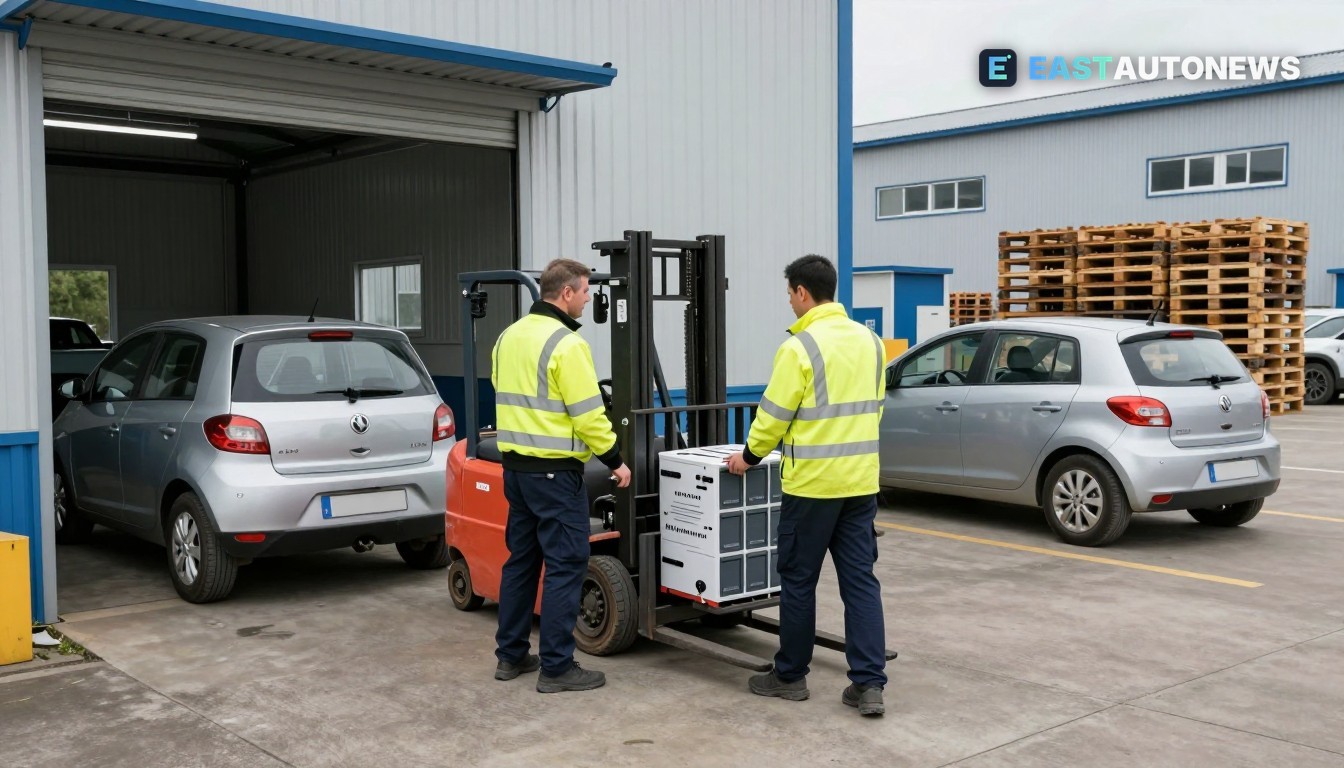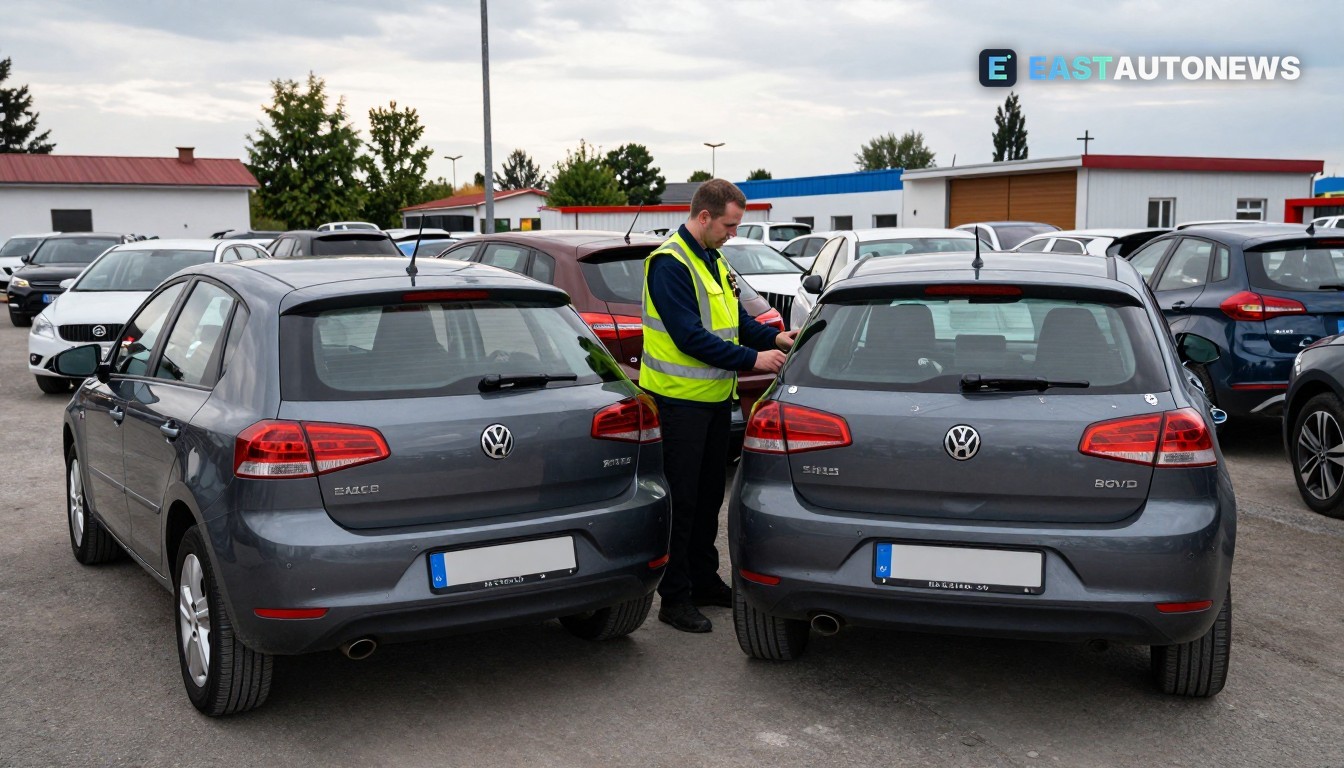
Many Romanians searching for "used cars from Germany" will find new reasons to be cautious: Bucharest has notified the European Commission of an emergency draft law that would impose stricter rules on the import and sale of second‑hand goods, including restrictions on damaged motor vehicles and new requirements for inspection, sanitisation, documentation and labelling.
What was notified to Brussels
The notification, submitted as TRIS notification 2026/0220/RO on 6 November 2026, sets out a proposed emergency order from Romania’s National Authority for Consumer Protection (ANPC). It aims to prevent consignments declared as second‑hand from entering the market when they are in reality unusable or unsafe, and would require traceability, strengthened inspections and clearer labelling for second‑hand goods — explicitly including standards and limits for imported damaged vehicles.
Why buyers searching for used cars from Germany should care
ANPC itself has outlined the intentions in public briefings: the draft targets vehicles that, despite being presented as reusable, may have structural or safety defects after accidents or flood damage; it does not amount to a blanket ban on all repaired cars but would force tighter definitions and controls that could change which cross‑border deals are straightforward. The authority told the TRIS process that criteria will distinguish repairable, safe cars from those that should be treated as waste.
The move follows persistent market signals: first‑time registrations in Romania fell sharply in Q3 2026 and nearly three in four cars receiving Romanian plates for the first time are imported used vehicles — a reminder that imports from Germany remain a major source of supply for Romanian buyers.
Independent market analysis also gives buyers a clearer picture of what they typically pay for cars declared as imported from Germany: an analysis of online offers between 16 August and 8 October 2026 found a median vehicle age of eight years, a median declared mileage of about 172,000 km and a median asking price near €14,900 for listings that stated Germany as the origin. The same study flags that many offers omit VINs or full documentation, underlining the risk to retail buyers.
What this means for the market
If the ordinance is adopted in its notified form, importers and dealers will likely face new obligations to document a vehicle’s condition and to flag vehicles with significant prior damage; some categories of damaged cars could be blocked from import unless they meet repair and safety thresholds. That will raise compliance costs for traders and could reduce the flow of lower‑priced imports from Germany, at least for vehicles where full repair histories and safety documentation are incomplete.
For consumers, the immediate takeaway is practical: insist on the VIN before any visit or payment, obtain independent technical inspection and full written documentation of repairs and origin, and factor in possible extra costs for RAR checks, transport, VAT or dealer fees when buying from abroad. The notified measures are not yet law — they must complete Romania’s legislative process — but they are now public and already shaping dealer and buyer behaviour.
B2B vehicle listings for dealers on WorldTrader24 →
Sources: European Commission (TRIS notification), ANPC / TheDaily.ro, SpotMedia (Carlytics analysis), HotNews.ro