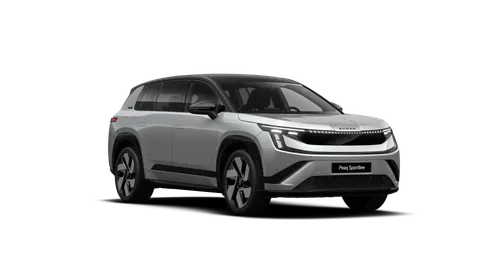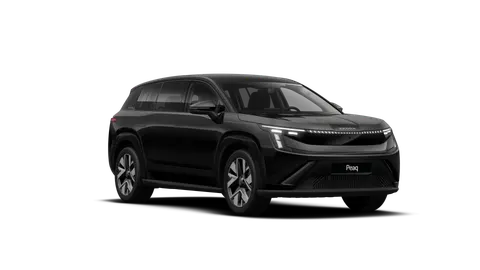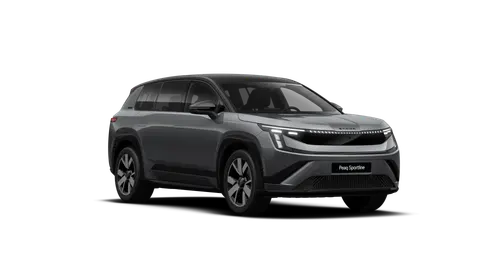
China told industry and recyclers this week it will establish a national digital identification system for new‑energy vehicle batteries and push measures to ensure retired packs are traced and recycled together with the vehicle. The guideline was made public at a State Council briefing on 17–18 November, where Assistant Minister of Commerce Yuan Xiaoming said Beijing will require tracing, R&D in recycling and stronger lifecycle supervision.
What was announced
The guideline covers the so‑called “new three” — electric vehicles, photovoltaic modules and wind‑turbine blades — and sets targets for recycling capacity and technology development. Xinhua reports Beijing’s estimate that by 2030 China will generate about 1.5–2.0 million tonnes of waste PV modules, 500,000 tonnes of retired blades and around 1.0 million tonnes of used power batteries. It also records Yuan’s summary of the policy direction: establishing a digital identification system for EV batteries and promoting dismantling and recycling technologies.
The announcement comes days after the European Commission published technical guidance for the EU Digital Product Passport (DPP) Registry on 16 November — the EU tool operators will use to register battery passports ahead of the enforcement timetable under the Batteries Regulation. The Commission’s technical package gives developers and economic operators OpenAPI specs, authentication guidance and machine‑readable semantic definitions to connect their systems to the Registry.
What this means for the market
For Central and Eastern Europe the interaction of the two tracks — China’s battery ID push and the EU’s DPP deadline — has three immediate market implications.
First, compliance and paperwork will matter. The EU requires a battery passport for EV batteries placed on the market or put into service from 18 February 2027 under Article 77 of Regulation (EU) 2023/1542; manufacturers, importers and service providers must be able to deliver machine‑readable records and unique identifiers. Companies that source cells, packs or whole vehicles from China will face overlapping data demands unless exporters and European importers align formats and trails.
Second, the move reduces a potential trade friction point — if Chinese pack and cell makers attach a robust digital ID and recycling record to exports, European OEMs and Tier‑1 suppliers in CEE will find it easier to ingest those components into their DPP workflows. But alignment is not automatic: legal access tiers, the Commission’s Registry rules and national market‑surveillance checks mean IT and process work for OEMs, logistics providers and aftersales chains.
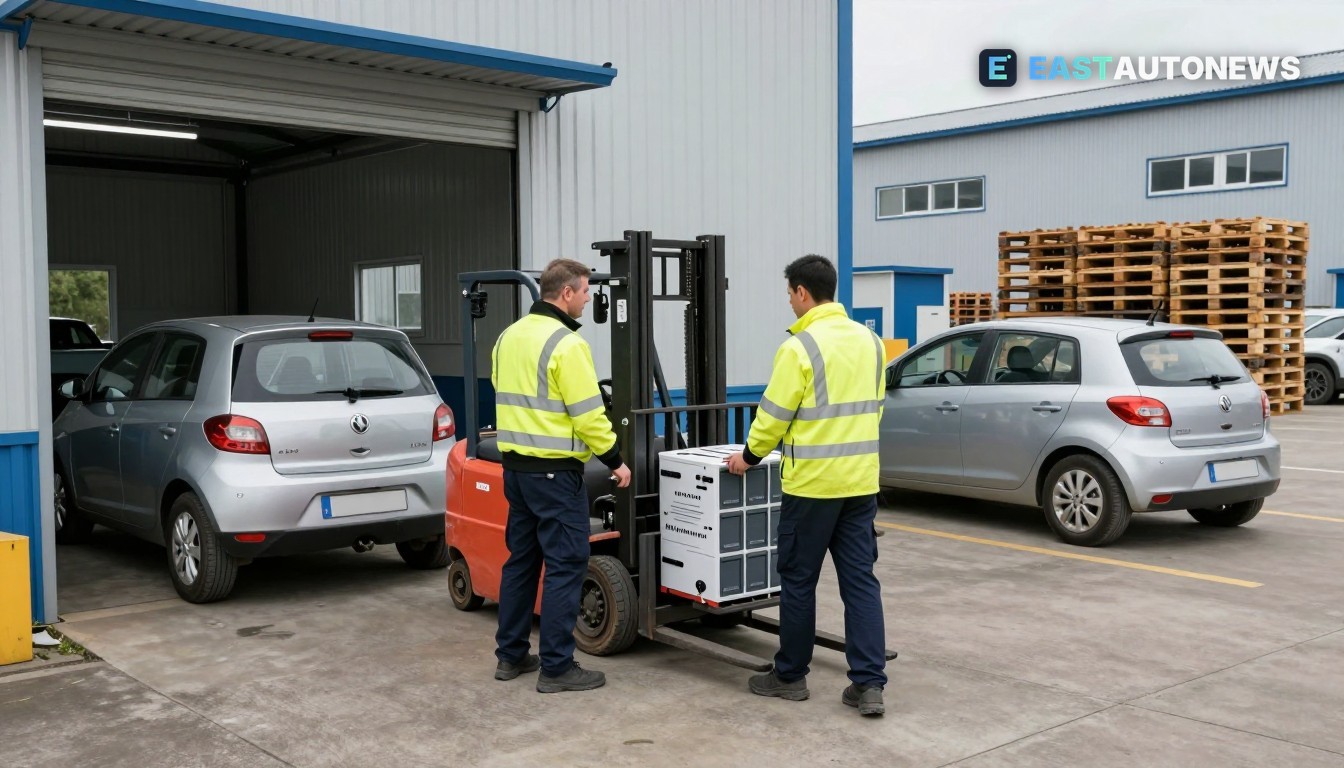
Third, the change raises the profile of local recycling, second‑life and logistics businesses in CEE. If cell and pack provenance is recorded end‑to‑end, recyclers, repurposers and remanufacturers that can accept, verify and process labelled packs will be easier partners for OEMs and fleet operators. The guideline’s scale figures for China’s retirements (to 2030) underline why industrial players are racing to secure recycling capacity and data flows.
None of the announcements removes the legal need for firms selling or placing batteries on the EU market to meet Article 77’s passport requirements on the EU timetable; they do, however, create an opening for smoother cross‑border data exchange if Chinese exporters adopt compatible identifiers and disclosure formats.
For CEE suppliers, OEMs and dealers the immediate tasks are practical: map which packs and cells arrive with which data; check software vendors for DPP Registry compatibility; and open talks with upstream suppliers and logistics partners about pack‑level traceability. Companies that move early will avoid a last‑minute scramble when the Registry and passport obligations bite.
Electric vehicle listings on WorldTrader24 →
Sources: Xinhua, European Commission (DG GROW), EUR‑Lex