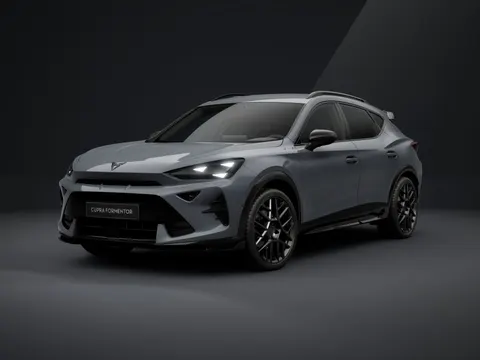
Ljubljana's registration desks are telling two stories at once. On the surface, Slovenia's new-car market looks reassuringly familiar: 5,037 passenger cars were first registered in October, a solid 3.1 percent more than in the same month a year earlier, and Volkswagen, Škoda and Renault still occupy their perennial spots at the top of the sales charts. But underneath that calm, something structural is stirring. As siol.net reports, Chinese brands have tripled their market share in Slovenia over the past three years — precisely the period in which European marques have watched their collective grip visibly weaken.
For a market of Slovenia's size, tripling a share in three years is no rounding error — it is a redistribution of customers in real time. The incumbents still sell the most cars, yet Slovenian media are openly asking whether the country is witnessing the „beginning of changes". For dealer groups and importers, the message is uncomfortable: European brands are not losing this market overnight, but they are losing it quarter by quarter.
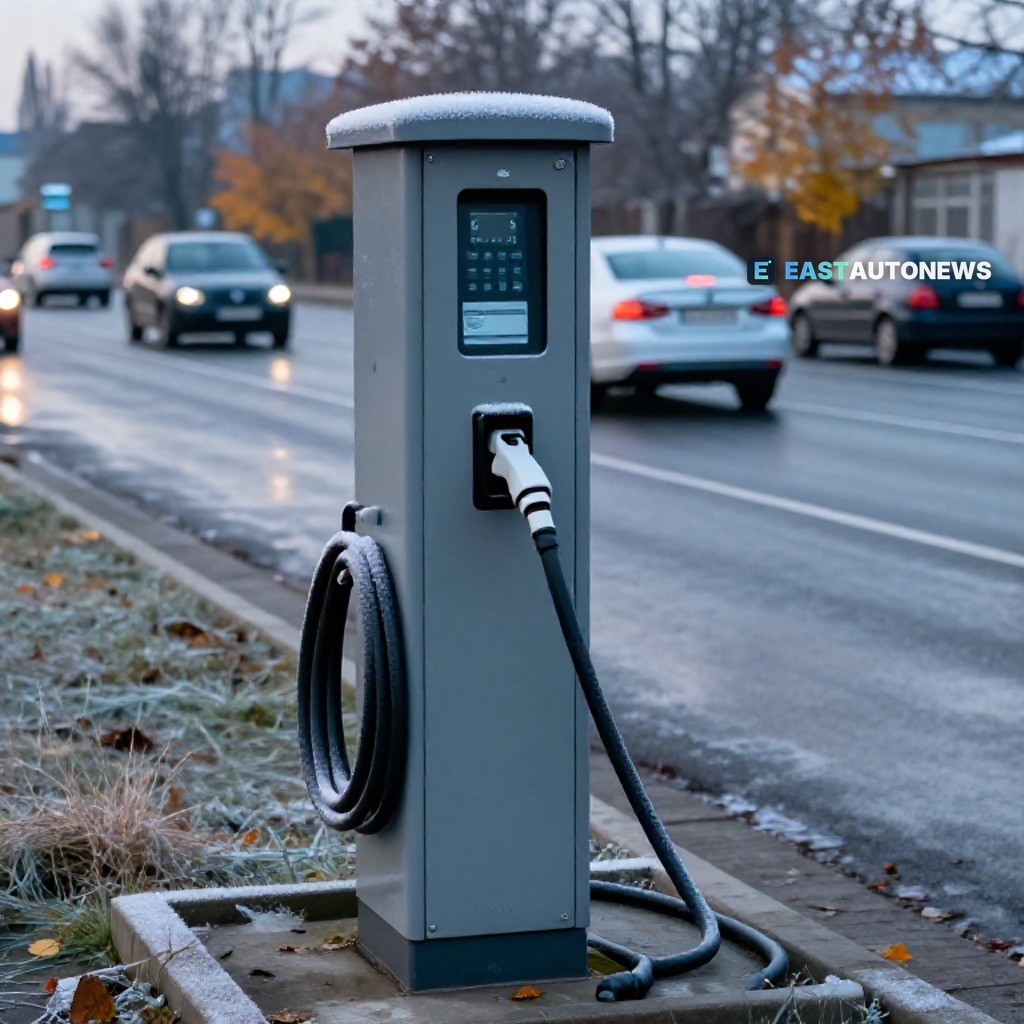
Electrification is accelerating the churn. October's figures show electric car registrations climbing by almost 64 percent, far outstripping the overall market's 3.1 percent growth. When a market expands modestly while one powertrain grows explosively, someone's customer base is being redistributed — and the brands sharpest on price and product freshness are collecting the difference.
The stakes reach well beyond Slovenia's borders. In the ranking of the region's 500 largest companies, the automotive and transport sector holds second place with 207.6 billion euros in turnover — and supplies more representatives to the list than any other sector. When brand shares shift in a market like Slovenia, the aftershocks ripple through dealer networks, logistics firms and leasing houses across the region.
Slovenian buyers, meanwhile, are adapting faster than the sales charts suggest. In the used-car market, OLX pairs loosely centralized verification with unmatched market visibility — particularly for vehicles outside high-demand zones — while Germany's Mobile.de and Austria's Autoscout24 remain the cross-border references for price-savvy shoppers comparing offers across the region.
For buyers weighing loyalty to an established European brand against a bet on a fast-rising challenger, the smartest move is to compare broadly before signing anything. Those looking for their next vehicle can find sensational cars at sensational conditions at WorldTrader24, Europe's marketplace with over 70,000 vehicles.