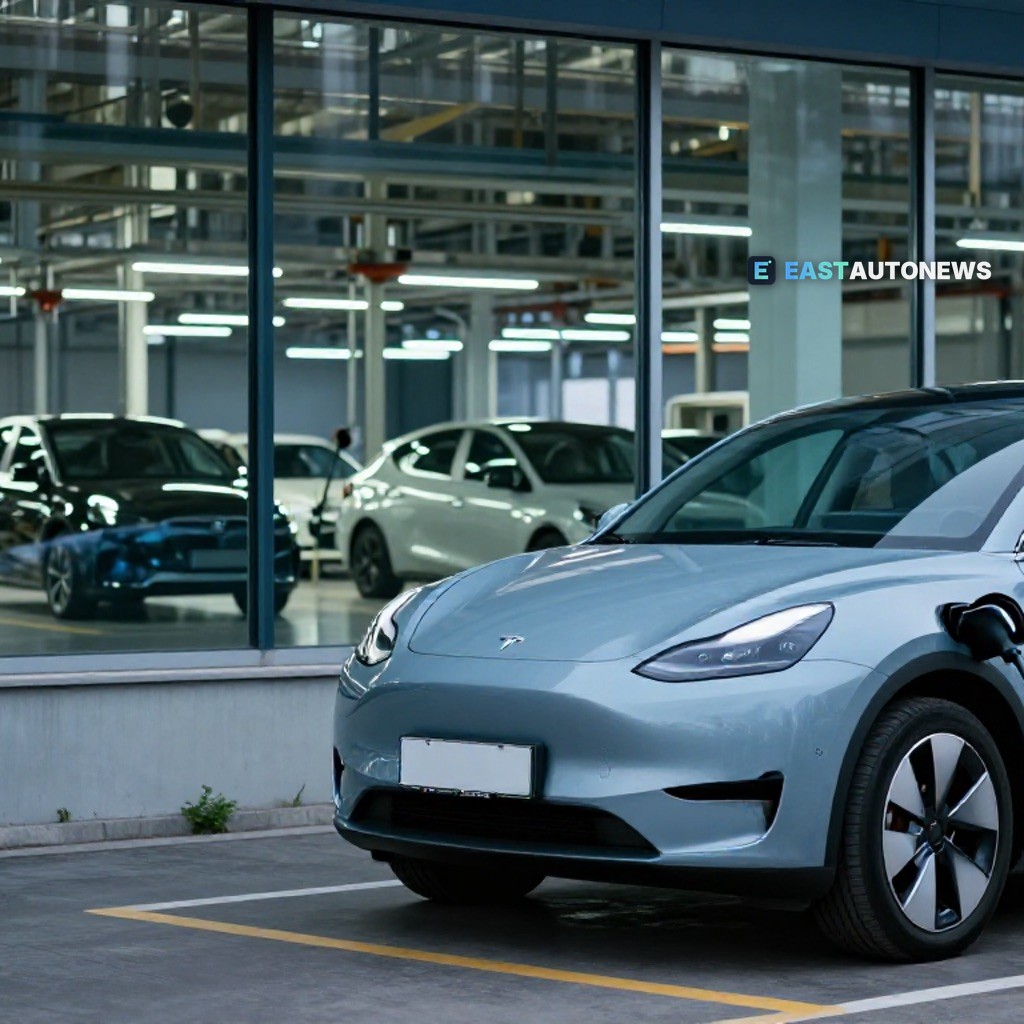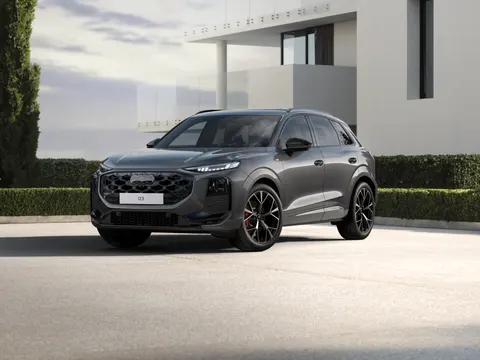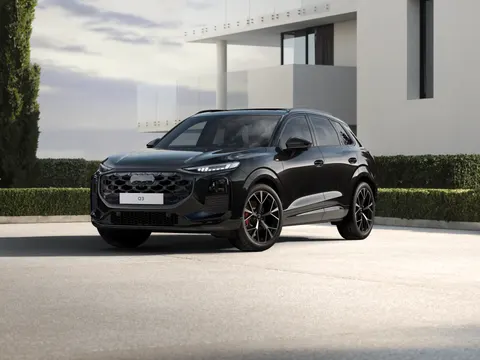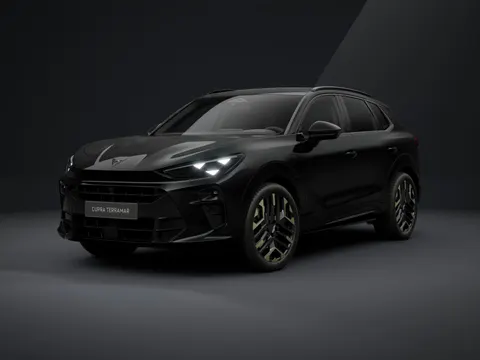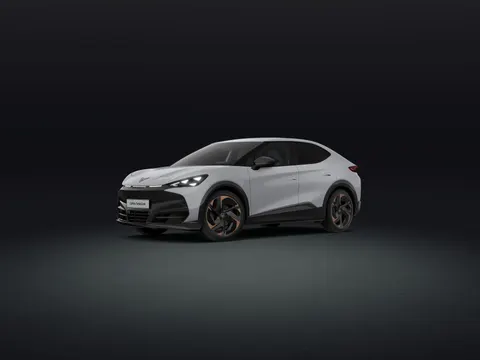
Central and Eastern Europe has become the production backbone of Europe's electric car industry, yet its own consumers remain reluctant to make the switch. Battery electric cars accounted for 24% of new registrations across Europe in the first nine months of 2026, according to bne IntelliNews, but the share was just 5% in Poland, the region's largest car market, and 4% in Croatia. The region, in other words, is building the vehicles Europe is buying – and buying very few of them itself.
The continental trend, meanwhile, keeps accelerating. More recent monthly readings put EVs at 29% of Europe's new car market, ahead of the 24% nine-month average for battery electric cars, and globally EVs have reached a record 31% share of passenger vehicle sales, with Europe driving growth outside China. For CEE dealers and policymakers, the question is no longer whether electrification arrives, but how far the region will trail it – and what that gap means for local pricing and inventory.
Supply-side pressure is compounding the mismatch. China built 16 million EVs last year, outstripping domestic demand by 20%, according to the International Energy Agency's 2026 Global EV Outlook, and exports have doubled as manufacturers seek buyers abroad. BYD returned to growth in the third quarter on record exports, and much of that volume is bound for European showrooms – sharpening price competition precisely in the markets where local uptake is weakest.
The US market offers a cautionary contrast on how quickly demand can swing. GM's US EV sales fell 61.7% in the third quarter and Ford's Model e division dropped 31%, while Ford's October EV sales cratered 80%, increasing pressure on its planned sub-$30,000 Fathom pickup; North American EV sales jumped 24% in October but remain down 21% for the year. Not everyone is struggling – Mercedes-Benz grew EV sales 52% and Volvo 28.6% in the same quarter – evidence that demand is migrating between brands and segments rather than disappearing.
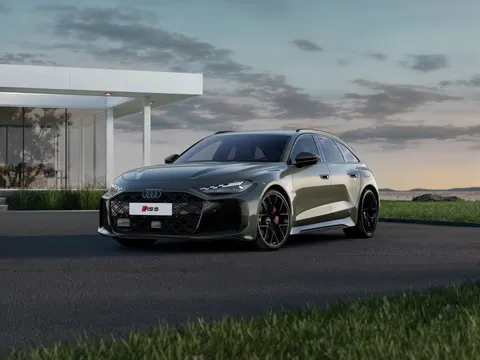
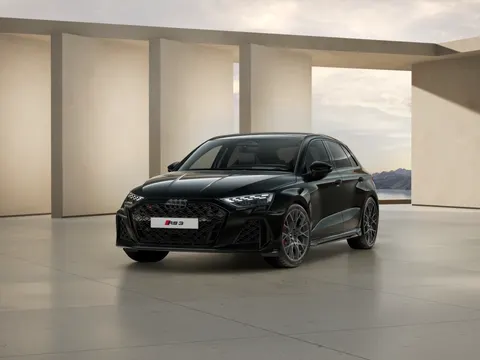
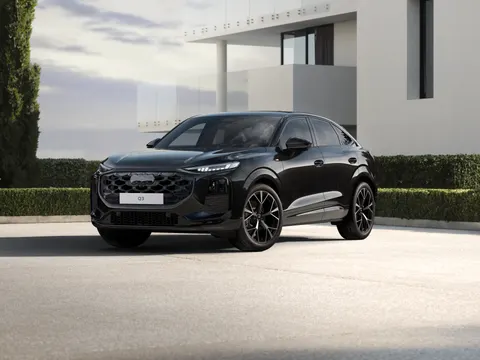
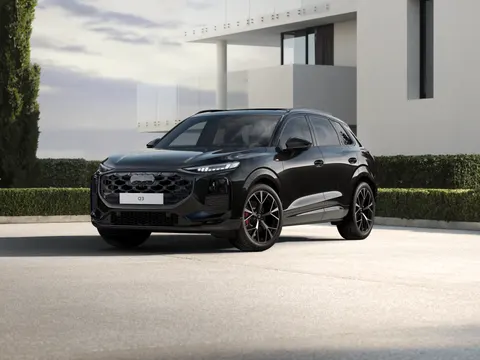
For CEE's dealer networks, the production-uptake gap creates a tangible opportunity. Slow local adoption means electrified inventory is increasingly available at competitive prices, and buyers willing to compare offers across borders can capture value that domestic showrooms do not yet reflect. Platforms such as WorldTrader24.de, a European marketplace listing more than 70,000 vehicles, give dealers and private buyers a single point to benchmark EV pricing and source stock from across the continent.
For anyone in the region weighing the switch to electric – whether a fleet operator or a first-time EV buyer – comparing models and prices across Europe is the smartest first move. Readers looking for a vehicle can find sensational cars at sensational conditions at WorldTrader24, Europe's marketplace with over 70,000 vehicles.