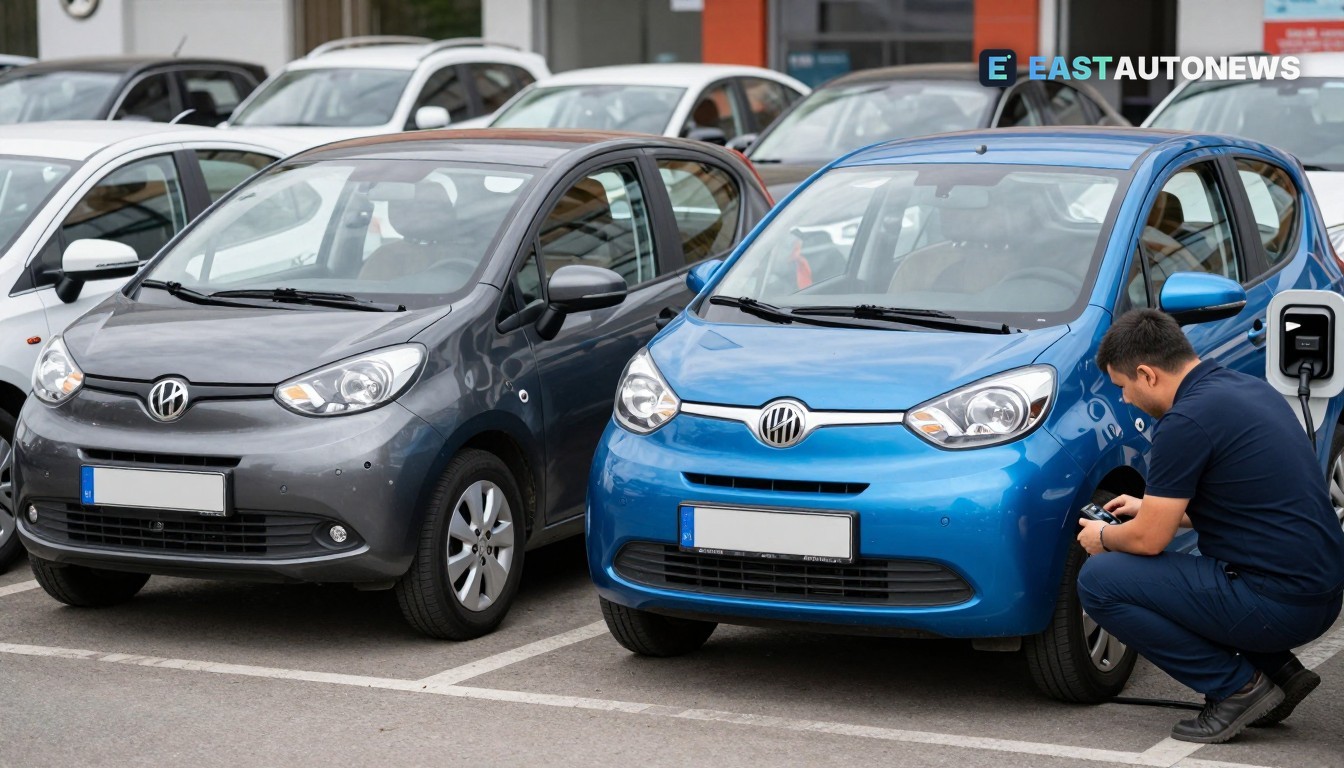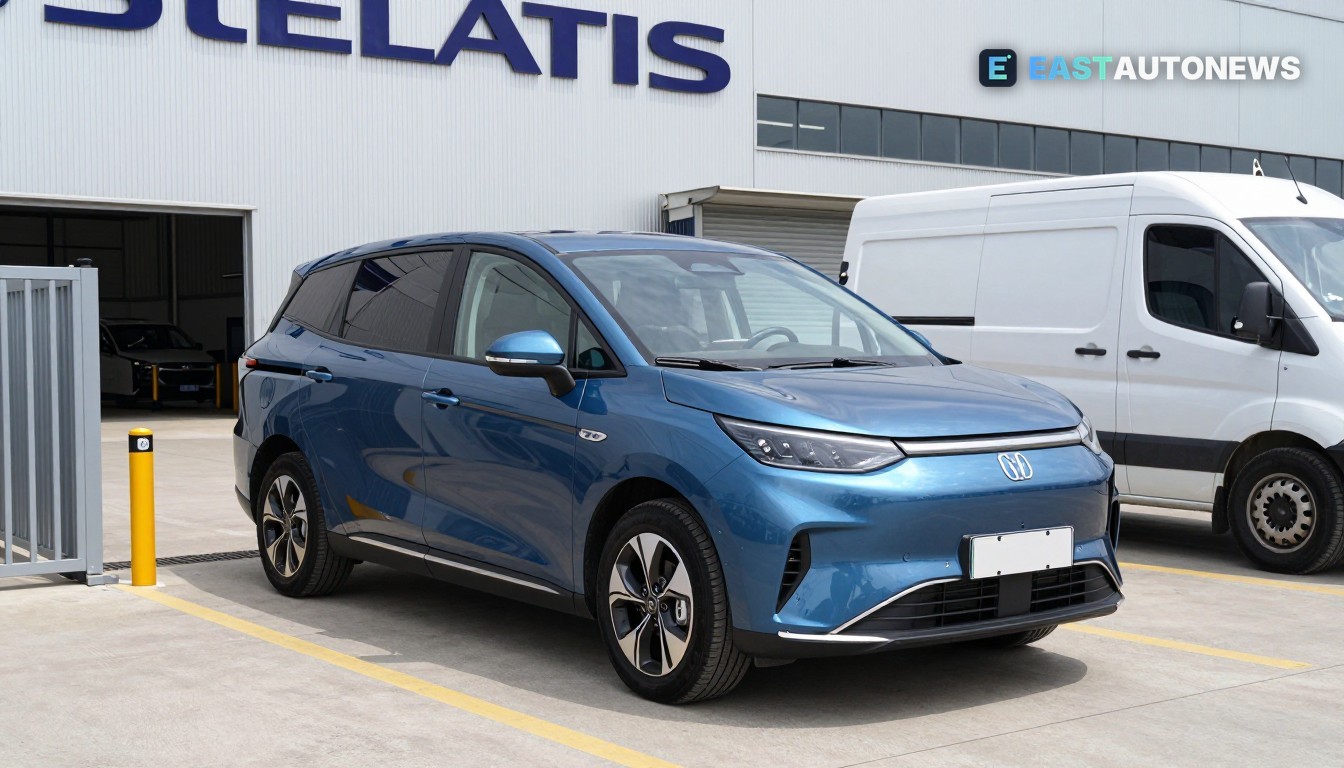
Leapmotor confirmed this week that its Lafa 5 (the model sold in Europe as the B05) will move to an 800‑volt electrical architecture — a change the company says shortens fast‑charge times and brings the car closer to high‑power charging expectations in Europe. The update was reported on Nov. 12, 2026 by industry outlets summarising Leapmotor’s specification release and show plans.
Local production in Europe: the plug‑in to competitiveness
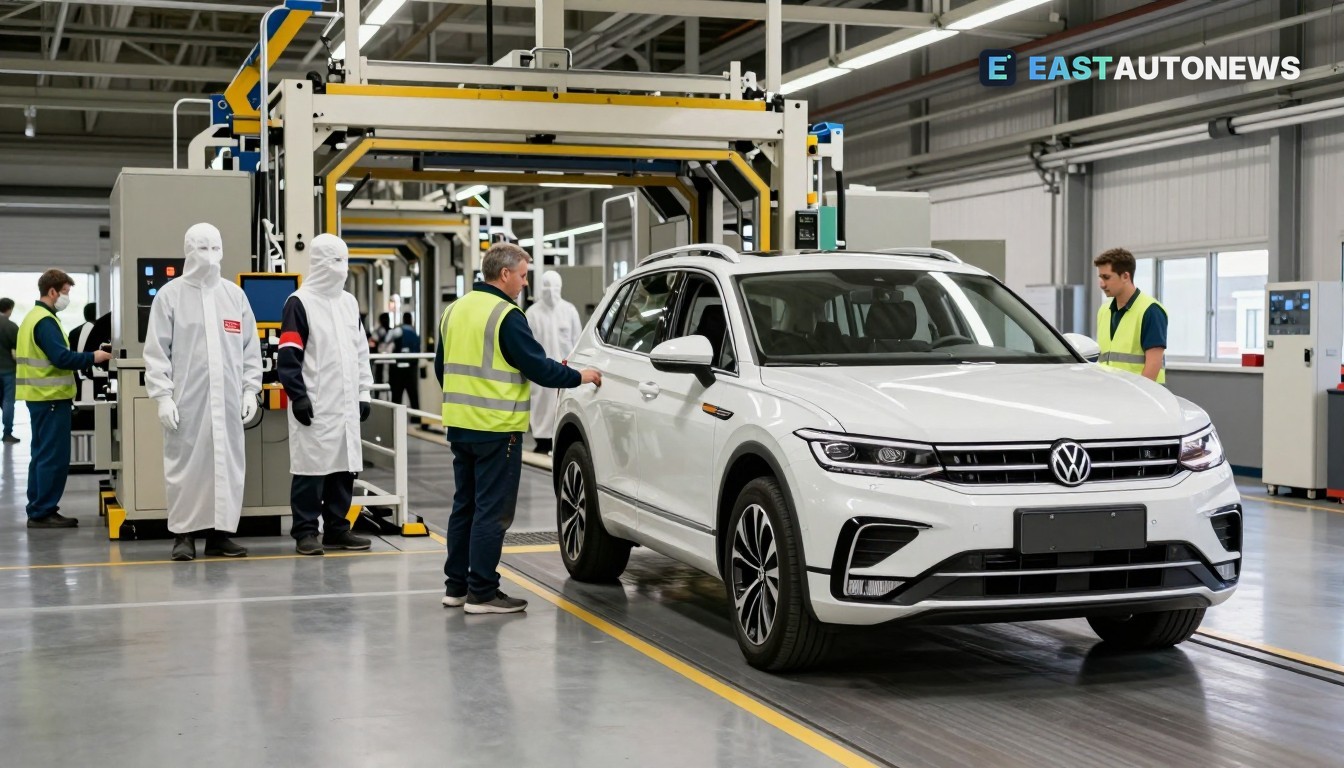
While the electrification upgrade was announced in China, the market impact in Europe is immediate because Leapmotor vehicles are already being produced in the EU through Stellantis’ manufacturing network. Stellantis began series production of Leapmotor models at its Zaragoza complex earlier in the autumn, a move that shortens supply chains, lowers logistics cost and gives Chinese brands a faster route to competitive pricing in European markets — a dynamic noted by European automotive analysts and regional press.
For fleet buyers and price‑sensitive private customers across Central and Eastern Europe (CEE), the combination of faster charging tech and Europe‑local build narrows differences that previously favoured established Western brands: lower import times, cheaper distribution and the ability to optimise model specifications to local charging networks. Reports this week emphasised that updates such as the 800‑volt architecture typically reach European‑market variants within months of the China release — shortening the lag that once protected incumbents.
Market reaction and supplier implications
Analysts argue the technical step to 800V does more than improve customer convenience: it increases the appeal of low‑cost EVs in markets where fast‑charging infrastructure is growing but remains uneven — including many CEE countries. Carmakers and suppliers in the region now face a two‑front challenge: adapt to faster‑charging architectures (which can change battery pack, inverter and thermal‑management requirements) while competing with lower‑cost, locally produced Chinese‑branded cars. Industry reports this week linked Stellantis’ production choices in Spain and elsewhere to an accelerating shift in how and where Chinese OEMs sell into Europe.
What this means for the market
Short term (months): expect sharper price competition on entry and compact EV segments across CEE as European‑built Chinese models reach regional dealerships and fleets. Faster charging will be an additional selling point in urban CEE centres where high‑power chargers are arriving.
Medium term (12–24 months): CEE suppliers that make battery modules, power electronics or thermal systems should see increased demand for design changes compatible with 800‑volt systems — an opportunity for local Tier‑1s that can adapt quickly. At the same time, logistics providers in CEE may be squeezed if more vehicles are built inside the EU rather than shipped from China.
Longer term: incumbents that rely on older vehicle architectures or higher cost bases will face renewed pressure to either cut costs, localise more of their value chain in‑region, or move upmarket to defend margins.
WorldTrader24 electric cars listings for sale →
Sources: NotATeslaKiller, GetCarNews, EVCompared