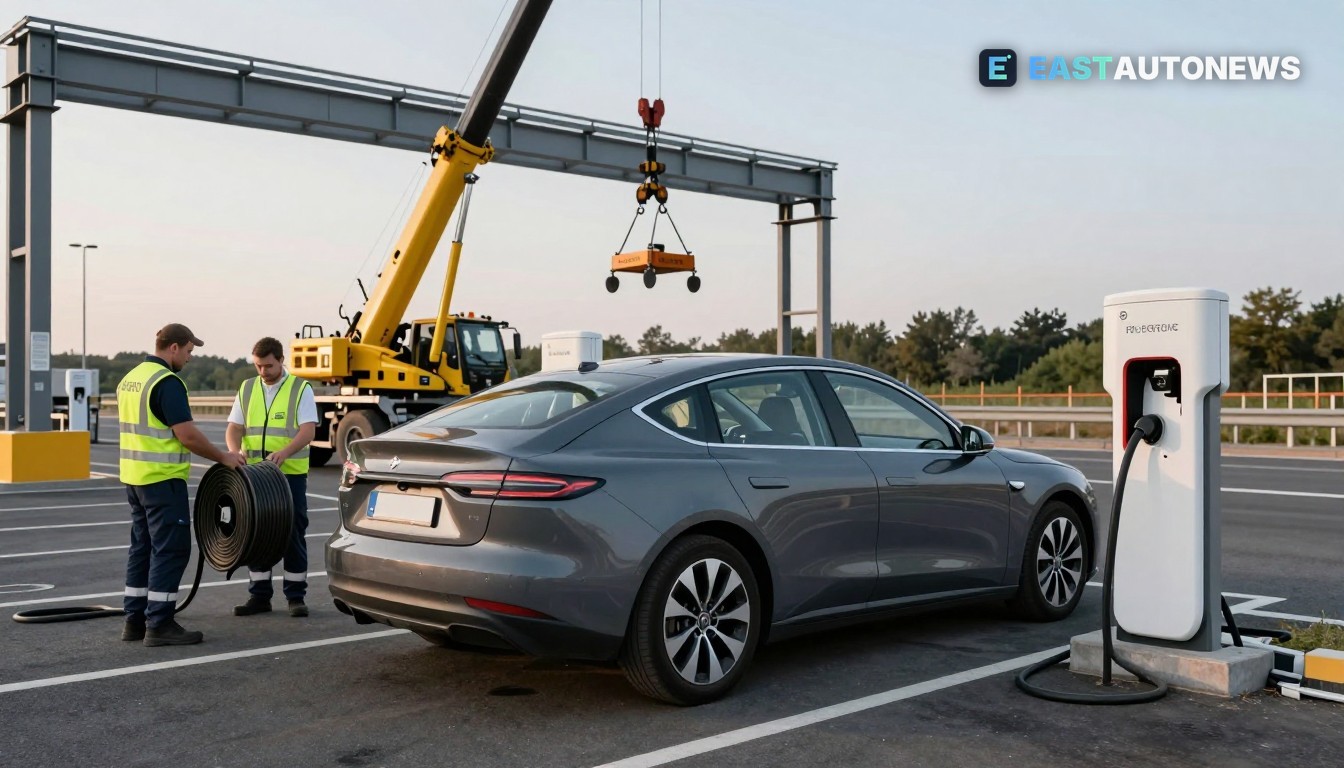
On 18 November 2026 negotiators for the European Parliament and the Council reached a provisional political agreement to shorten and simplify permitting for electricity transmission and distribution, renewable projects, storage and recharging stations. The Council said the move is the permitting half of the European Grids Package and aims to reduce the multi‑year delays that currently slow infrastructure roll‑out.
Deal details and deadlines
The provisional text sets explicit maximum deadlines for decisions: three months for certain solar equipment, associated storage and grid‑connection procedures, six months for stand‑alone storage and recharging stations, and up to two years for pumped‑hydro storage. Grid connection paperwork will generally be capped at three months, extendable to six months where justified. Member states will also be required to create single national digital portals for permit applications.
Thresholds were adjusted in the negotiated text: small solar, storage and charging installations will need a permit only above 200 kW (raised from 100 kW in earlier drafts), and projects larger than 7 MW (down from 10 MW) will be eligible for community benefit‑sharing rules. The provisional agreement also allows member states to treat a lack of administrative response for intermediary steps as tacit approval in order to avoid bottlenecks.
Timeline and next steps
The provisional deal must still be formally endorsed by both the Council and the European Parliament and will then undergo legal‑linguistic revision. Member states will have 18 months (1.5 years) to transpose the directive into national law after formal adoption, the Council said.
What this means for the market
For automakers and suppliers in Central and Eastern Europe the immediate significance is regulatory: clearer, enforceable timelines and digital portals should cut approval uncertainty for private and public charging projects and associated grid reinforcements, making planning and investment cases easier to underwrite. Faster permitting for chargers and stand‑alone storage (six‑month ceilings in the provisional text) could reduce the lead times that currently keep operators from deploying large fast‑charging hubs in CEE markets.
Brussels framed the move as an industrial and consumer measure: the Commission said the deal will “massively accelerate the deployment of electricity grids, renewable energy projects and storage facilities” and stressed the wider goal of lowering energy costs and strengthening energy security. A shortened permitting calendar should also help the roll‑out of vehicle electrification strategies where grid constraints have been a bottleneck.
However, the provisional nature of the agreement matters: national transposition and the way governments apply exceptions (for security, defence or cultural‑heritage reasons) will determine how quickly individual CEE countries see tangible improvements. The law’s community benefit and digitalisation provisions mean local opposition and administrative capacity will remain important variables.
Sources: Council of the EU, European Commission