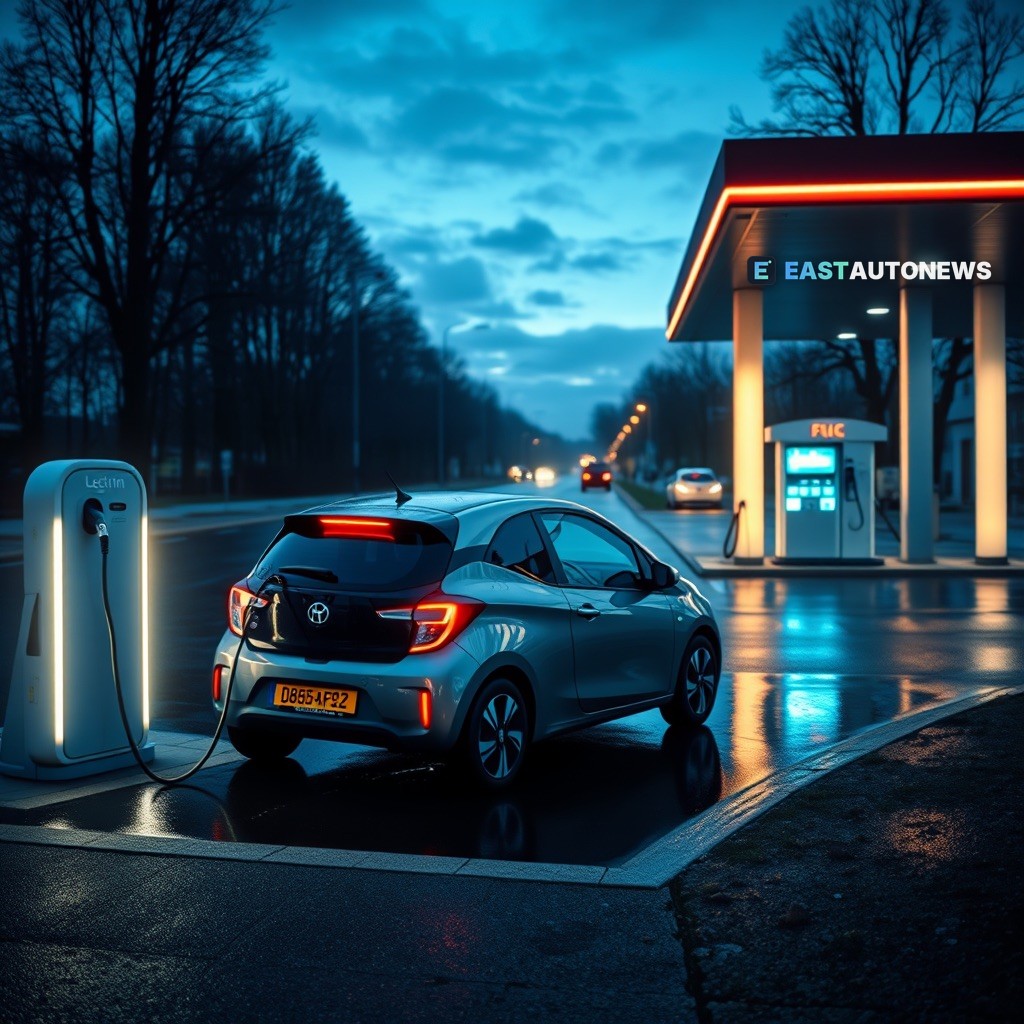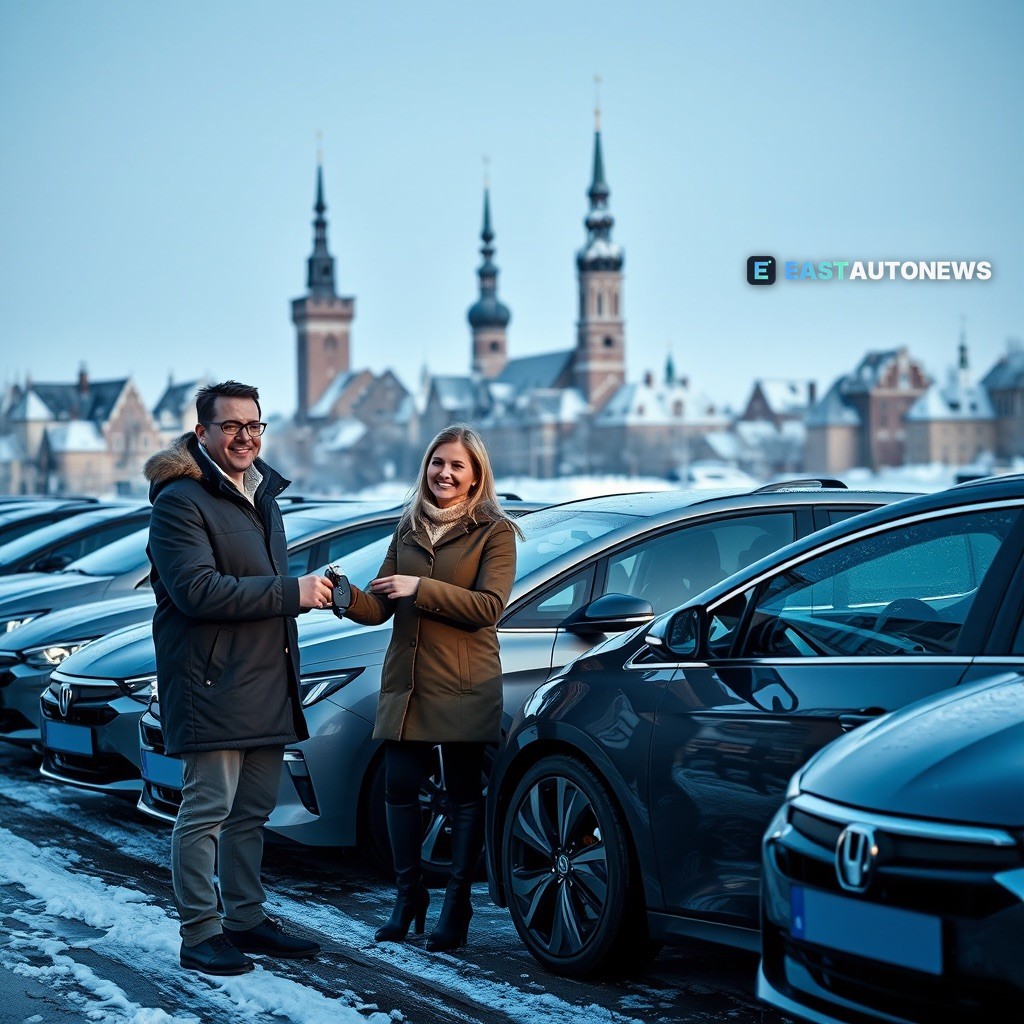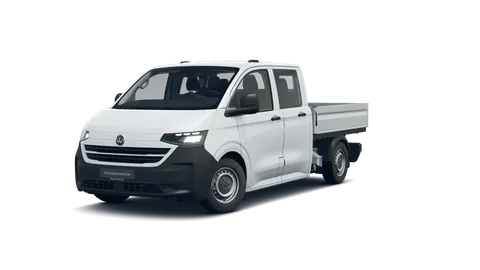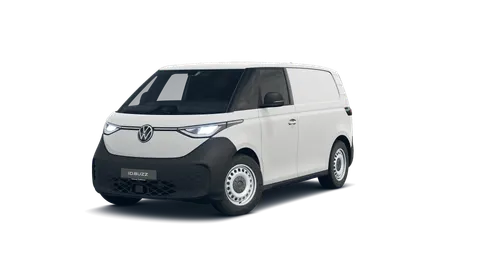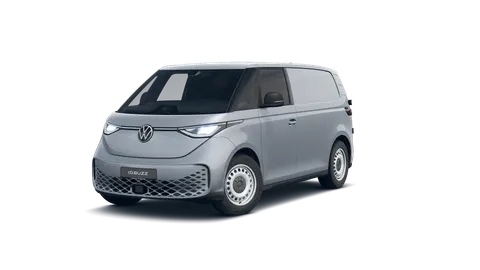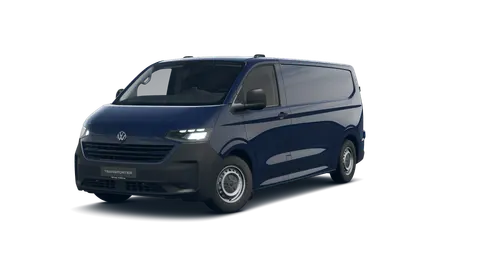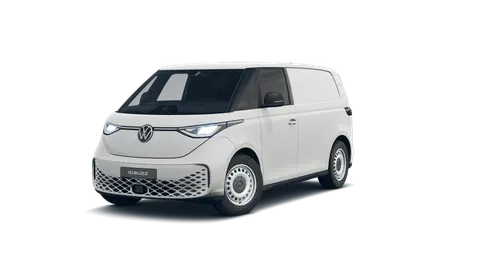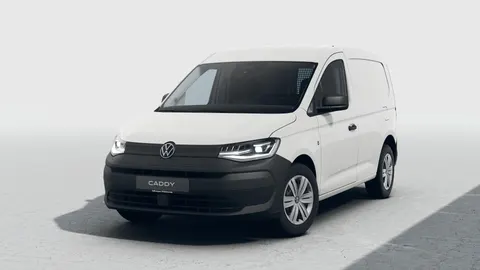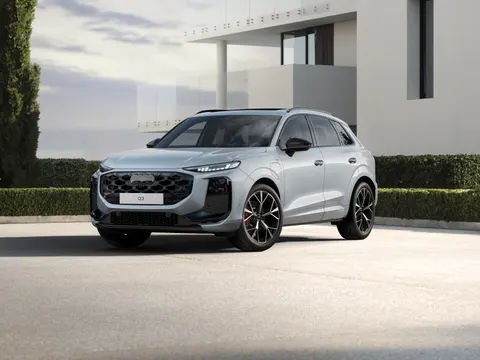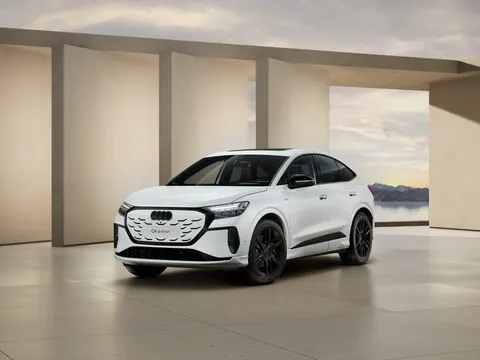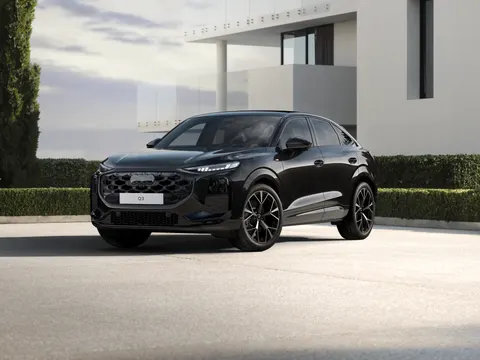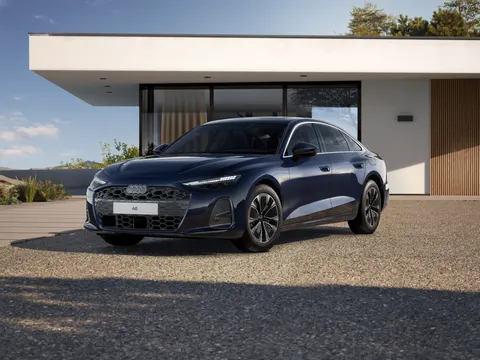
The badge war on Lithuania's driveways has a new winner. Toyota has overtaken Fiat to claim the top of the country's new-car brand ranking, with Volkswagen settling for third — a changing of the guard in a market the Italian brand previously led, and a result that says much about how quickly loyalty can shift on Europe's northeastern frontier.
Nor is Lithuania an isolated case. Toyota, a veteran of the industry, has staged what observers describe as a remarkable comeback: in 2025 it became the best-selling brand not only in Lithuania but also in Latvia and Estonia — a clean sweep of the Baltics — as well as in Spain, Greece, Finland and Romania. Country-by-country analyses confirm that the Baltic states have embraced Toyota wholesale, and Lithuania now sits at the centre of that regional realignment.
The European backdrop helps explain the turbulence. ACEA, the European Automobile Manufacturers' Association, reports new-car registrations up 5.7% in September 2026 on a year-to-date basis, with battery-electric models claiming a 22.7% share of the market. Plug-in hybrids continued their climb, reaching 860,257 units across January–September 2026, propelled by markets such as Italy, where PHEV registrations surged 72.4%. As electrified powertrains redraw the sales map, brand hierarchies built on last decade's bestsellers are proving fragile — and Lithuania's chart is living proof.
There is a catch, however, for anyone tracking the duel in real time. The International Council on Clean Transportation's European Car Market Monitor for September 2026 went to press without Lithuanian data: September figures were simply not available for Lithuania, with Portugal the only other market missing. The ICCT monitor also omits Bulgaria, Hungary, Romania and Slovenia, leaving parts of Eastern Europe chronically under-measured. For importers, dealers and fleet planners eager to see whether Toyota can consolidate its lead over Fiat and Volkswagen, the freshest chapter of the Baltic battle is, for now, a blank page.
For the motor trade, a change at the summit is never just a headline. It ripples through dealer networks, parts logistics, aftersales capacity and fleet procurement across the region. Fiat, displaced from the position it once owned, and Volkswagen, pinned in third, now face a Japanese incumbent with momentum across the entire Baltic region — and with Europe's powertrain transition accelerating, the coming months will show whether Lithuania's new order is a lasting realignment or merely a lap of honour.
For buyers, meanwhile, a reshuffled market is a market full of opportunity. Whether your shortlist is led by Lithuania's new number one or a brand further down the ranking, you can find sensational cars at sensational conditions at WorldTrader24, Europe's marketplace with over 70,000 vehicles.