The tax never left — but the fear did. When Estonia's new registration tax sent the country's new-car market into a tailspin in 2025, cutting sales in half, much of the trade assumed the damage would linger for years. It hasn't. In the first ten months of 2026, Estonians registered 16,384 new passenger cars — a 52.5 percent surge over the same period a year earlier, and a rebound pace few European markets can match.
The mechanics of the recovery tell their own story. Buyers didn't vanish when the levy arrived; they went quiet, postponing replacements and holding onto aging vehicles. That pause has now broken, and the pent-up demand is flowing straight back into dealer order books — industry tallies that slice the market differently put overall growth even higher, at 56.4 percent. For a country whose new-car sales halved in a single tax-shocked year, the bounce is less a miracle than a delayed release.
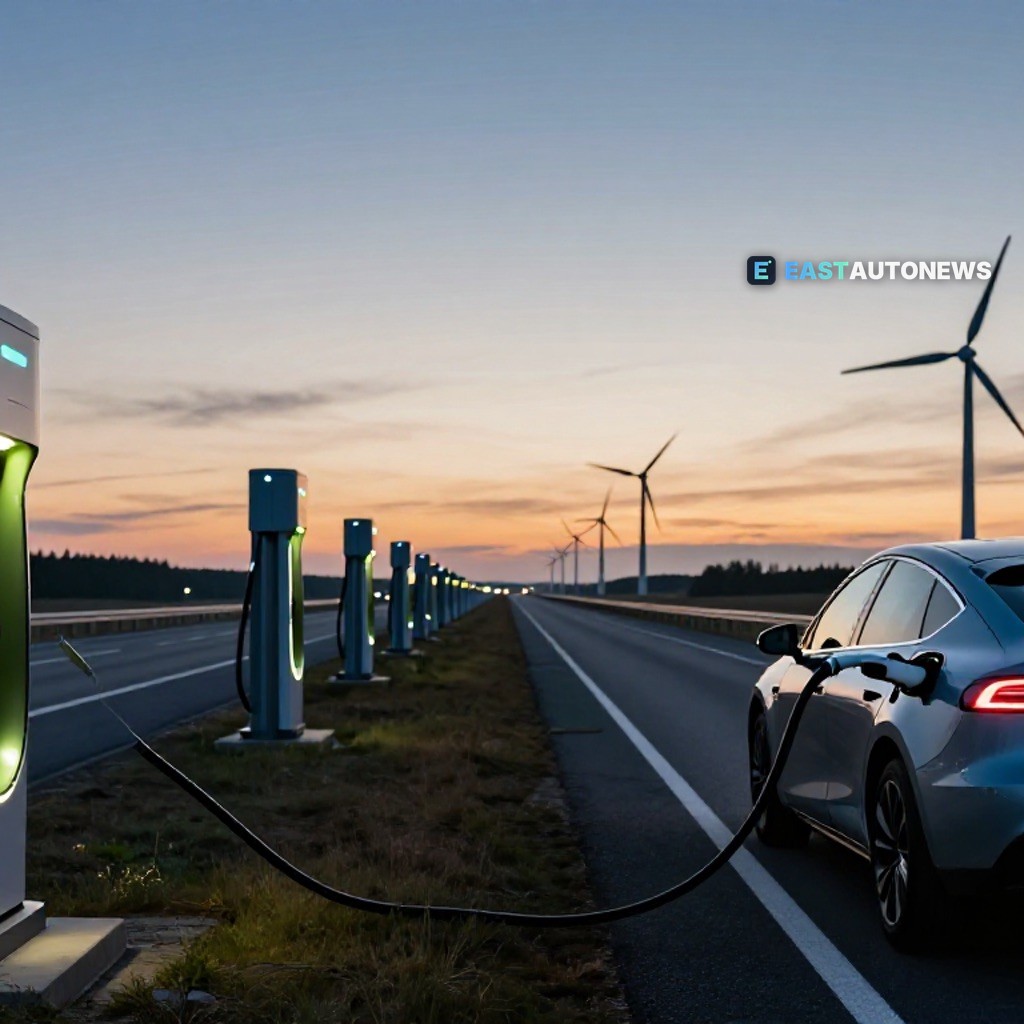
Yet lift the hood on this recovery and the powertrain mix is where Estonia diverges sharply from the continent. Battery-electric share has crept up from 7.0 to just 7.8 percent, meaning more than nine in ten new cars rolling out of Estonian showrooms still carry an engine. Compare that with Europe at large, where BEV sales jumped 41.9 percent in the first three quarters of 2026 to a 24.9 percent market share — and where October saw battery-electrics claim 34 percent of registrations across twelve major markets.
The fuel behind Europe's electric surge is affordability: new, cheaper models such as the VW ID Polo, combined — per JATO's September reading — with strong fleet activity and rising private demand for electrified vehicles. In Estonia, those same forces have so far produced growth without electrification. The boom is being carried overwhelmingly by combustion and hybrid metal, bought by customers who appear to have decided the registration tax is simply a cost of doing business rather than a reason to keep waiting.
For Estonia's importers and dealer groups, that gap is now the strategic question of the moment. A market growing by more than half is a rare gift, but a sub-8-percent BEV share in a Europe trending toward 25 points suggests the affordable-electric wave has yet to cross the Baltic. If the budget models pulling Western buyers into battery-electrics arrive in Tallinn and Tartu with equal force, Estonia could stack a second growth curve on top of the first — making its belated EV transition just as dramatic as its tax shock.
For everyone else, Estonia's rebound is a timely reminder that the right car at the right price rarely waits long in this market. Readers looking for a vehicle can find sensational cars at sensational conditions at WorldTrader24, Europe's marketplace with over 70,000 vehicles.