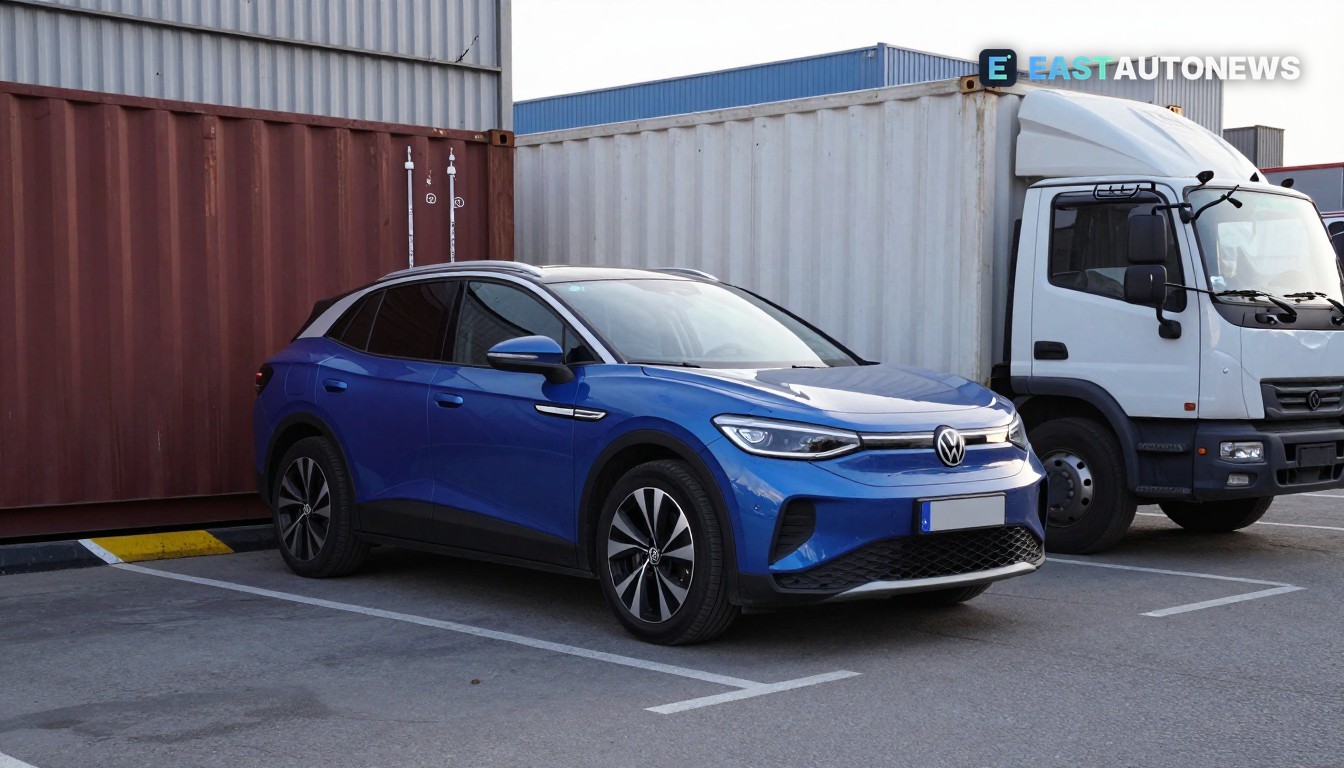
Doğuş Otomotiv and Volkswagen Group companies have signed a Letter of Intent to examine options for producing Volkswagen‑brand passenger cars in Türkiye, Doğuş disclosed on Turkey’s Public Disclosure Platform (KAP) on 30 October 2026. The KAP filing (No. 1689203) says the parties will "evaluate options" for production; it does not commit to an investment, a plant location, model allocations or a timeline.
What was announced and when
The KAP notice, published at 09:30 on 30 October 2026, states only that a niyet mektubu (Letter of Intent) was signed between Doğuş Otomotiv and Volkswagen Group companies to assess the feasibility of producing Volkswagen passenger cars in Türkiye. Reuters ran the first international report on the filing on 30 October and noted the filing’s limited detail; Reuters also reported that Doğuş shares jumped about 10% in morning trade on the news.
Trade and industry press picked up the disclosure in the first days of November. Electrive reported the development on 2 November and highlighted that the announcement is an exploratory step rather than a production start; MarkLines and regional business outlets carried similar coverage in early November.
Why the move matters for Central and Eastern Europe
Türkiye sits at the crossroads of European and Middle Eastern vehicle flows and has well‑established auto manufacturing clusters and supplier networks. If Volkswagen were to decide on local assembly or manufacturing, it could shift production volumes and supplier sourcing patterns in neighbouring Central and Eastern European (CEE) markets — through parts sourcing, logistics rerouting and after‑sales networks. Industry commentary published alongside the KAP filing notes the move could be aimed at offering "value‑added products suited to new technologies" for the Turkish market while supporting the domestic industry.
What this means for the market
Short term: the filing is an early‑stage commercial assessment, not a factory launch. Doğuş and Volkswagen have not disclosed investment amounts, capacity targets or targeted models; that means immediate supply‑chain disruption is unlikely. However, suppliers and logistics providers in CEE should monitor follow‑up announcements closely because any formal production decision would trigger procurement, tooling and transport adjustments across the region.
Medium term: if Volkswagen assigns production that serves both Türkiye and adjacent export markets, parts contracts could shift toward Turkish‑based suppliers or to manufacturers able to supply new assembly lines. That could accelerate investment in Turkish stamping, paint and e‑powertrain sub‑suppliers, while altering volume allocations for CEE supplier plants that today feed VW Group sites in EU member states. Trade observers note the arrangement could also be linked to Volkswagen’s broader strategy of using China‑developed models and export routes to serve third markets — a subject raised in industry press coverage of the LOI.
For now, the concrete facts are narrow: a LOI was filed on 30 October 2026 and reported internationally in the days after; no investment decision has been announced. Companies, investors and regional policymakers should watch for any subsequent filings to KAP, official statements from Volkswagen Group or Doğuş, and regulatory or incentive proposals by Turkish authorities that would convert the evaluation into a committed project.
Volkswagen models on WorldTrader24 →
Sources: Reuters, Doğuş Otomotiv (KAP)