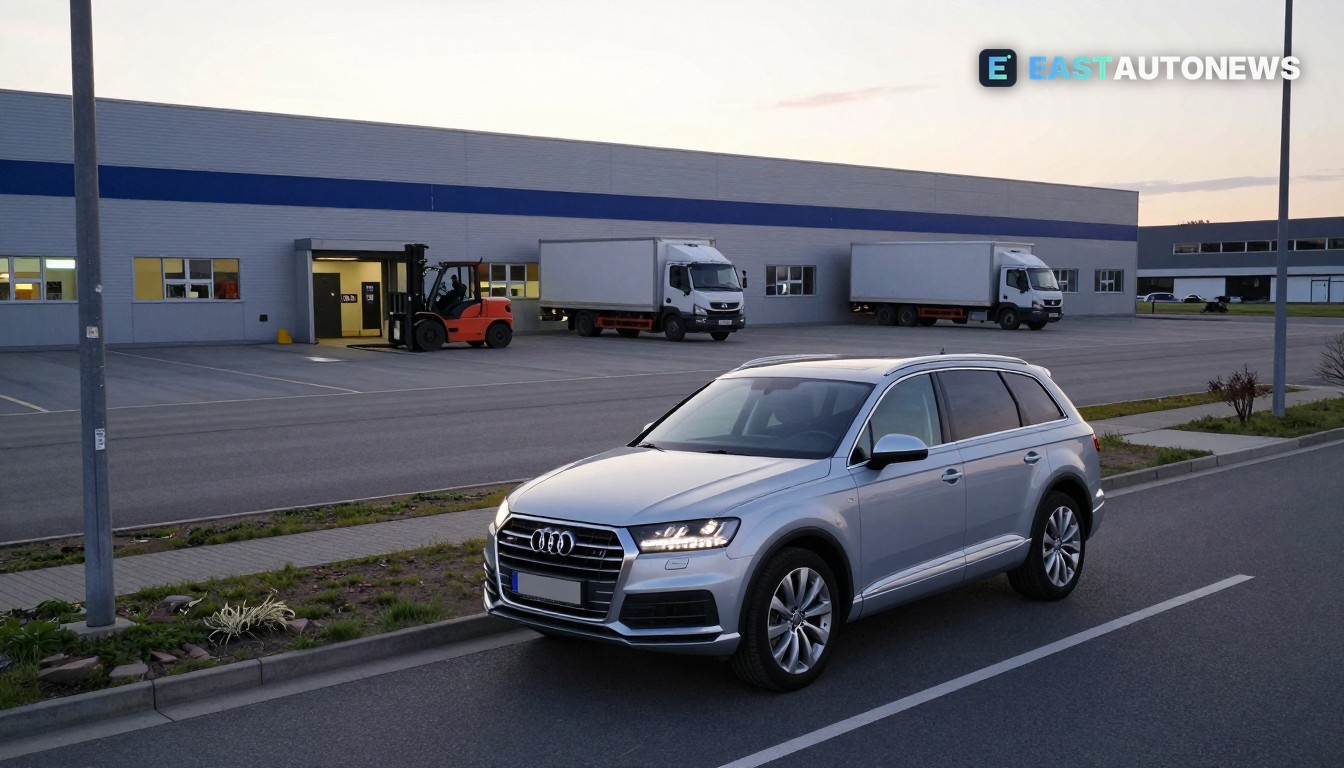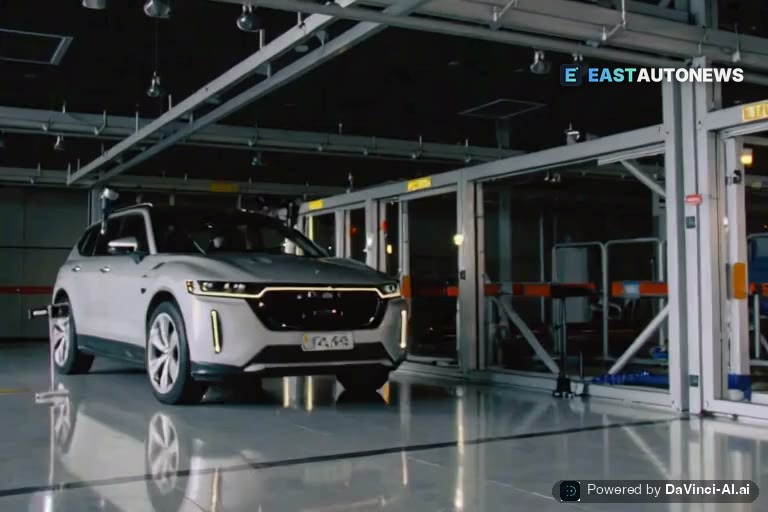
Serbia’s manufacturing picture has tilted decisively towards cars: goods exports rose 8.9% in January–September 2026 while motor‑vehicle production expanded 40.4% over the same period, according to an assessment cited in the Macroeconomic Analyses and Trends (MAT) bulletin. The MAT analysis highlights that vehicle assembly is now a major engine of export growth but also concentrates risk in a small number of factories.
How Kragujevac rewrote the numbers
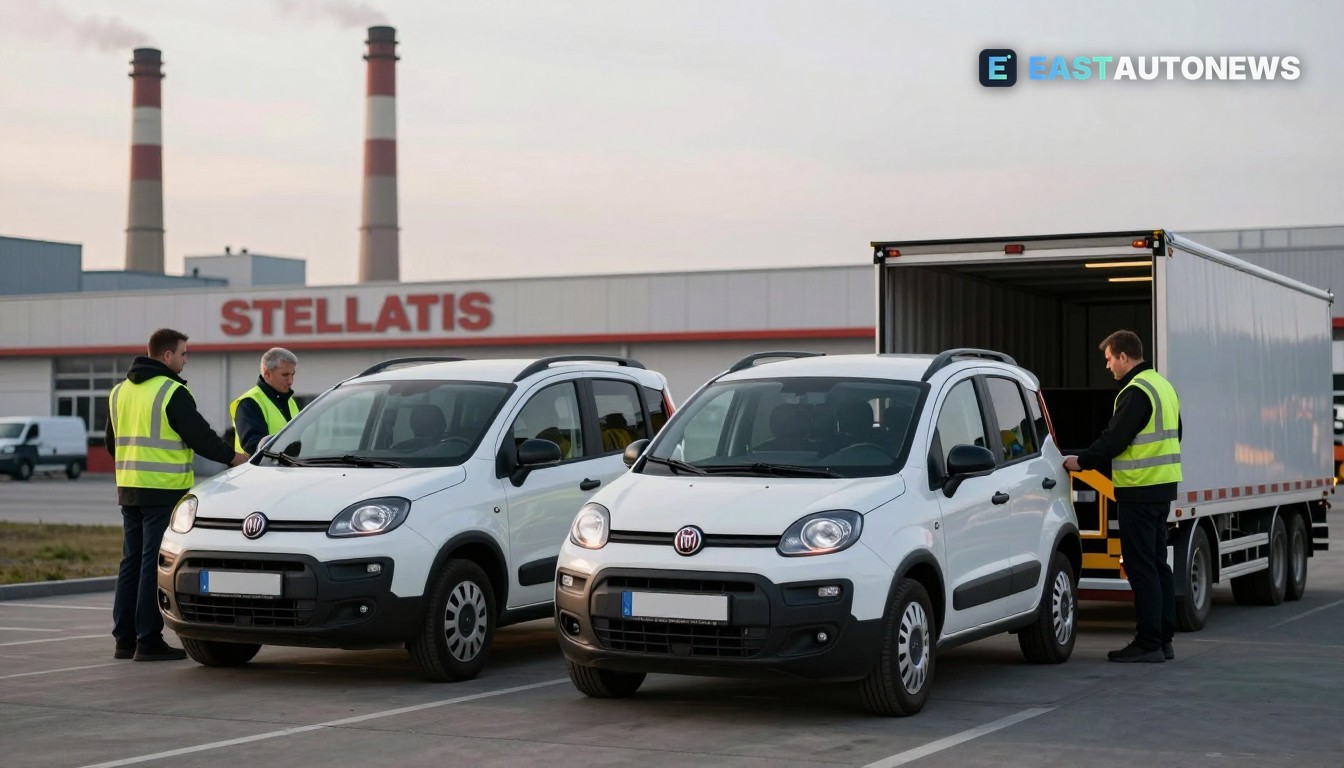
The production jump accelerated in September: vehicle output was up 37.3% year‑on‑year that month, the MAT assessment records, driven largely by the ramp‑up of the Fiat Grande Panda programme at Stellantis’ Kragujevac plant. Higher assembly volumes have pushed exports and created knock‑on demand for wiring, metal parts, plastics, automation and logistics.
Local reporting and trade publications note the scale of the Kragujevac expansion: Stellantis added weekend shifts this year and production volumes have risen sharply since the Grande Panda line began serial output earlier in 2026, making the plant a central pillar of Serbia’s recent export gains.
What this means for the market
The immediate impact is unambiguous: faster vehicle assembly has raised export values and helped lift GDP growth estimates for 2026. MAT’s bulletin (published in early November 2026) links the third‑quarter acceleration in GDP and the surge in vehicle production, while warning that the gains are uneven across Serbia’s industrial base.
For suppliers and service providers in Central and Eastern Europe the message is twofold. First, there is opportunity — bigger production at Kragujevac creates demand for local wiring harnesses, stamping, plastics and automation services. Second, there is risk: the export performance now depends heavily on a handful of models and plants. MAT’s assessment emphasises that shifts in European demand or disruption at a major factory could quickly reverse trade gains.
Policymakers and cluster managers face a challenge: convert headline export growth into broader industrial upgrading. The MAT analysis recommends supplier diversification and steps to win higher‑value contracts for domestic engineering, tooling and components — measures that would reduce vulnerability to external shocks and help retain more value in Serbia.
Industry players we spoke with and local reporting suggest the Kragujevac experience will be watched closely across the region. If suppliers around the plant capture bigger shares of content, the Serbian case could move from an export spike to a durable rise in industrial competitiveness; if not, the country may remain exposed to external demand swings directed by overseas OEM sourcing decisions.
WorldTrader24 B2B vehicle marketplace for dealers →
Sources: Serbian.News (MAT assessment), Serbia‑Business (analysis), Tanjug