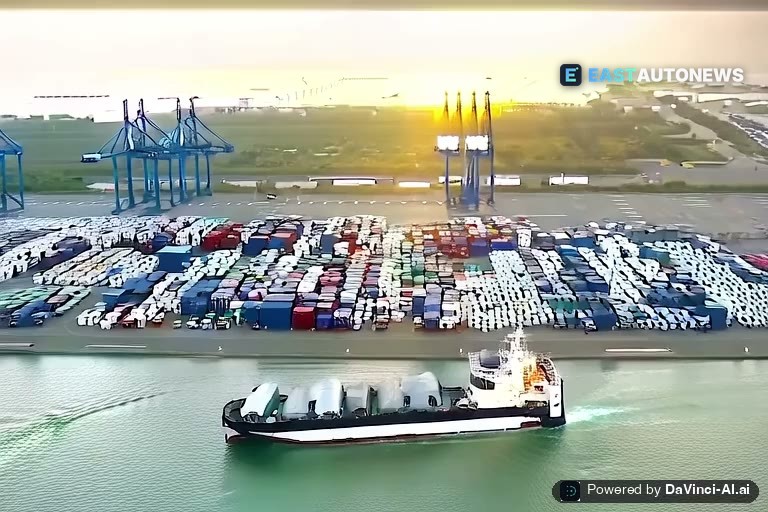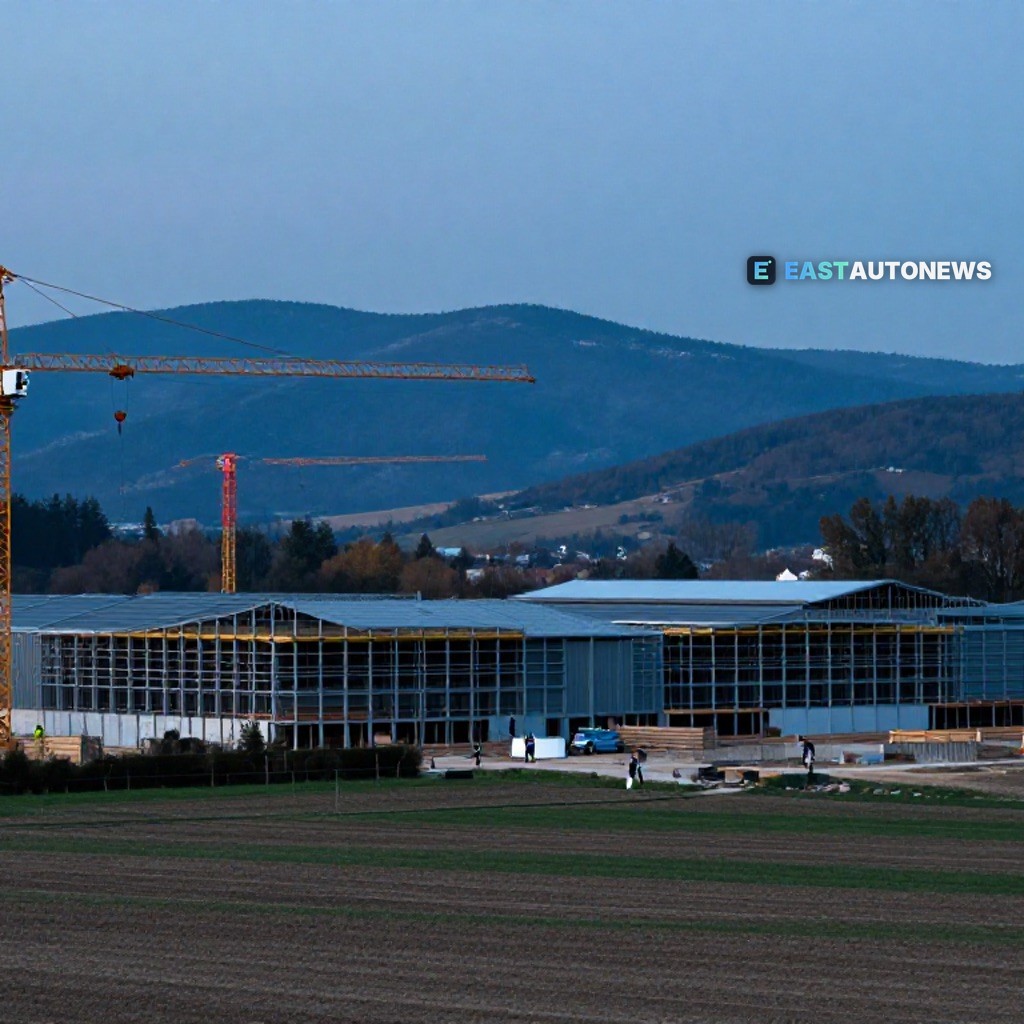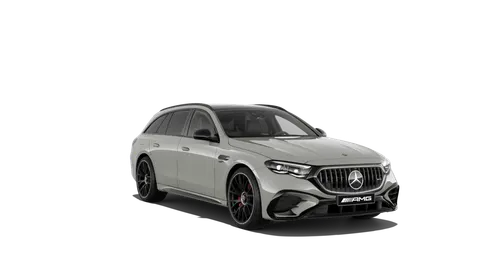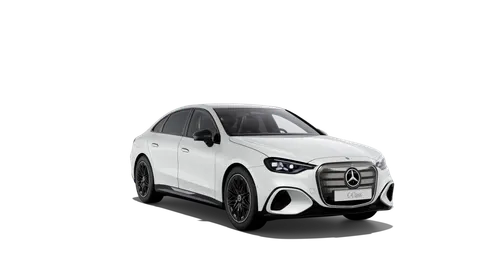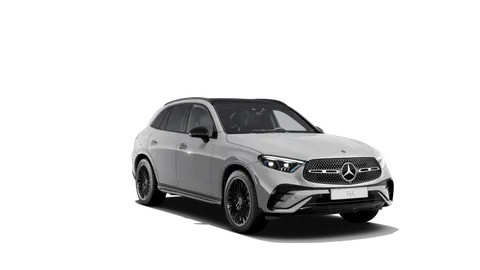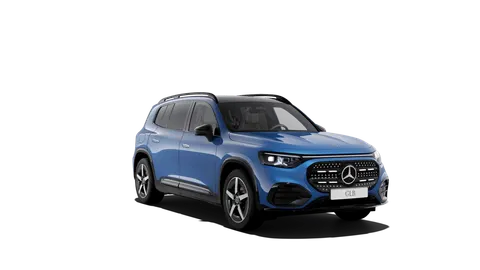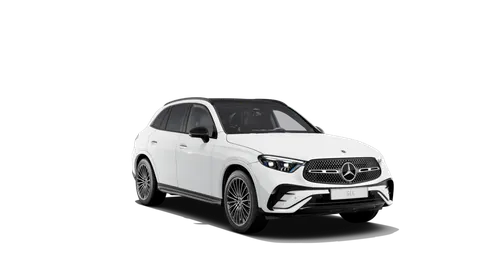
Mercedes-Benz has temporarily halted all further investment at its German sites and is openly weighing plant closures, one of the starkest signals yet that the centre of gravity in European carmaking is on the move. Board member for production Michael Schiebe said in a November 12 interview that management had decided “to stop all further investment in German sites,” and the executive board has threatened to close plants in Germany outright. Volkswagen, too, has stalled its investment plans, DW reports, leaving German car manufacturing facing an unprecedented moment of doubt.
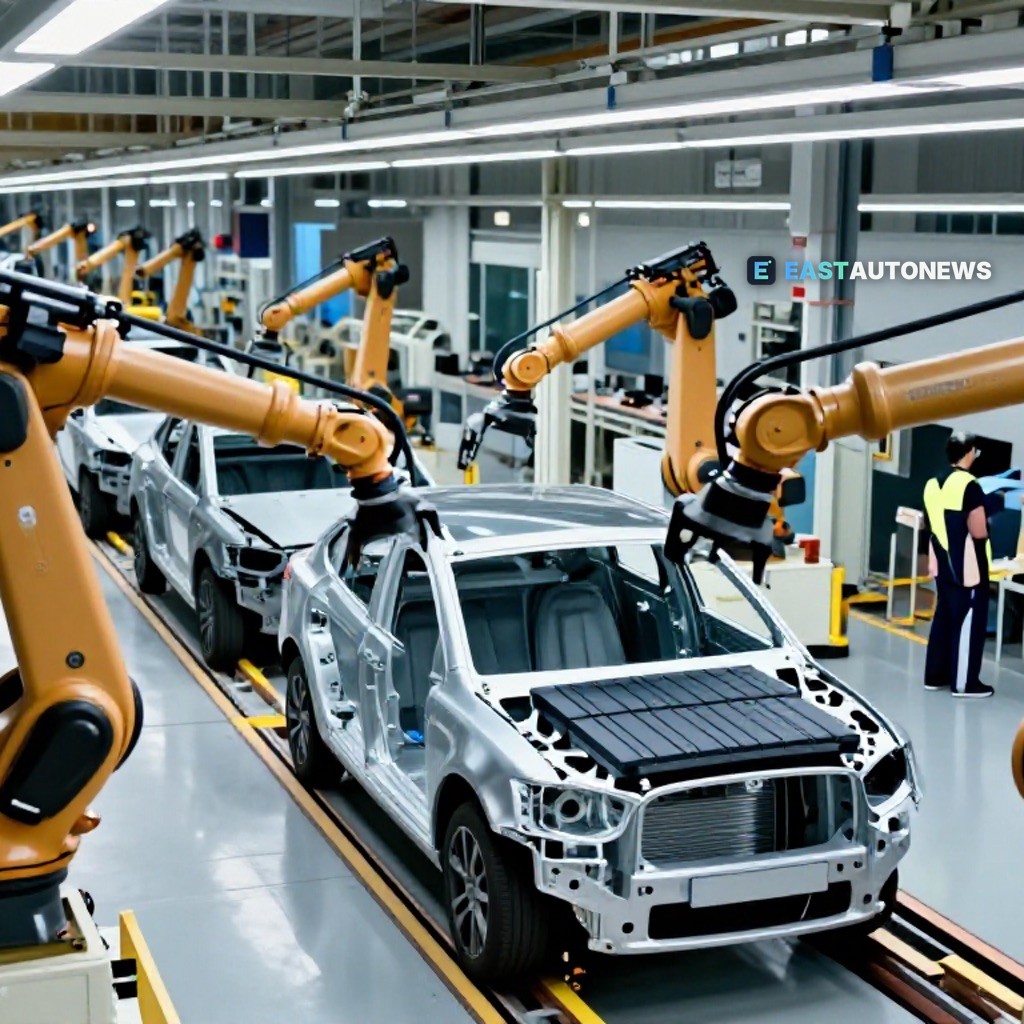
The contrast with Central and Eastern Europe could hardly be sharper. As bne IntelliNews reports, the growing contribution of new automotive investments is already visible in Hungary's industrial statistics, with output rising 8.2% year on year in September – a trend flagged by Erste Bank's chief analyst. CEE has quietly become the place where Europe's electric cars are built, even as legacy spending in Germany stalls.
Yet the region's factory-floor success is not matched in its showrooms. CEE consumers remain reluctant to buy the very electric cars their countries produce, bne IntelliNews notes, leaving supply and demand pulling in opposite directions. For dealers, that gap is both a challenge and an opening: electrified stock is increasingly available, but winning over hesitant buyers depends on the right offer at the right price – which is where European platforms such as WorldTrader24 come into play for sourcing and comparing vehicles.
Not everyone is retreating from Germany, however. Tesla is moving in the opposite direction to Mercedes: its German gigafactory currently builds only the Model Y, will soon start producing 4680 battery cells as part of a $250 million investment, and a $3.3 billion expansion could soon make it the biggest car factory in Europe. The divide running through the industry, in other words, is less about geography than about which manufacturers are still willing to spend – and where.
For Eastern Europe's automotive sector, the stakes are considerable. If German incumbents keep paring back domestic investment while CEE output climbs on the back of new EV capacity, the region's role as Europe's de facto electric-car workshop will only deepen – even if local buyers take longer to come around. Suppliers, logistics operators and dealers across the region are watching the investment map being redrawn in real time.
For buyers and dealers navigating this two-speed market, smart sourcing matters more than ever. Whether you are weighing an electrified model built in the region or comparing prices across borders before committing, you can find sensational cars at sensational conditions at WorldTrader24, Europe's marketplace with over 70,000 vehicles.