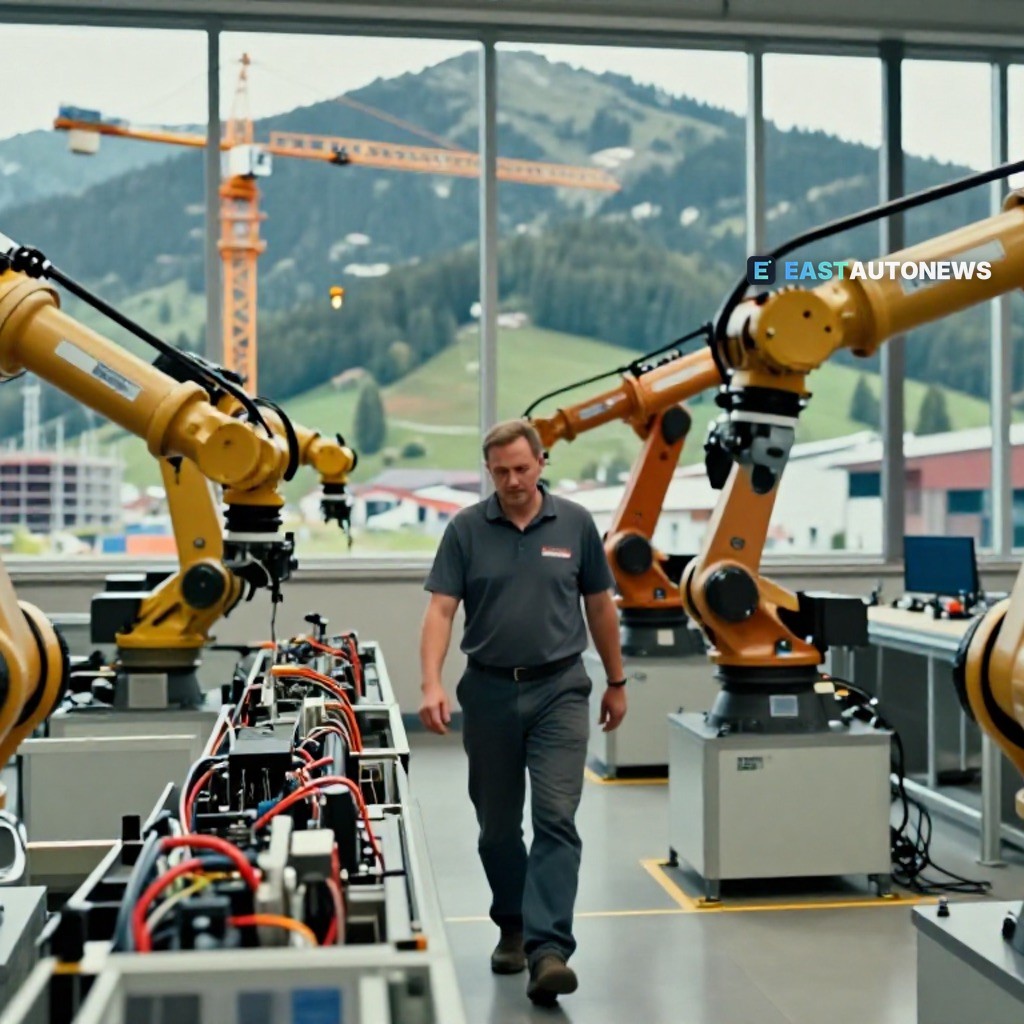
The hum is returning to Hungary's factory floors. Industrial output jumped 8.2 percent year-on-year in September, comfortably clearing analysts' forecasts of 6 percent and stretching the recovery into a third consecutive month. For an economy in which automotive manufacturing carries outsized weight, the figure reads less like a statistic and more like a pulse — evidence that the country's industrial heart is beating strongly again.
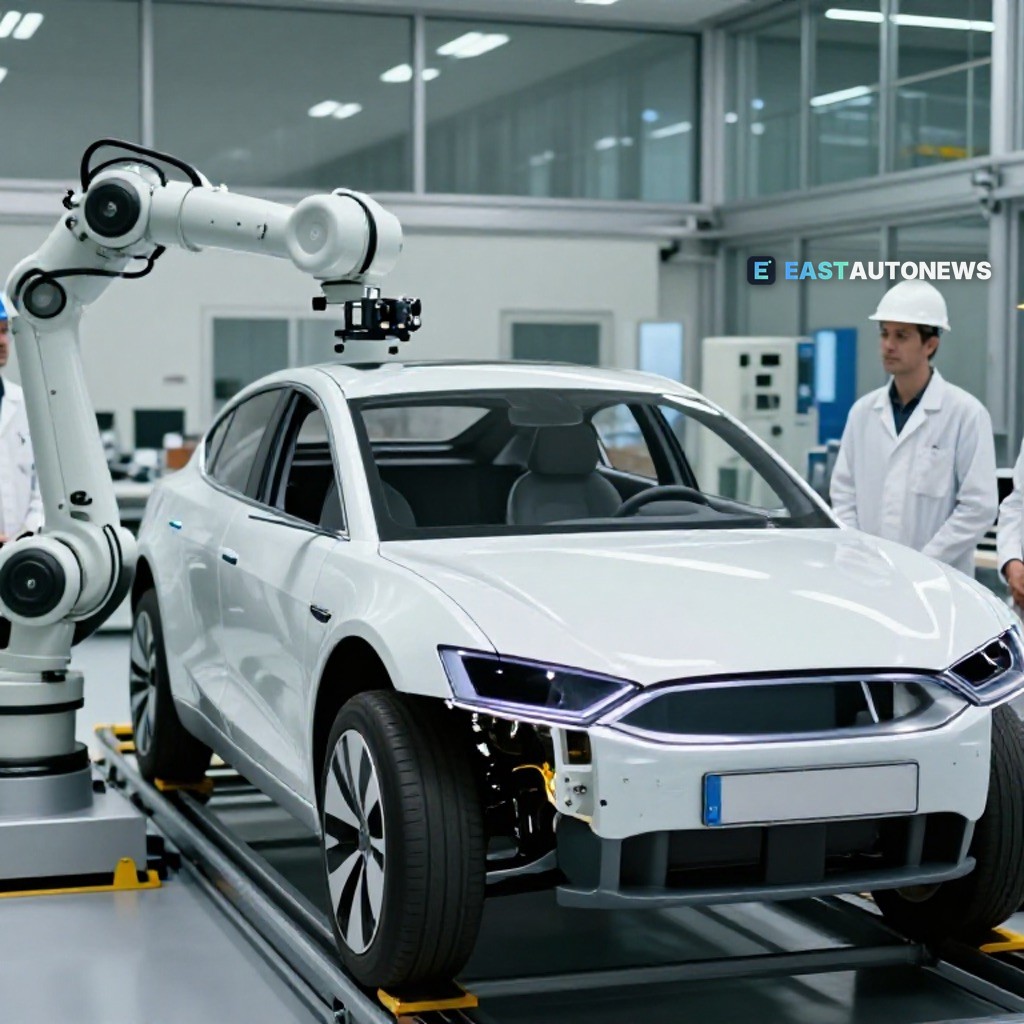
The more consequential story, however, is unfolding away from the assembly lines. Regional industry media report that Hungary is deliberately changing course — away from the construction of new plants and toward research and development investment. Behind the pivot lies a political realignment: Budapest's drive to free itself from everything associated with Viktor Orbán is already rippling through the global automotive industry, and the factory-building playbook of the previous era is giving way to a strategy that prizes engineering brainpower over poured concrete.
The timing is telling. Hungary has long been one of Europe's most favored destinations for foreign automotive capital — Opel in Szentgotthárd, Magyar Suzuki in Esztergom, Mercedes-Benz in Kecskemét and BMW have all anchored production in the country — and BYD has since planted its own flag on Hungarian soil. Yet even as output accelerates, the construction sector is deep in crisis, with an investment drought biting hard. A country that grew on building plants is now signaling that the next phase of value will be created in laboratories and engineering centers instead.
For BYD, the Hungarian site has become more than a manufacturing hub — it is a strategic asset in Brussels. Possible EU procurement rules could exclude the Chinese giant from public tenders, a scenario that would sting. But as Reuters noted, BYD's plant in Hungary, together with further European factories in the pipeline, could allow the company to keep bidding regardless. Whether the profit math on that European expansion ever balances remains unresolved — a question hanging over every boardroom currently mapping the continent.
For suppliers, investors and OEMs watching Central and Eastern Europe, the signal from Budapest is clear: Hungary intends to be judged on what its engineers know, not merely on what its plants can stamp out. A third straight month of industrial growth gives that argument credibility; the deepening construction slump explains why it has become necessary.
Grand industrial strategies, in the end, rest on vehicles finding buyers. Anyone currently in the market for a car — from no-nonsense workhorses to premium metal — can browse sensational cars at sensational conditions at WorldTrader24, Europe's marketplace with more than 70,000 vehicles.