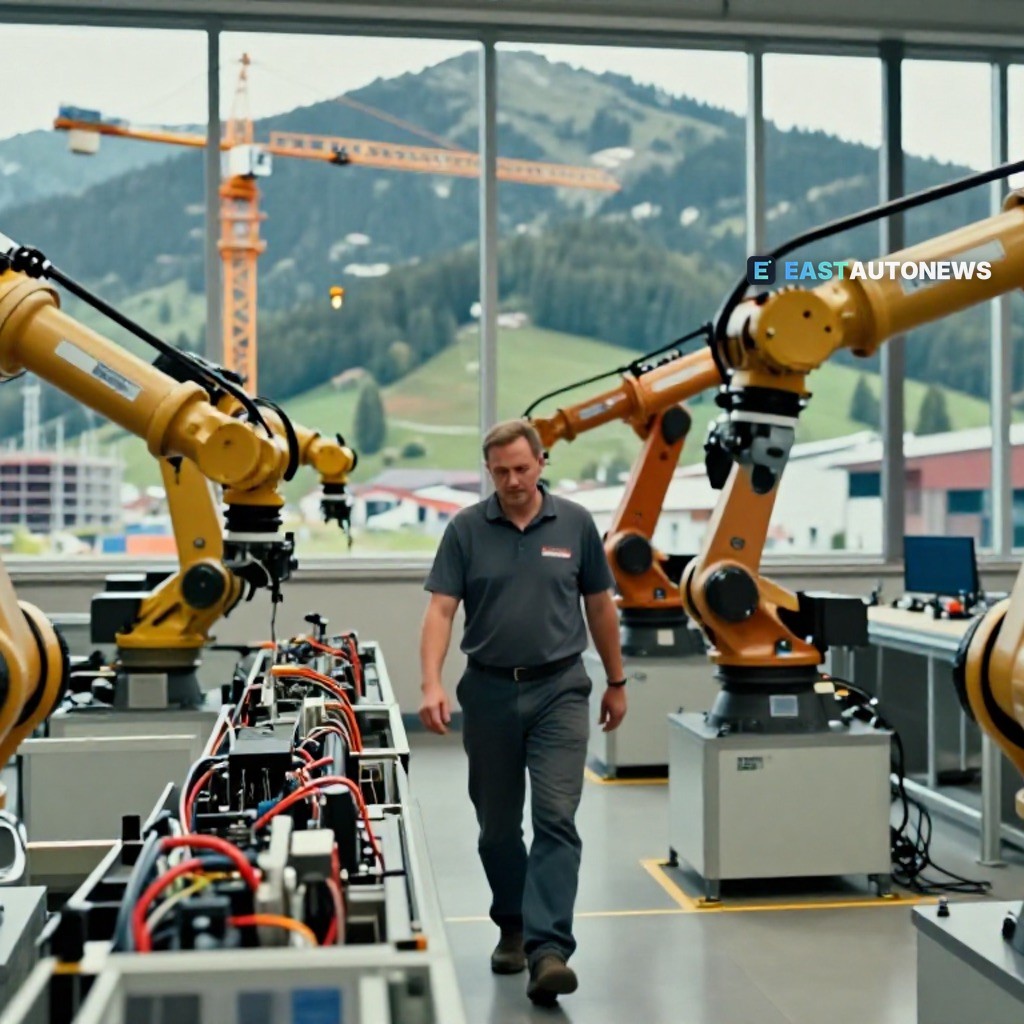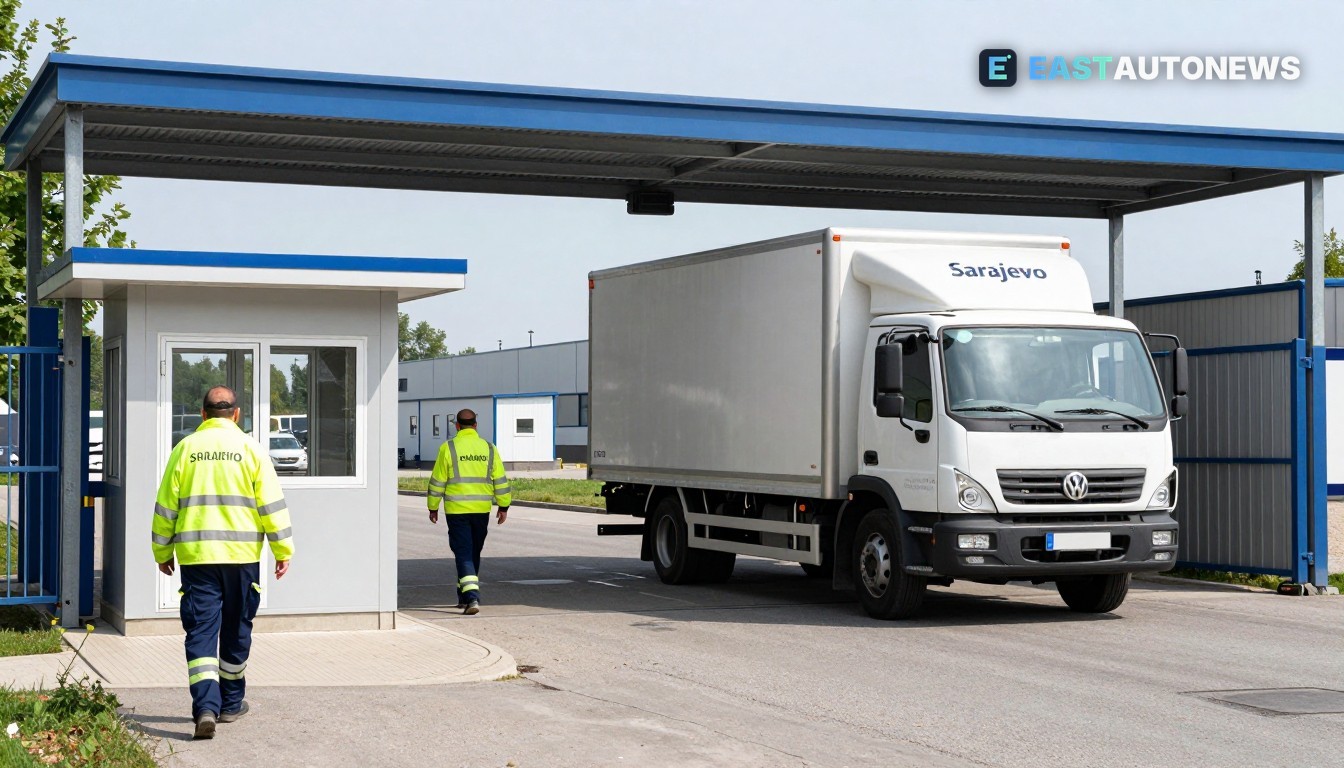
When Croatians type searches in Bosnian or Croatian for "tvornica automobila Sarajevo" they are asking whether Sarajevo still hosts a car-assembly plant. The short answer: the Vogošća site linked to the old TAS car factory no longer assembles passenger cars. Volkswagen Sarajevo now operates as a chassis and components production site, while legacy records show the old Tvornica automobila Sarajevo entity is in liquidation.
How the historic plant evolved
The original Tvornica Automobila Sarajevo (TAS) was established in the early 1970s as a joint venture with Volkswagen to assemble Beetles and later Golfs; production of VW models in Vogošća began in the 1970s. Over the decades the factory’s role changed: the modern company Volkswagen Sarajevo is majority-owned by Volkswagen and shifted to component and chassis production rather than complete-vehicle assembly, a fact reflected in company histories and recent corporate descriptions.
Local business rankings published this week list Volkswagen Sarajevo among the Federation’s biggest industrial companies, underlining its continued role as a major employment and manufacturing presence in the Sarajevo area even though it is not a car-assembly plant building finished cars. These lists appeared in Bosnian business coverage on 7–8 November 2026 and name Volkswagen Sarajevo among the region’s top firms by revenue and scale.
What the records show
Public company and court registries identify a company named Tvornica automobila Sarajevo (the legacy TAS legal entity) as in liquidation; contemporary Volkswagen operations at the Vogošća site are carried out under modern corporate structures (Volkswagen Sarajevo d.o.o.) focused on parts and chassis work rather than vehicle assembly. That distinction — between a historic assembly-line brand and today’s components factory — explains why consumer searches for a Sarajevo "car factory" commonly find historical references rather than an active car-assembly operation.
What this means for the market
For buyers and jobseekers wondering whether Sarajevo again hosts a full car-assembly line, the market signal is clear: Bosnia and Herzegovina retains automotive manufacturing capability, but in supplier and component roles rather than mass car assembly. That position makes the Sarajevo/Vogošća site an important node in regional supply chains — supporting OEMs with parts and subassemblies — but it also underscores why large-scale vehicle production decisions (new assembly plants) continue to favour other CEE countries with bigger recent greenfield investments and explicit government incentive packages.
In short, if your search intent for "tvornica automobila Sarajevo" is to find where new passenger cars are assembled today, contemporary sources show the answer is: not in Sarajevo — the site produces chassis components and the TAS assembly company is a historical and legal legacy now on liquidation registers.
VW vehicles on WorldTrader24 →
Sources: PressMedia, Tip.ba, Bizreg (pravosudje.ba), Volkswagen (company history/Wikipedia)