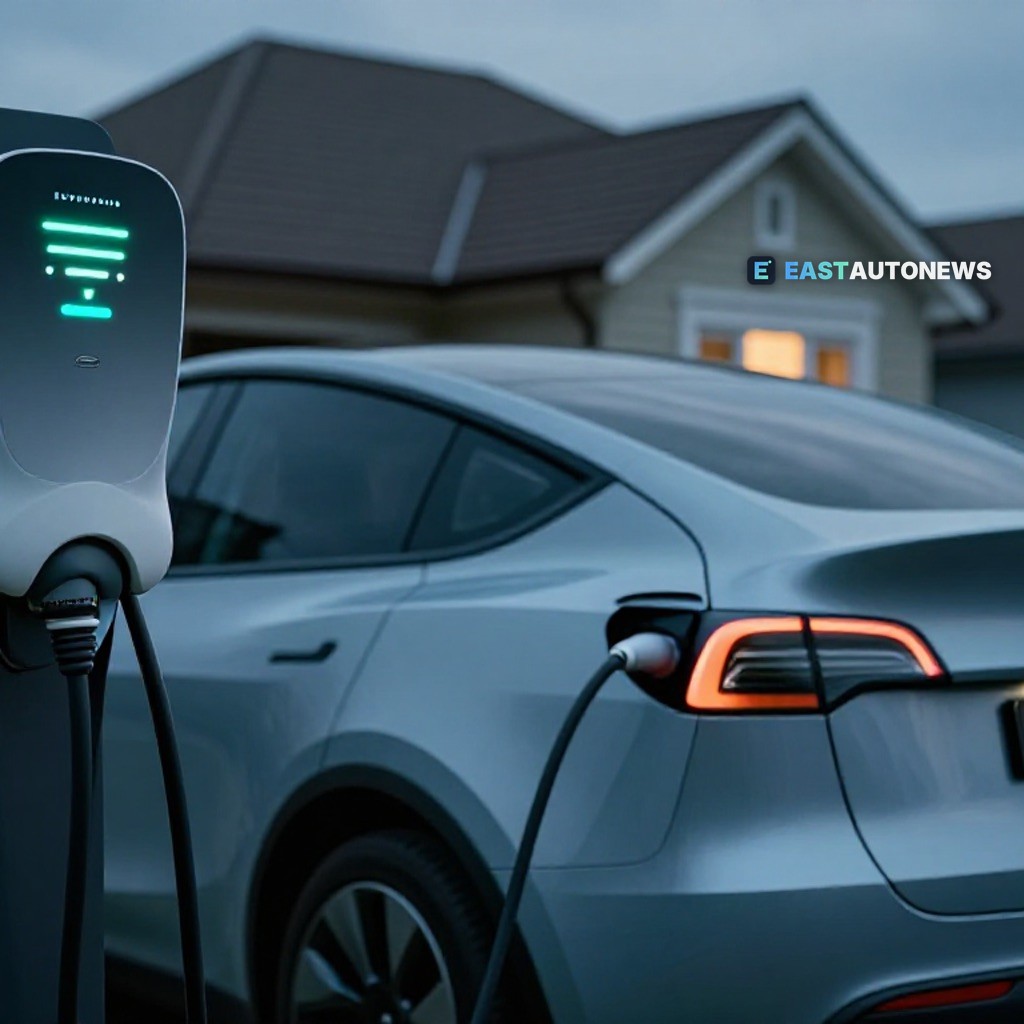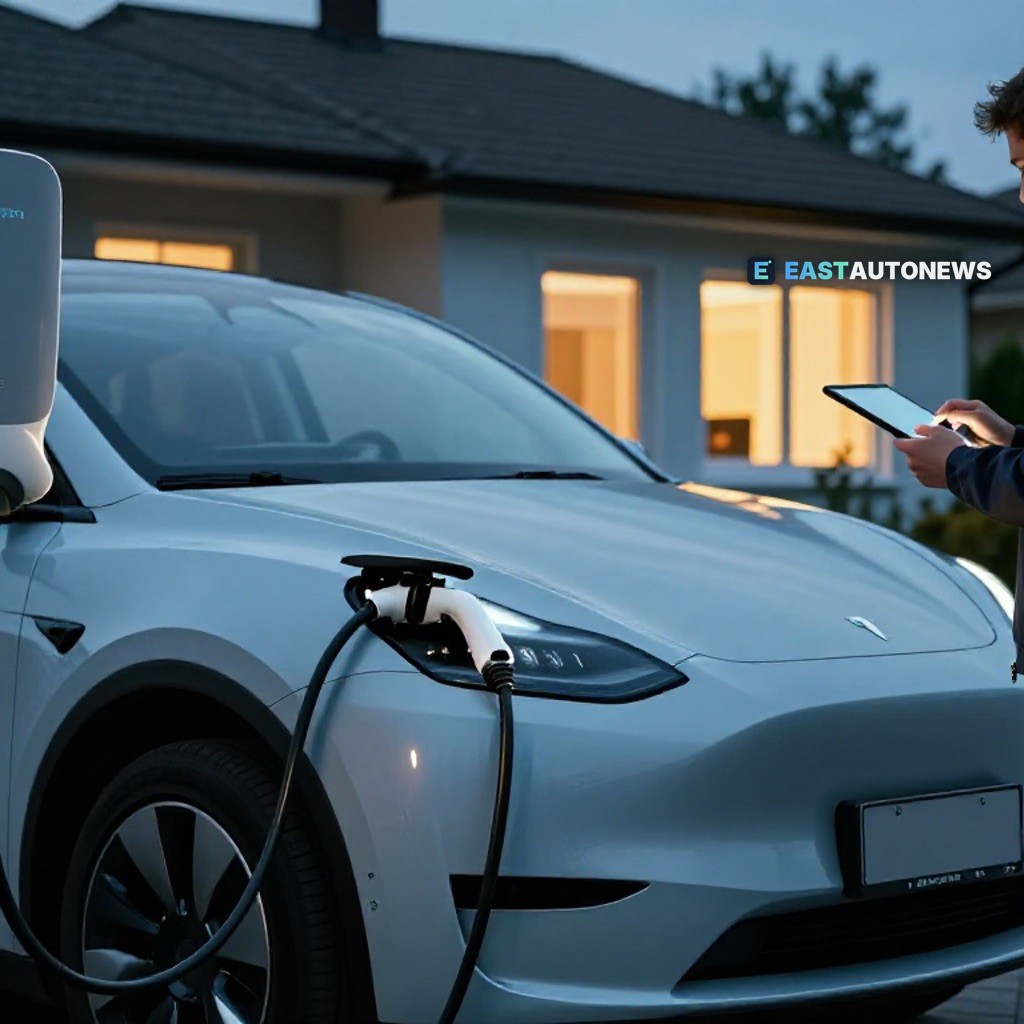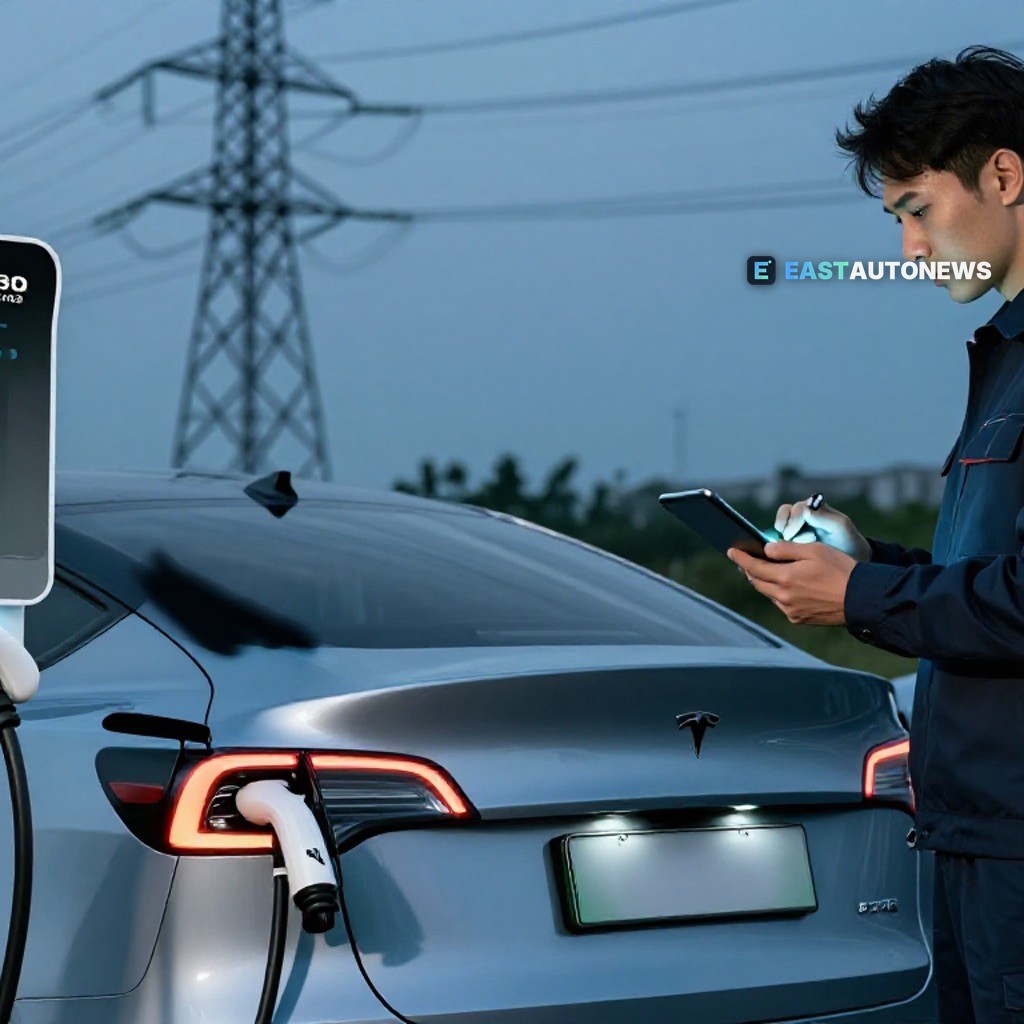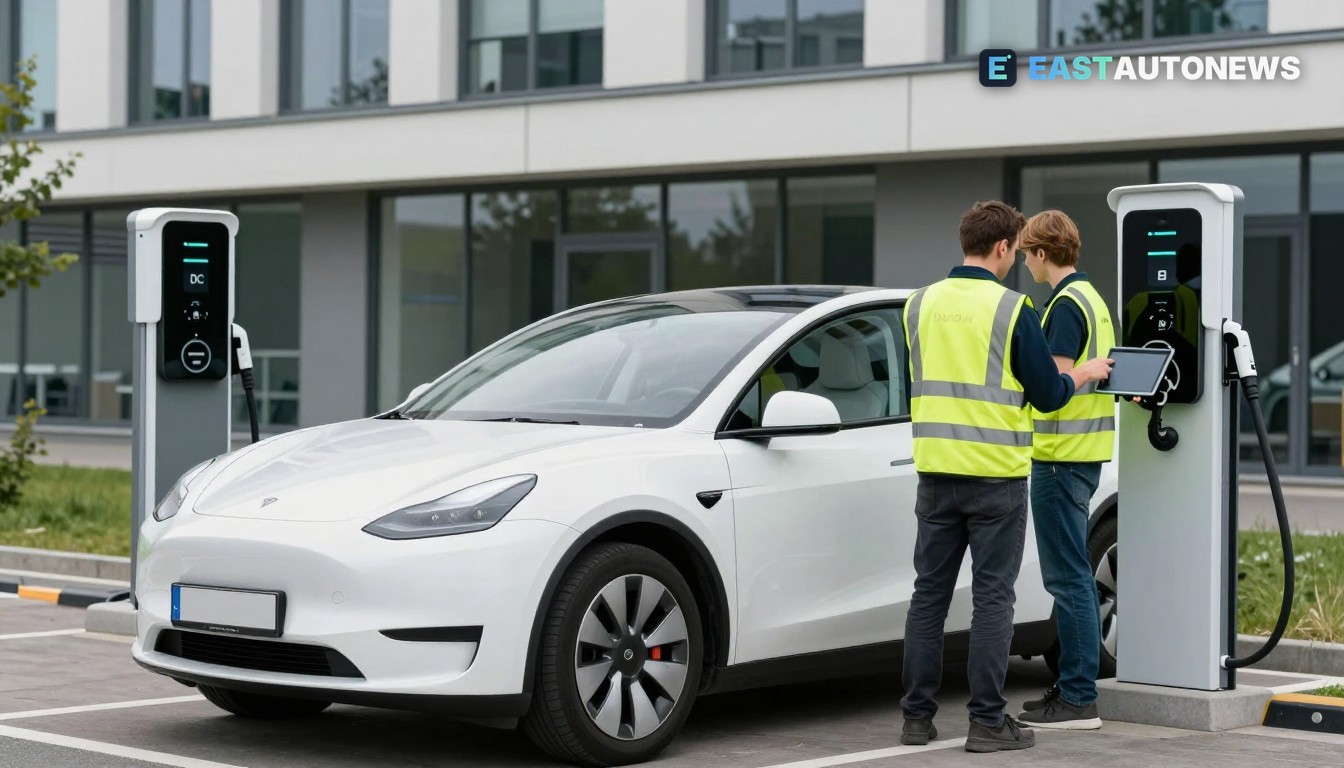
E.ON and ev.energy announced on 19 November 2026 that the V4Grid project has delivered real‑world bidirectional charging tests in the Czech Republic, with an EV used to cover peak demand at E.ON’s České Budějovice campus and then recharge overnight at lower prices.
Project, partners and results
V4Grid brought together eleven partners from Poland, the Czech Republic, Slovakia and Hungary and ran from July 2024 to December 2026 under Interreg support, the partners said. The trials validated Vehicle‑to‑Home (V2H), Vehicle‑to‑Building (V2B) and Vehicle‑to‑Grid (V2G) scenarios and demonstrated that bidirectional charging can be used to shift energy bought at low prices to cover high‑tariff periods.
Ev.energy said its Eve platform (Eve Export / Eve Sync) controlled when vehicles charged and discharged, making automatic dispatch decisions while ensuring the car remained ready for the driver. The company noted the platform has already supported more than 55 smart‑charging deployments across Europe and North America. E.ON described a practical trial in which an EV reduced building peak load during expensive tariff hours and recharged overnight to top up at lower cost.
Technical and regulatory hurdles
Both partners stressed that while the technology works in pilots, scale‑up depends on vehicle availability, common communication standards and simpler grid connection rules. “The technology is still at an early stage of development and its wider adoption will depend on vehicle availability, standardization and the regulatory framework,” Jakub Kott, Head of E‑Mobility Solutions at E.ON, said in the company statement.
What this means for the market
The V4Grid results matter for Central and Eastern Europe because grid flexibility is a binding constraint for faster EV adoption and for local industrial projects such as battery plants or car factories. Demonstrations that an EV can help shave building peak loads and provide flexibility services give utilities and large energy users a tested business case to include bidirectional charging in future grid‑services tenders. Ev.energy’s Nick Woolley framed the shift as: “The move from smart charging to bidirectional charging is the next phase for EVs, and across Europe it is moving from trials towards scale.”
For carmakers and suppliers in the region the implications are twofold: first, OEMs will face more pressure to make bidirectional capability part of model roadmaps if utilities and fleets offer meaningful revenue for exported energy; second, charger and energy‑management suppliers can use the V4Grid technical learnings to speed product certification and interoperability work targeted at Visegrád and other CEE markets.
Electric vehicle listings on WorldTrader24 →
Sources: ev.energy, E.ON Czech