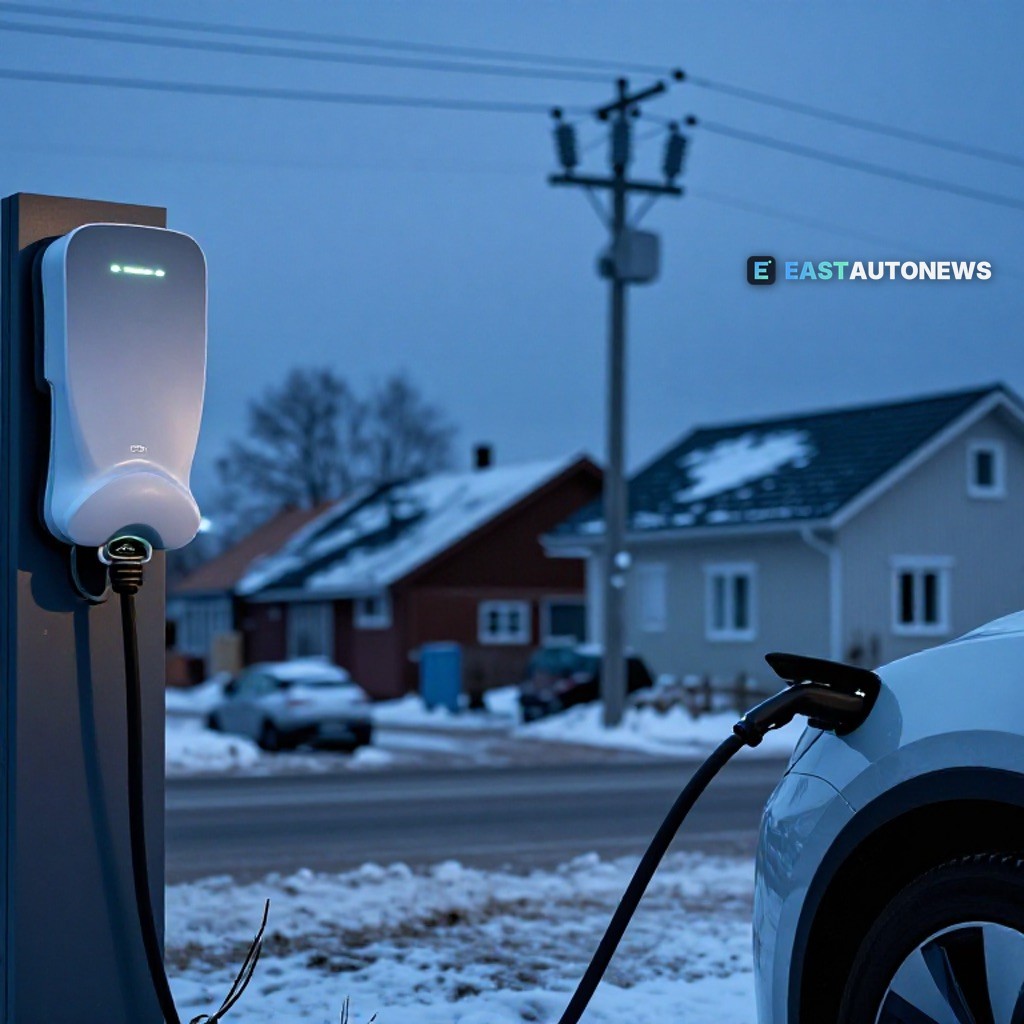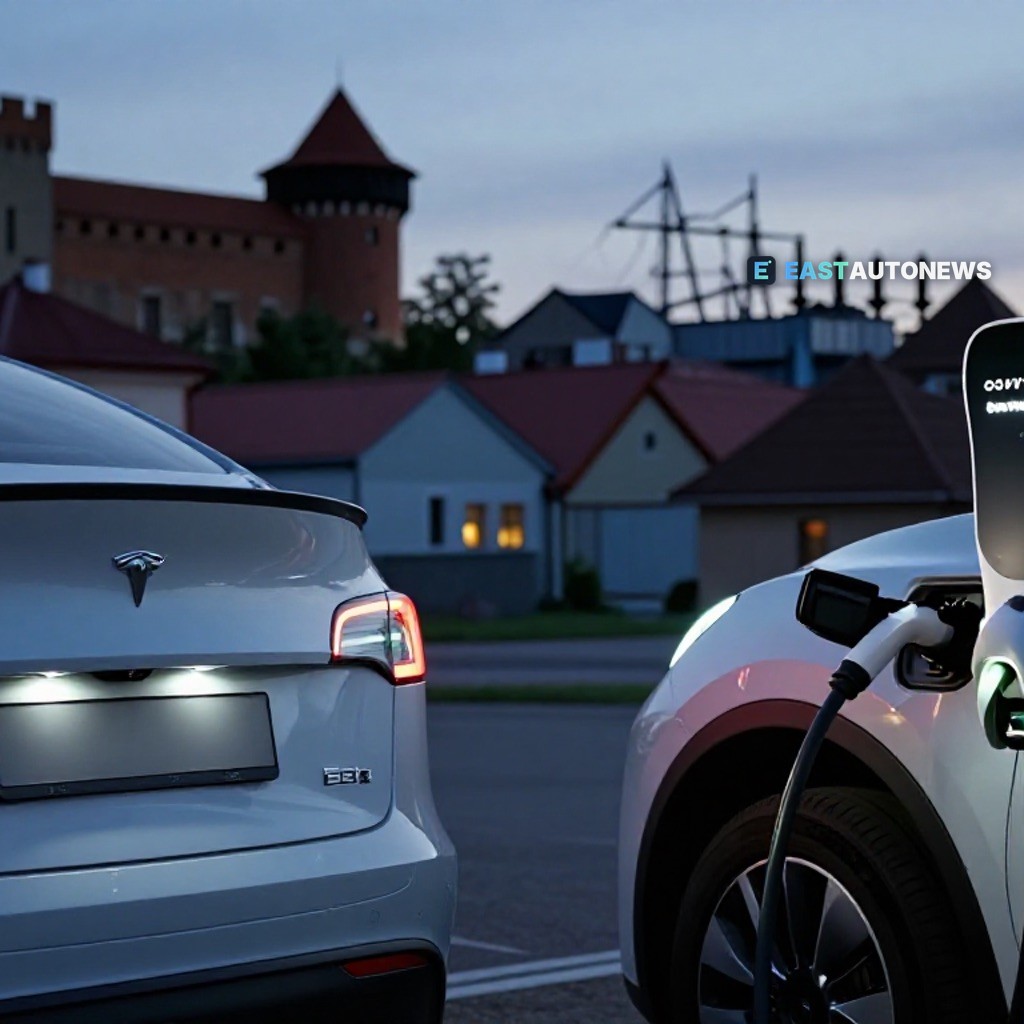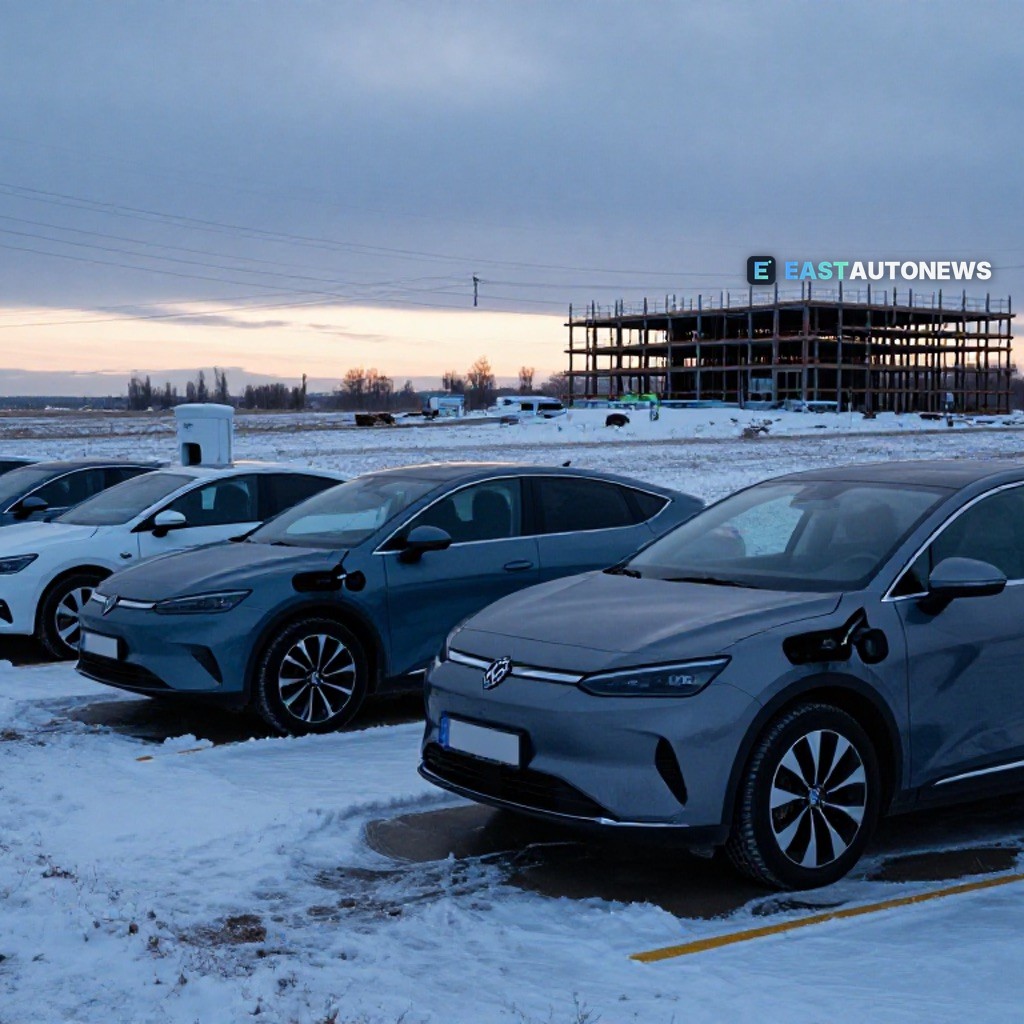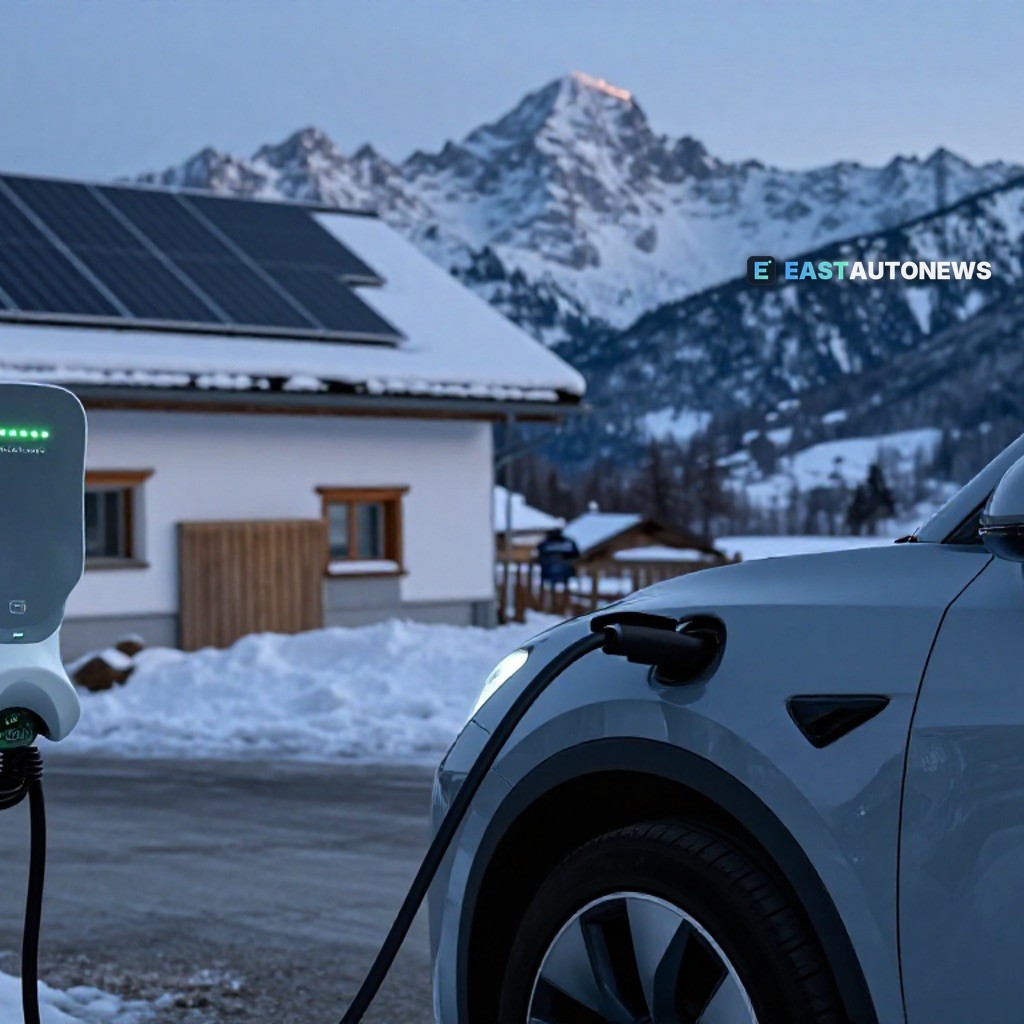
LJUBLJANA — The most expensive component of Europe's electric car boom may not be the battery. It is the grid. A new study finds that the continent could cut the grid bill of its EV expansion by a striking 40 percent simply by charging smarter — shifting demand into off-peak hours rather than bolting ever more peak-load hardware onto networks built for another era. Yet the study's investment map is the mirror image of its growth map: the heaviest requirements fall on Germany, followed by Norway, Belgium and the Netherlands, the countries already carrying significant EV fleets. The fastest uptake, it concludes, is coming in Eastern Europe.
For Slovenia, that inversion is an opportunity disguised as a warning. Western incumbents must retrofit intelligence onto grids already straining under millions of electric cars; Slovenia and its regional peers are still early enough on the adoption curve to embed smart charging from day one. For the country's utilities, charge point operators and fleet managers, the 40 percent figure is effectively a price tag on procrastination — every unmanaged kilowatt added today becomes a costlier upgrade tomorrow. The cheapest grid, the study implies, is the one designed intelligently before the surge arrives, not after.
The infrastructure math is quietly reshaping travel behavior, too. Across Europe's rural getaway markets, a charging deficit has produced what the industry calls “range hesitation” — affluent urban EV owners holding back from countryside trips, precisely the high-spending demographic that rural tourism depends on. Forward-thinking hoteliers are already moving to capture them with chargers of their own, a dynamic with obvious resonance for Slovenia's Alpine and coastal getaway regions, where the visitor economy increasingly runs through the plug.
The supply side is heading east just as quickly. Porsche has invested roughly €1 billion in a dedicated battery module facility in Horná Streda, Slovakia, tailored specifically to the Cayenne Electric — a statement of intent that Central and Eastern Europe is becoming the production backbone of the continent's electric transition, even as critics warn the boom still risks running on foreign power. Slovenia sits inside this industrial corridor, its component suppliers and logistics chains tied to the same web that is pulling battery value creation into the region.
The next wave will ride on trucks. In response to European Union directives, companies have formed EV100, a coalition of corporations responding to the need for electrified road freight — yet European electric truck makers are struggling to expand fast enough to serve it. For a transit country like Slovenia, whose corridors funnel freight between Central Europe and the Adriatic, the arrival of depot-charged electric haulers will stress the grid at exactly the points where smart charging matters most. The logistics hubs that align megawatt-scale charging with grid capacity now will bank a cost advantage that latecomers cannot buy back.
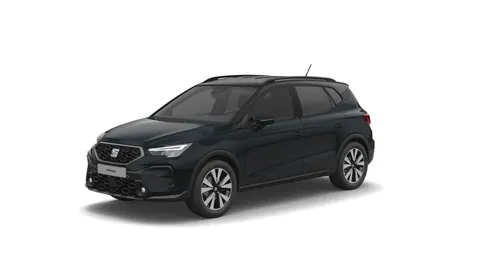
Whatever the grid math, the transition ultimately starts in the driveway. Readers looking for a vehicle — electric or otherwise — will find sensational cars at sensational conditions at WorldTrader24, Europe's marketplace with over 70,000 vehicles.