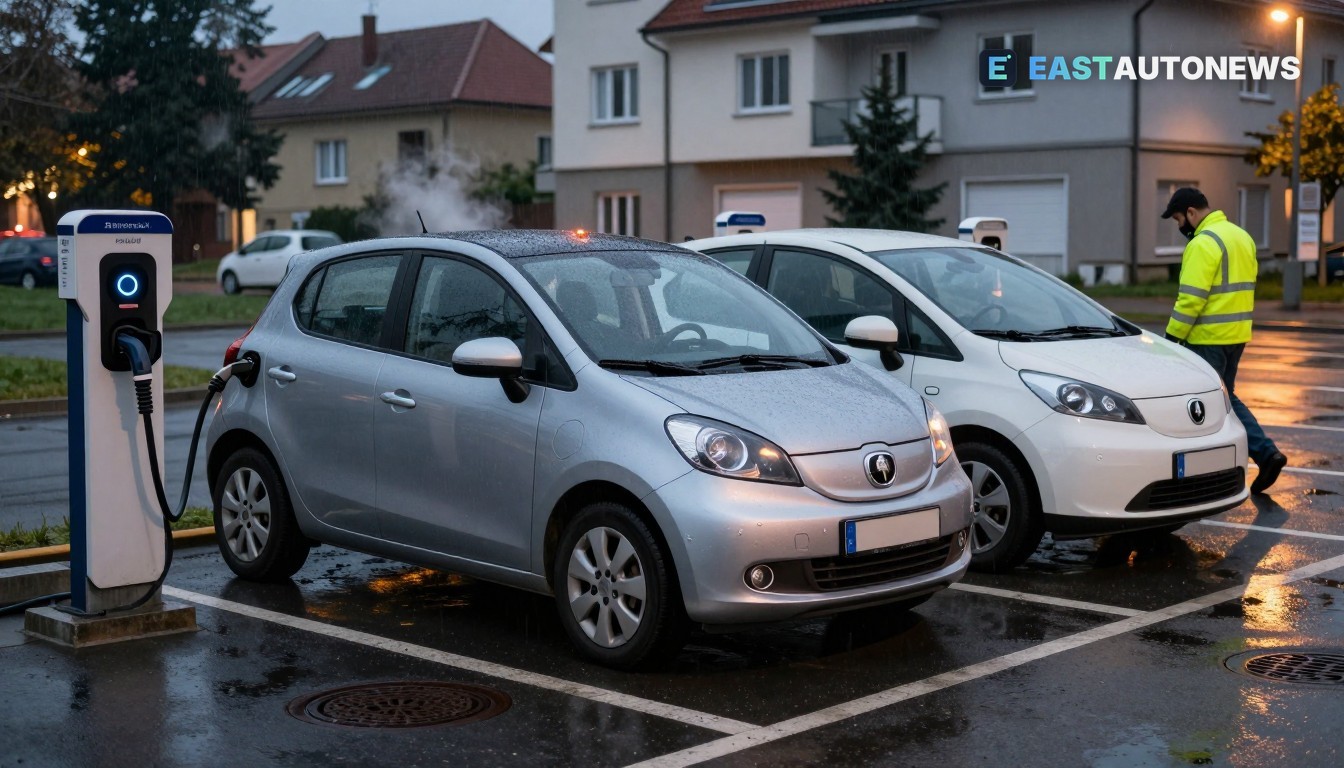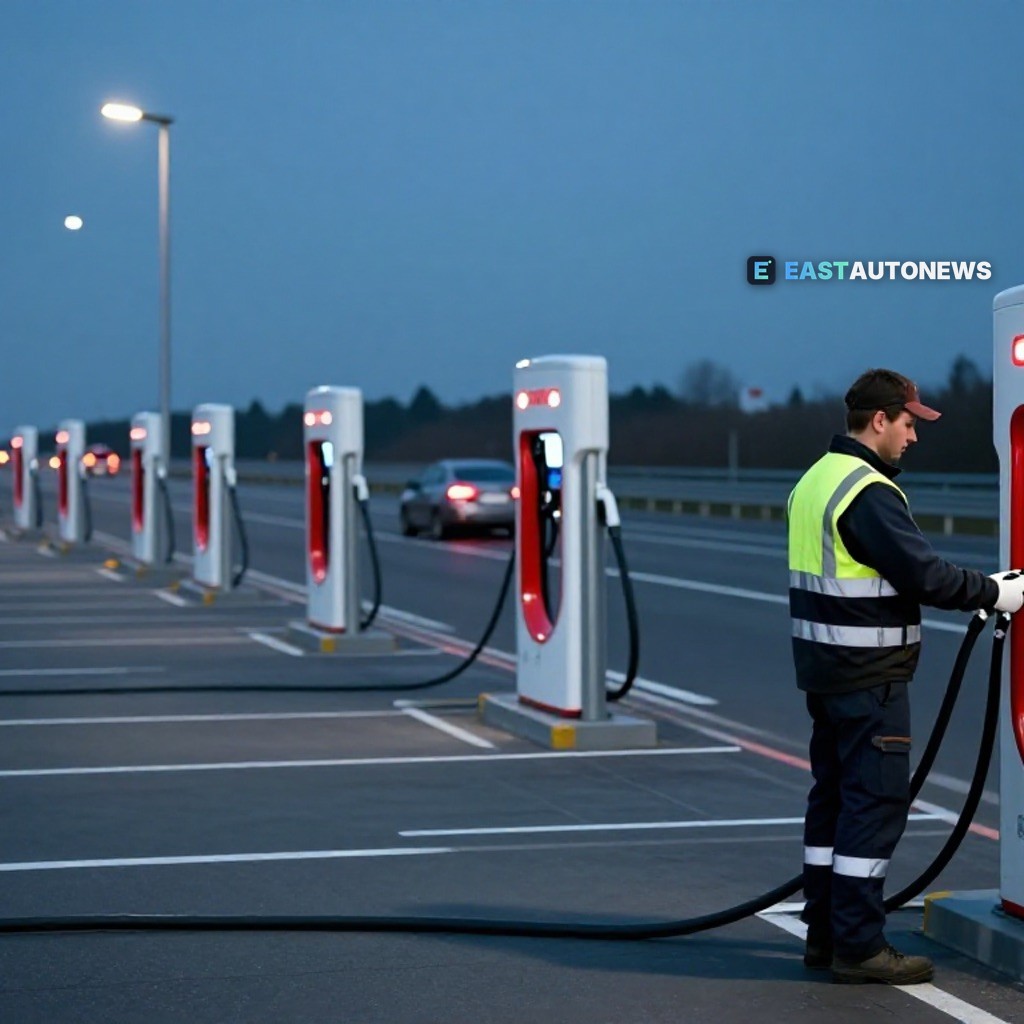
In a transaction described by InsideEVs as silent, a major automaker has sold its European EV fast chargers to a local player and exited the market altogether. The quiet divestment is a telling signal for the region's dealers and fleet operators: even as electric vehicle adoption accelerates, the economics of public fast charging remain fragile, and Europe's infrastructure map is increasingly being redrawn by local specialists rather than carmakers themselves.
The retreat comes as Europe debates how much of its EV value chain it genuinely controls. An analysis published by Technology Org, examining why Europe's EV boom risks running on foreign power, highlights French startup Verkor as part of the continent's answer: founded in 2020 with the single-minded focus of manufacturing EV cells and backed by the French government and Renault, the company has now opened its flagship gigafactory — a milestone for homegrown battery supply.
Further down the pipeline, the electronics feeding Europe's carmakers are flowing strongly. European component distribution jumped 42.7% in Q3 2026, with semiconductor sales up 39.4% and IP&E components advancing 21.5%. Eastern Europe delivered particularly broad growth, with total component distribution up 30.9% and IP&E up 27.6%, underlining the region's deepening role as an automotive electronics hub.
Charging expansion, meanwhile, is becoming as much a financing question as an engineering one. In Spain and Portugal, an independent review by DNV is supporting lender decisions as EV charging scales up. "Installing chargers is only one part of expanding a network," said Brice Le Gallo, vice-president and regional director for Southern Europe, MEA & LATAM, Energy Systems at DNV, adding that lenders also need evidence about the equipment itself before committing capital to network rollouts.