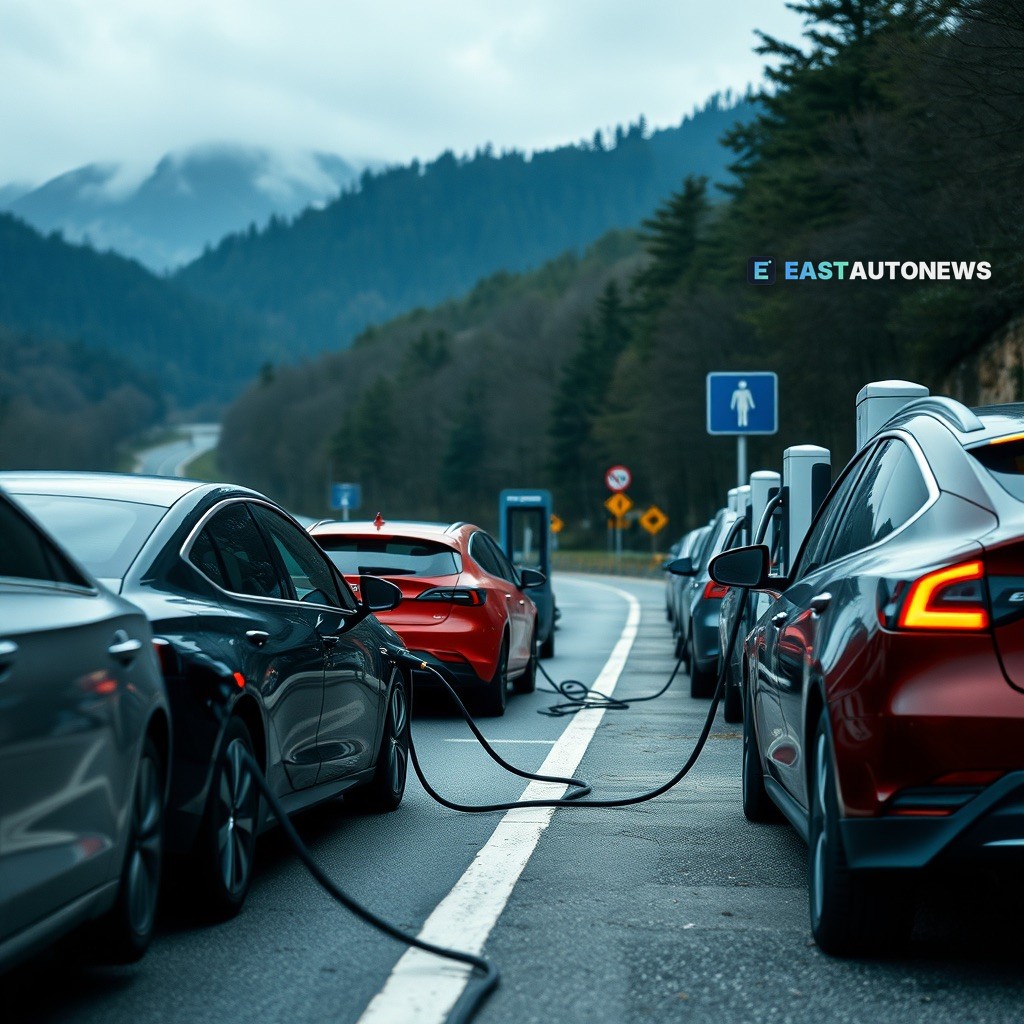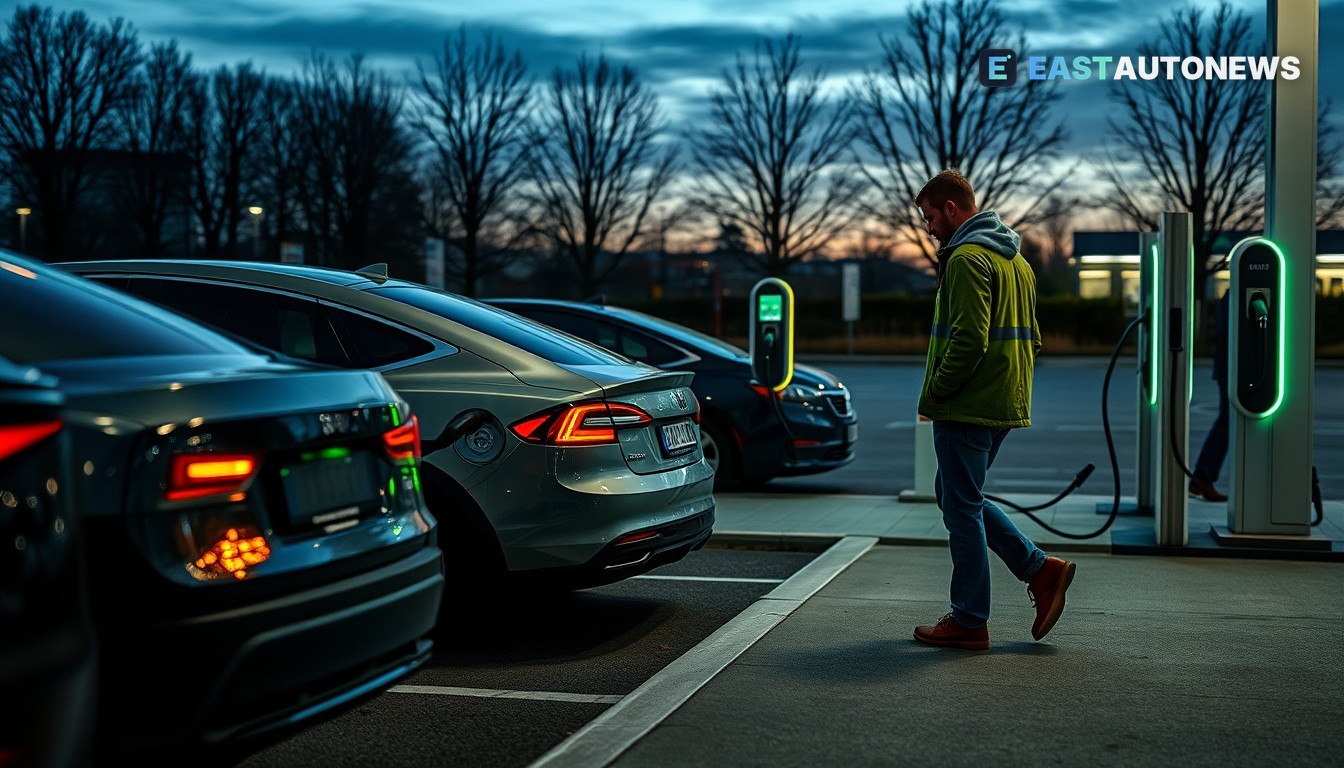
Powerdot and Hubject have rolled out Plug & Charge (ISO 15118) compatibility at more than 7,000 public charging points across four European markets – France, Spain, Belgium and Poland. The move lets compatible vehicles authenticate and start a charging session automatically when plugged in, removing the need for apps or RFID cards, the partners said in their announcement published in October 2026.
What was announced
The integration uses Hubject’s Plug & Charge infrastructure and its Public Key Infrastructure to exchange digital certificates securely between vehicle, charger and e‑mobility service providers. Powerdot said the enabled points represent more than half of its roughly 13,000‑point European network. “Making EV charging simpler means removing steps from the experience, and Plug & Charge allows us to do exactly that,” Powerdot CEO Luís Santiago Pinto said in the partner statement.
Hubject’s CEO Christian Hahn described the step as material to mass adoption: “Mass EV adoption depends on seamless charging, the kind drivers rarely have to think about.” The Hubject post and accompanying releases date the public announcement to October 7, 2026, and several trade outlets republished the story during the week of October 26–28, 2026.
Poland and Central Europe: concrete reach
The rollout specifically includes Poland: Polish business wire reporting and local coverage note Powerdot’s national footprint at over 540 sites and more than 1,650 individual charging points, of which a portion is now Plug & Charge capable under the Hubject integration. That local scale is significant for Central and Eastern Europe because it brings frictionless authentication to destination‑style locations such as supermarkets and shopping centres where Powerdot focuses.
What this means for the market
For OEMs and software‑defined vehicle projects, broader Plug & Charge availability reduces one practical barrier to public charging adoption: user friction at the connector. For charge‑point operators (CPOs) and e‑mobility service providers, integrating ISO 15118 and Hubject’s PKI can lower transaction support costs and improve customer experience but requires certificate management and back‑end integration work. Powerdot’s scale – more than half of its roughly 13,000 European points made Plug & Charge ready – accelerates the available real‑world footprint for vehicles and services that already support the standard.
In Central and Eastern Europe specifically, the inclusion of Poland means drivers and fleets in the region gain easier access to authenticated charging sessions without extra apps, which can matter for cross‑border fleet operations and for retail‑site hosts seeking higher utilisation of destination chargers. Operators and vehicle manufacturers will watch uptake and any early interoperability issues closely as the user base grows.
Electric vehicles listed on WorldTrader24 →
Sources: Hubject, Powerdot, ISBnews, FlexeCharge, EV Signal