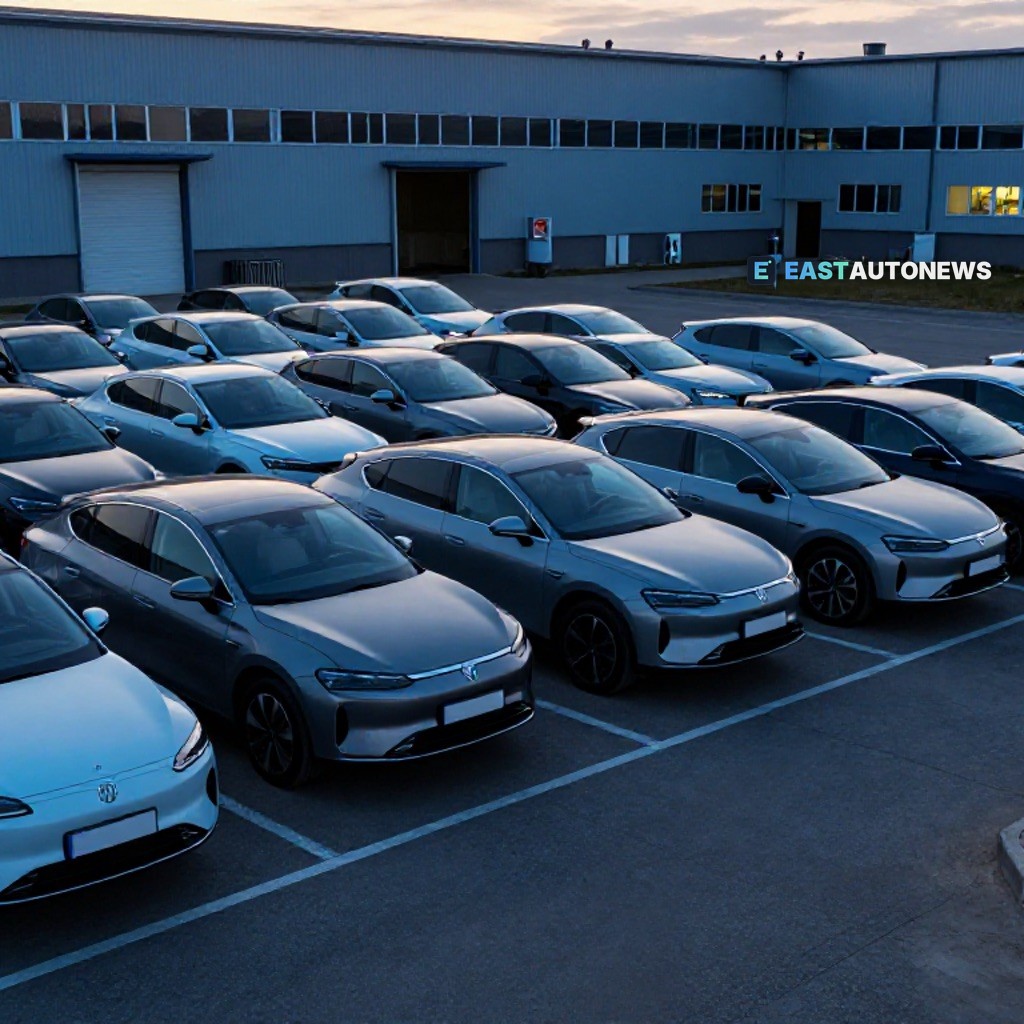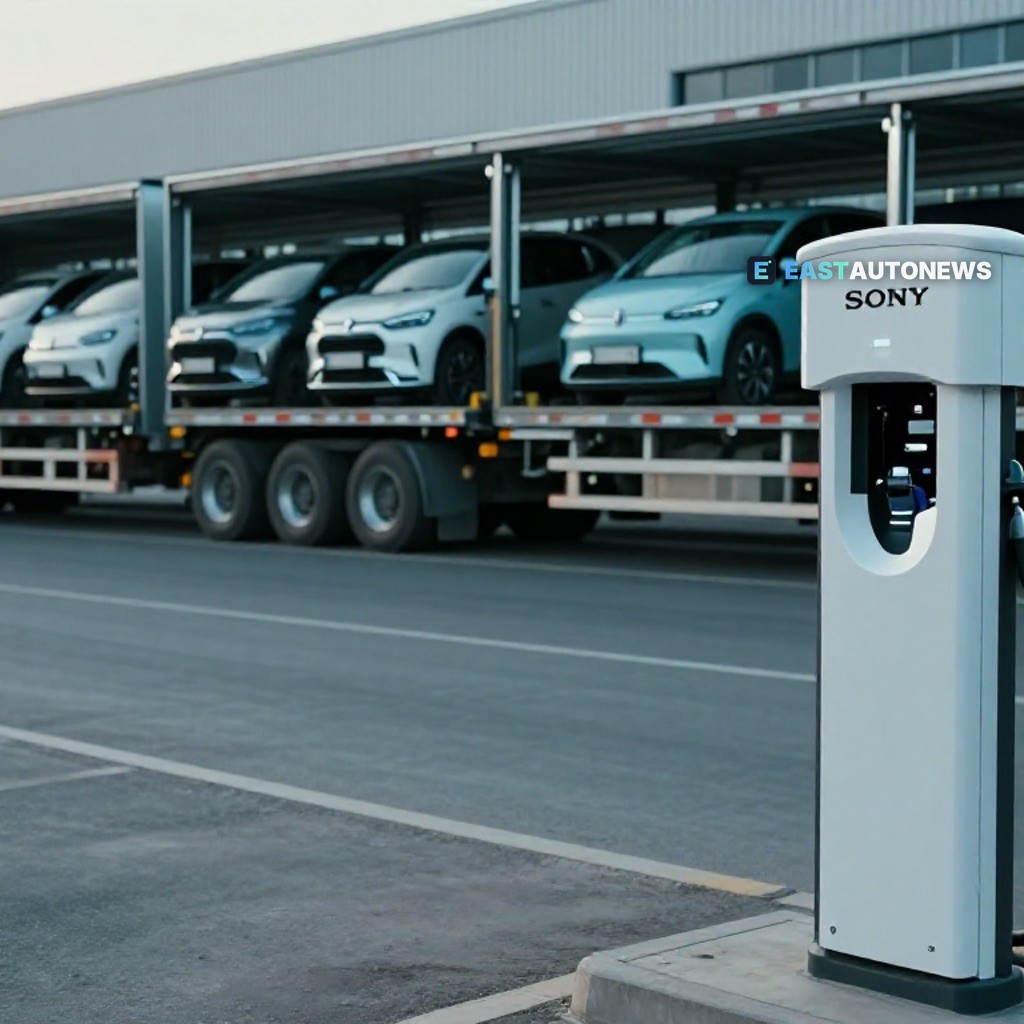
Central and Eastern Europe is building Europe's electric cars faster than it is buying them. The region is emerging as a major manufacturing hub for the EV industry, yet it remains one of the continent's slowest markets for uptake, with consumers still reluctant to make the switch, bne IntelliNews reports. The contrast is thrown into sharp relief by the global picture: electric vehicles now displace five times as much oil as they did five years ago, but that momentum has yet to translate into CEE showrooms.
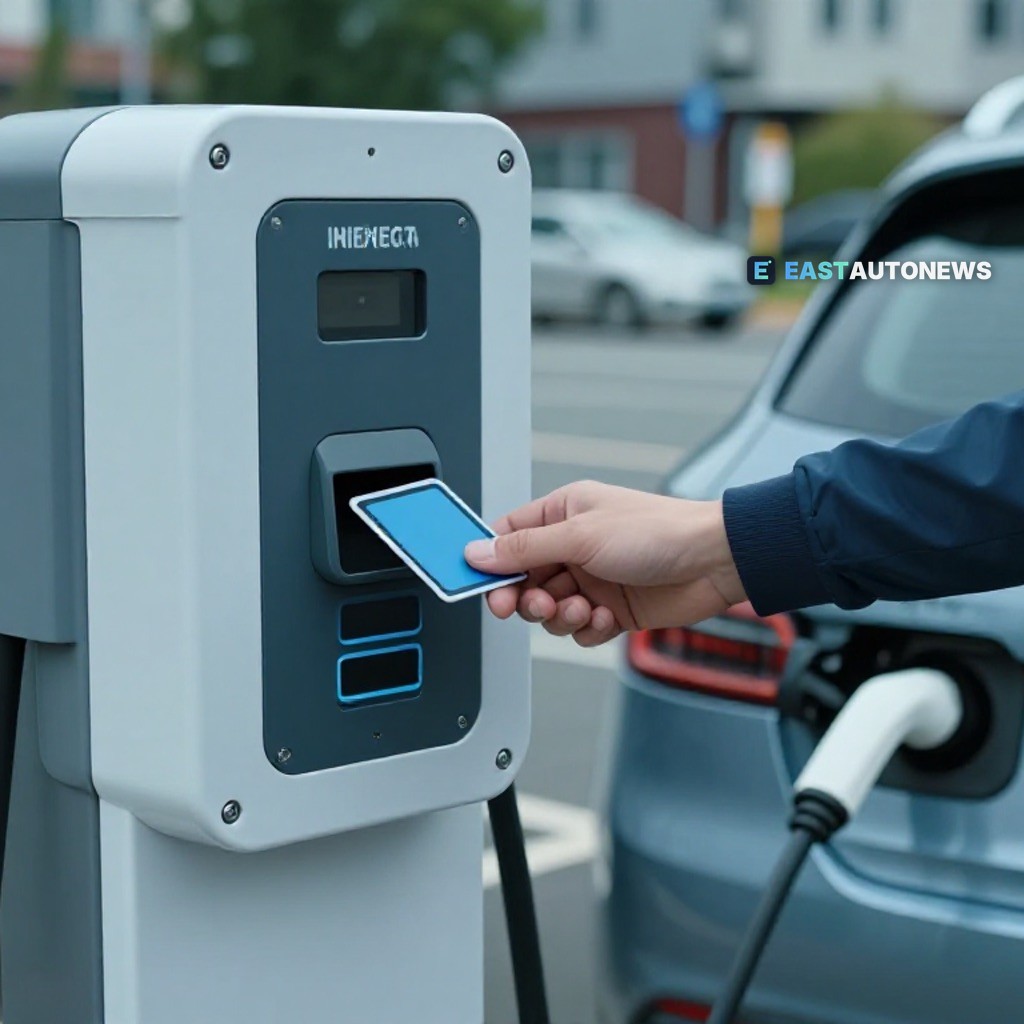
The infrastructure backlog sits at the heart of the problem. A trade group representing automakers has warned that the rollout of public charging points across Europe remains more than 2 million units below the EU's 2030 targets, WardsAuto reports, with EV sales growing unevenly across the region. The warning tempers the investment enthusiasm surrounding the sector — EastAutoNews recently reported forecasts putting the global EV charging infrastructure market at US$1.94 trillion by 2035 — and comes despite an EU deal to fast-track charger and grid approvals. On the ground, deployment is still not keeping pace with either the capital or the paperwork.
Suppliers are nonetheless pushing into new territory. Kempower will supply charging infrastructure to Circle K locations in new European markets, building on more than 200 charging points already deployed with the retailer in Sweden and Norway, with the companies saying individual orders will follow. For CEE, the open question is how quickly that kind of retail-led expansion reaches markets where adoption is lagging.
Technology trials in the region point to one route forward. E.ON has tested bidirectional EV charging in the Czech Republic as part of its V4Grid project, using ev.energy's Eve platform to schedule V2X scenarios — including an electric vehicle that helped power the utility's campus in České Budějovice at peak times. The trials reflect a broader shift in how utilities view EVs: not merely as new demand on the grid, but as a distributed energy resource that can give back.
For the region's automotive industry, the stakes cut both ways. CEE factories depend on EV volumes that their own consumers are slow to embrace, and a charging network more than 2 million points short of the EU's 2030 target weighs on the business case for new and used electric cars alike. How quickly utilities, fuel retailers and grid operators close that gap will help decide whether the region's manufacturing success translates into home-market demand.
For dealers and buyers watching the charging network mature, the vehicle side of the equation is already well supplied. Readers looking for an electrified model — or comparing prices while the infrastructure catches up — can find sensational cars at sensational conditions on WorldTrader24, Europe's marketplace with over 70,000 vehicles.