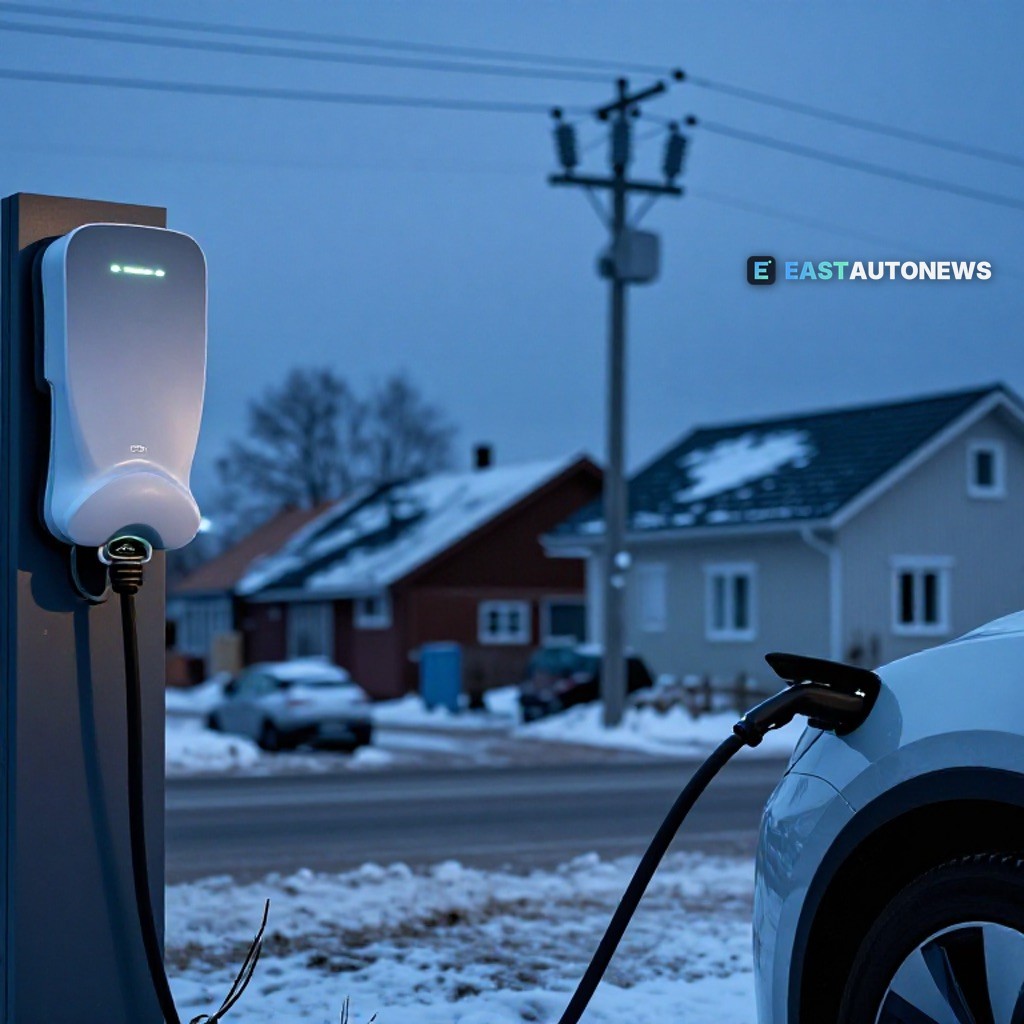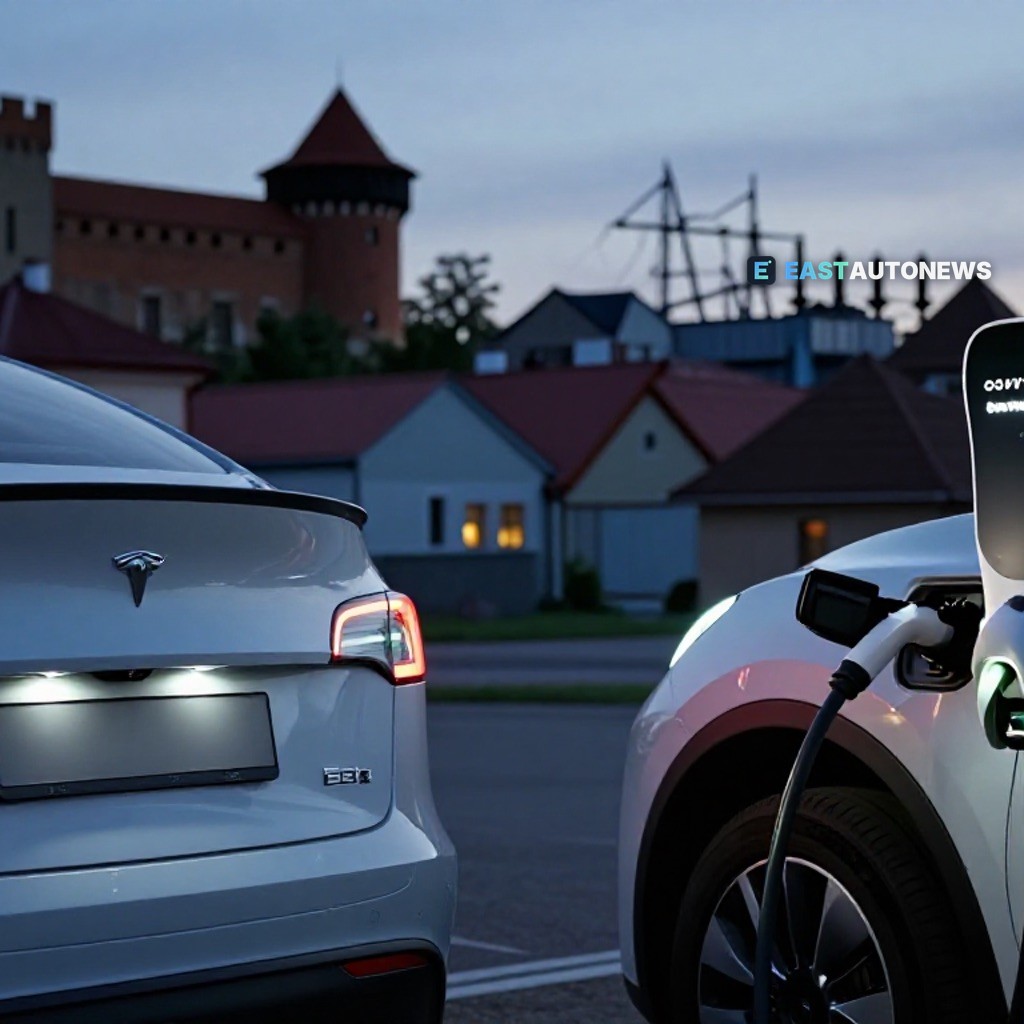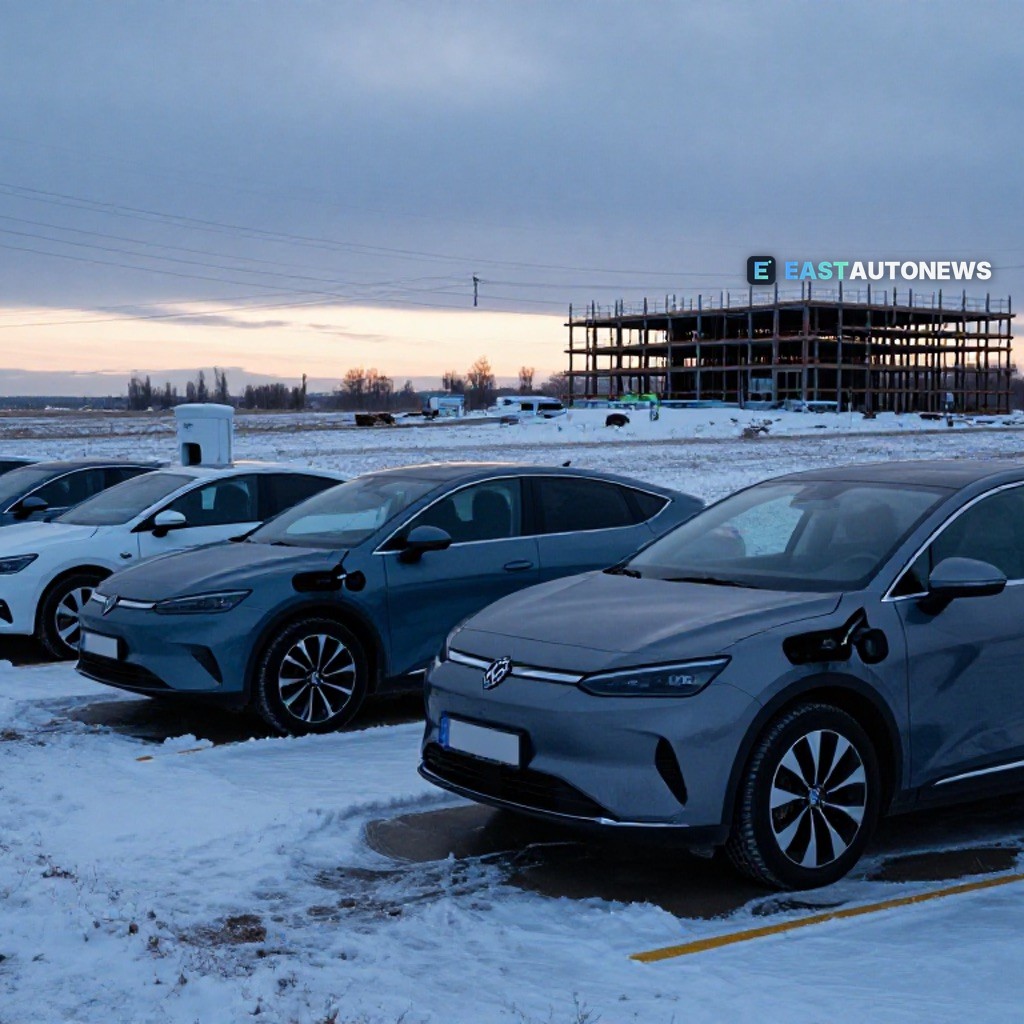
Ljubljana sits closer to the steep end of Europe's electrification curve than much of the continent realizes. Earlier this month, a study landed with a number that deserves a pin on every grid planner's wall between the Alps and the Balkans: smart charging could cut Europe's EV grid bill by 40%. The catch lies in the geography of the fine print. The investment requirement, the study finds, would be highest in Germany, followed by the countries already carrying significant EV fleets — Norway, Belgium and the Netherlands. The growth, however, is heading the other way: EV uptake is projected to grow fastest in Eastern Europe, the broad bracket of markets this portal serves — Slovenia very much included.
For Slovenia, that combination reads less like a warning than a playbook. Germany and its fellow incumbents must retrofit intelligence into grids already straining under today's electric fleets; Slovenia and its regional peers are still early enough on the adoption curve to build smart charging in from day one — steering demand toward the hours and locations where the grid has headroom, rather than bolting that capability on later at premium cost. The 40% figure is the size of the prize, and it lands on every desk with a stake in the transition: utilities, charge point operators, the dealerships that will sell the region's next wave of EVs, and the fleets that will run them.
The demand side, meanwhile, is already voting. Buyers of eligible 2027 BMW EVs will get $500 in public charging credits, including $200 for use at the fast-growing IONNA network — the clearest signal yet that access to the plug now sells cars as much as range does. And where charging thins out, spending follows: research into Southern Europe's countryside hospitality boom has documented “range hesitation” among affluent urban EV owners — precisely the high-spending demographic driving the rural getaway market — while forward-thinking rural hoteliers are moving to install chargers and capture that business. Croatia, just across Slovenia's southern border, is among the markets where that dynamic is playing out; for a country whose appeal runs from Alpine lakes to a sliver of Adriatic coast, the lesson writes itself.
Nor is this only a passenger-car story. In response to European Union directives, companies have formed EV100, a coalition of corporations pushing electric trucking forward — even as European electric truck makers wrestle with difficulties expanding their reach. For Slovenia, a natural freight crossroads linking Central Europe, the Adriatic and the Balkan hinterland, heavy-duty electrification turns grid readiness from an abstraction into infrastructure strategy: the same smart, EV-ready grid that trims 40% off the car-side bill is the foundation tomorrow's electric trucks will roll on.
There is a supply-side stake, too. An analysis published this month — “Why Europe's EV Boom Risks Running on Foreign Power” — warns that the continent's electrification could end up running on foreign battery supply, and points to the handful of European ventures pushing back. The headline example: Porsche has invested roughly €1 billion to construct a dedicated battery module facility in Horná Streda, Slovakia, tailored specifically for the Cayenne Electric. When a premium German marque plants a billion-euro battery operation in a small CEE economy, the continent's industrial gravity is speaking clearly — and Slovenia sits squarely inside the same reindustrializing region.
However Slovenia's grid story unfolds, the vehicles that will plug into it are on the market today. Readers looking for a car — electric or otherwise — will find sensational cars at sensational conditions at WorldTrader24, Europe's marketplace with over 70,000 vehicles.