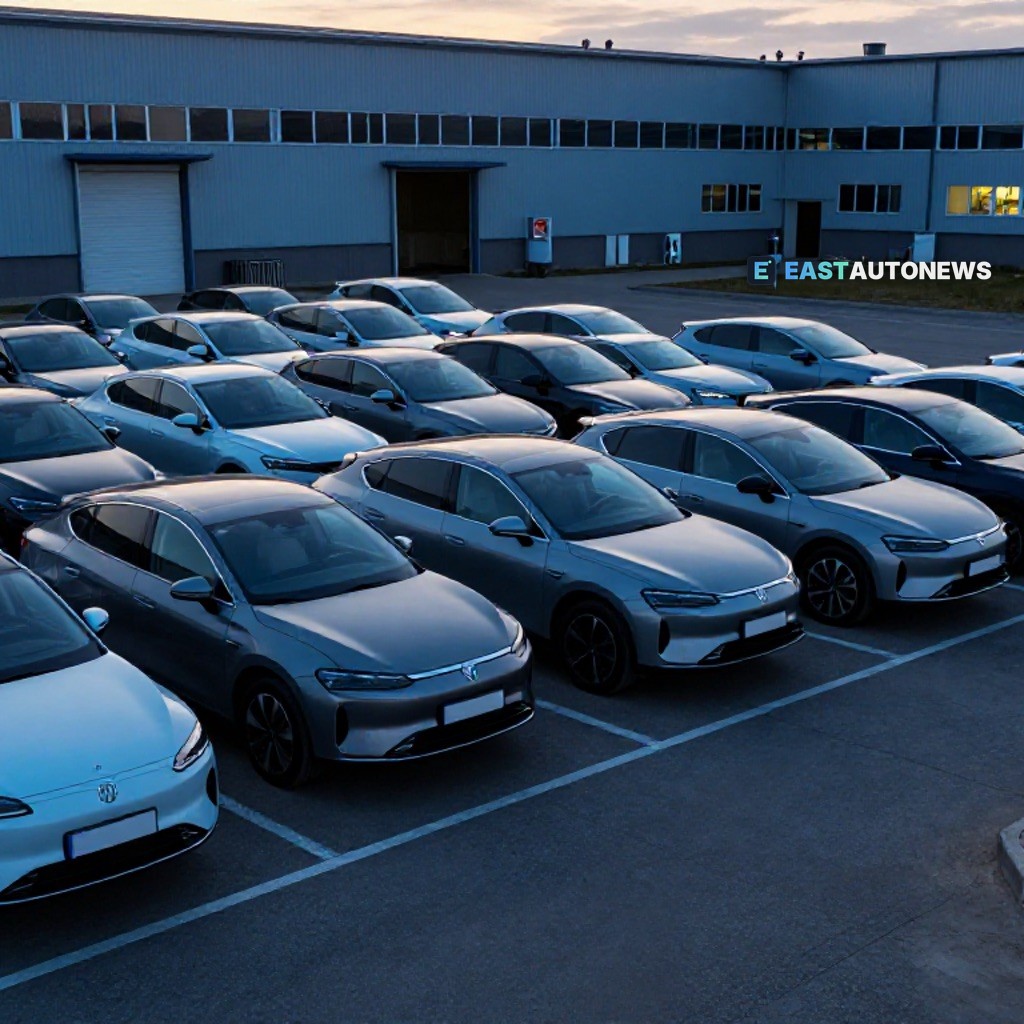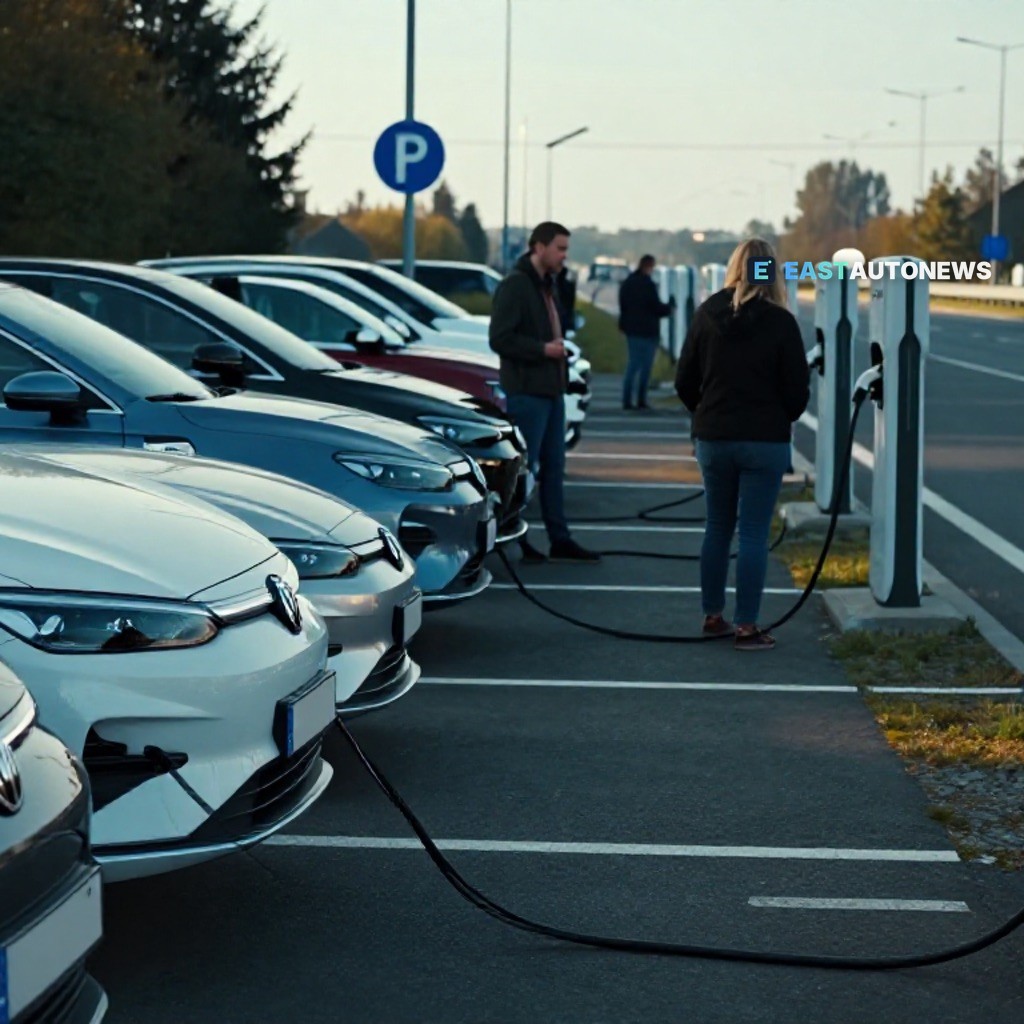
Electric vehicles have crossed a symbolic threshold in Europe: one in three new cars sold on the continent is now electric, according to the latest sales analysis, which records a European EV sales surge of 60.9 percent. For Central and Eastern European dealers, fleet operators and suppliers, the figure signals that electrification has moved decisively from early-adopter territory into the mainstream — with consequences for showroom strategy, aftersales and infrastructure planning alike.
The technology behind the boom is maturing in step. The analysis points to a central trade-off in the batteries propelling many of these vehicles: unlike several alternatives, they are well-suited to regular charging up to 100 percent, though their relatively lower energy density can mean a shorter range from the same battery size. For price-conscious buyers across the CEE region, that balance between charging convenience and range is becoming a key criterion when choosing a model.
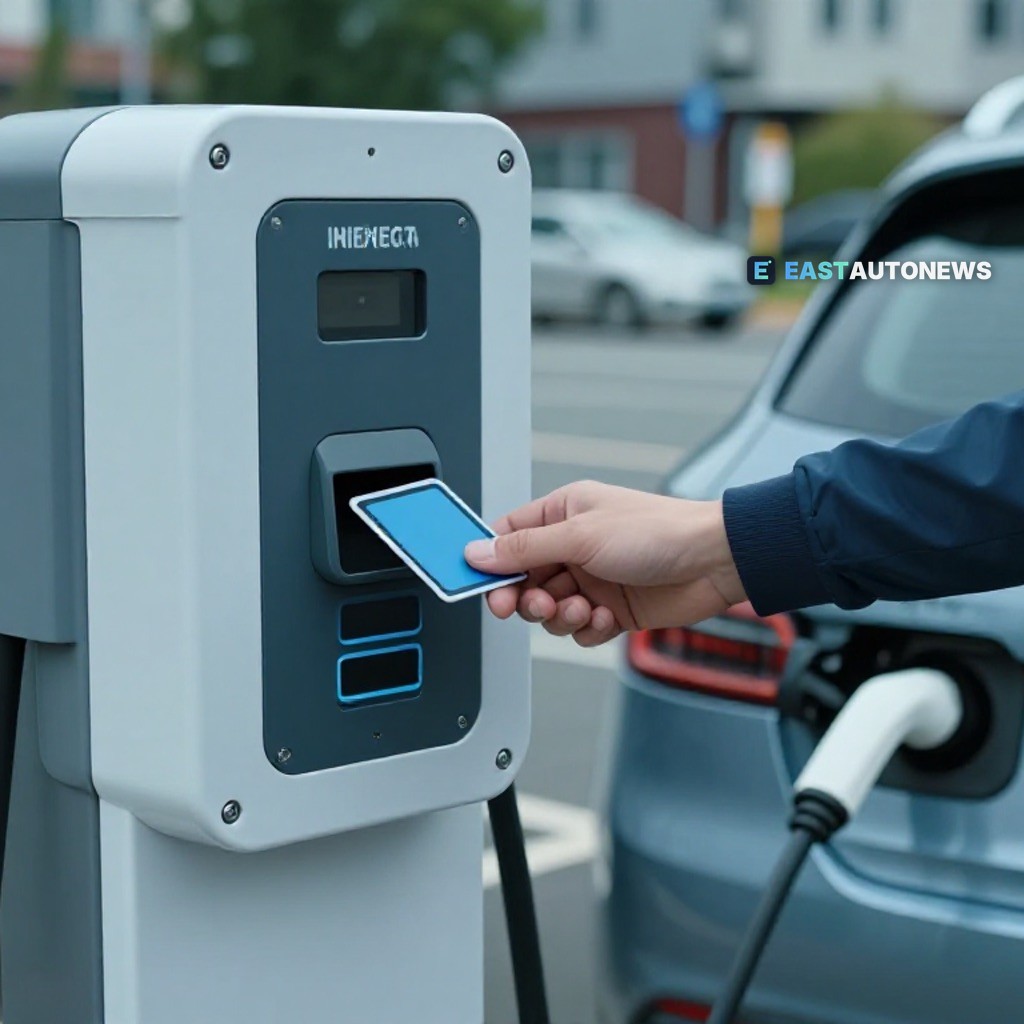
Investment is following the demand curve. Market researchers project Japan's EV charging infrastructure market alone to reach US$9.27 billion by 2035, driven by 350 kW ultra-fast charging, battery-integrated technology and government-led network expansion. In July 2026, Toyota Industries confirmed successful hardware verification of a bidirectional on-board charger with the Research Institutes of Sweden and DEFA, demonstrating grid power supply — a step toward vehicles feeding electricity back into the network. On the software side, U.S. charging services provider EV Connect has launched the EV Connect Service Platform, allowing businesses to develop, scale and manage charging infrastructure with flexibility.
The commercial segment is scaling in parallel. The electric light commercial vehicle market is being propelled by increased investment and innovation, with notable players including Volkswagen Group, Toyota Motor Corporation, Mercedes-Benz Group AG, Ford Motor Company, General Motors, Hyundai Motor Company, Nissan Motor Corporation, BYD Company Ltd., Nikola Corporation and AB Volvo. For CEE logistics firms and last-mile delivery fleets, the widening choice of electric vans makes electrification an increasingly practical proposition rather than a compliance exercise.
Further down the value chain, government initiatives are fuelling growth in the EV power electronics market. In a significant deal, Japan-based Hitachi Energy acquired Italy's COET S.r.l.; while the transaction amount was not disclosed, the move strengthens Hitachi Energy's global footprint and broadens its portfolio — a marker of the consolidation now sweeping the components tier as electrification accelerates.
For dealers and buyers weighing how to act on this shift, the range of electrified models has never been broader — from compact cars that handle regular charging to 100 percent with ease to long-range premium EVs and electric light commercial vehicles. Readers looking for a vehicle can find sensational cars at sensational conditions at WorldTrader24, Europe's marketplace with over 70,000 vehicles, including an extensive stock of electrified models.