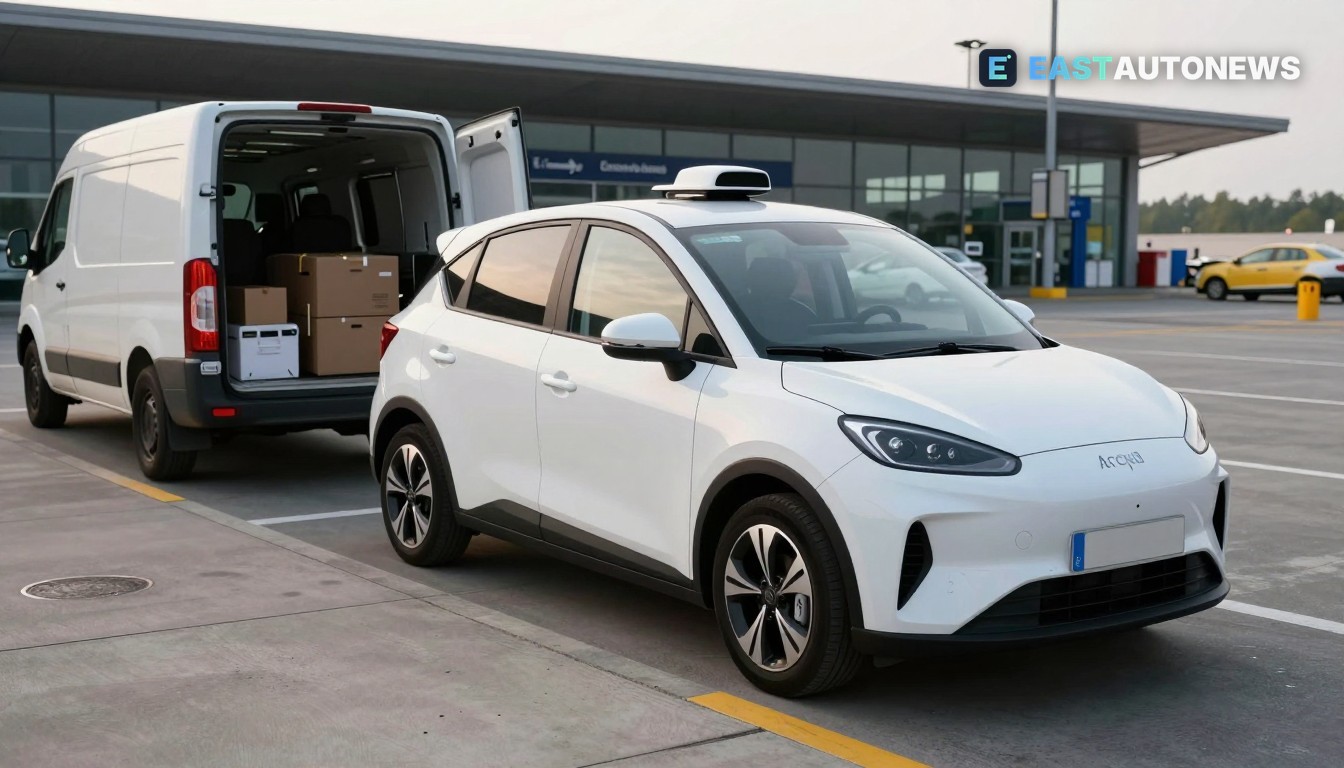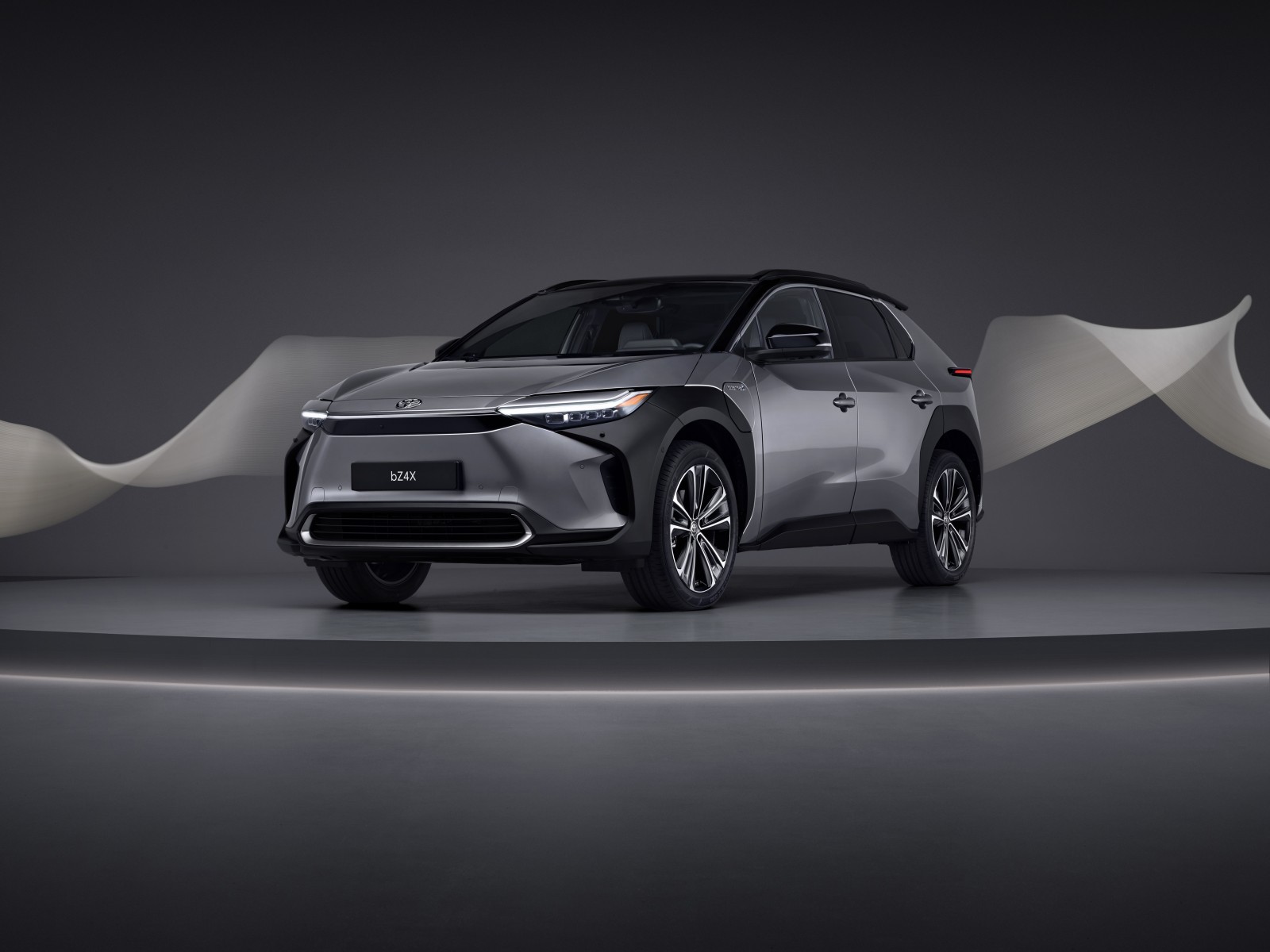
Pony.ai and Toyota announced on 16 November 2026 that their jointly developed Gen‑7 bZ4X Robotaxi has entered fully driverless commercial service in Guangzhou, China. The companies said the model is now hailable 24/7 through Pony.ai’s apps and partner platforms, and that production is ramping toward a planned fleet of around 1,000 vehicles for major Chinese cities.
What the announcement says
The Pony.ai press release states the bZ4X Robotaxi was developed for Level‑4 operation and that “the first mass‑produced vehicle rolled off the line in February 2026.” It adds the partners expect to expand deployment as production ramps up and to build supporting infrastructure for charging, maintenance and fleet operations.
Pony.ai’s Vice‑President Dr Luyi Mo was quoted in the release: “Bringing the bZ4X Robotaxi into commercial service demonstrates what can be achieved by combining Pony.ai’s proven Level‑4 autonomous driving technology with Toyota’s world‑class vehicle engineering and manufacturing expertise.” The statement underlines the tie between autonomous‑software developers and large OEMs in moving from prototypes to mass‑producible robotaxi hardware.
Why CEE should care
Pony.ai already operates and tests robotaxi services outside China, and has been active in Europe’s early deployments and trials — notably programmes that enabled fully driverless test rides in cities such as Zagreb earlier this year — so the firm’s scaling in China matters for European fleet players, suppliers and regulators watching the global competitive landscape.
What this means for the market
For Central and Eastern Europe the immediate consequences are practical and strategic. First, suppliers in CEE who make vehicle hardware, thermal management, sensors, wiring harnesses and other components could see demand shift as OEMs and robotaxi operators prefer parts and service partners able to guarantee high‑volume, fail‑operational systems to support Level‑4 fleets. Pony.ai’s emphasis on productionised vehicles and fleet maintenance highlights that robotaxi rollouts need industrialised supply chains, not only R&D prototypes.
Second, OEMs and mobility operators in the region will be benchmarked against the new mass‑production examples: a scaled, OEM‑backed robotaxi (Toyota) plus a commercial AV operator (Pony.ai) sets a cost, safety and operations bar that regional assemblers and suppliers must meet if they want to participate in future robotaxi or automated‑logistics programmes. Finally, the move reinforces the geopolitical reality of a two‑track market: large‑scale robotaxi deployments may concentrate where production, regulatory approvals and digital infrastructure align — a dynamic that will shape where CEE investment and testing activity lands.
The Pony.ai release is explicit that this milestone is part of a broader commercial push: the partners say they are preparing further city deployments and scaling fleet numbers as production rises. That commercialisation timeline will be watched closely by European regulators, OEMs and suppliers that aim to win work on autonomous fleets or to adapt existing plants and services.
Electric cars listings on WorldTrader24 →
Sources: Pony.ai press release, Connected Automated Driving