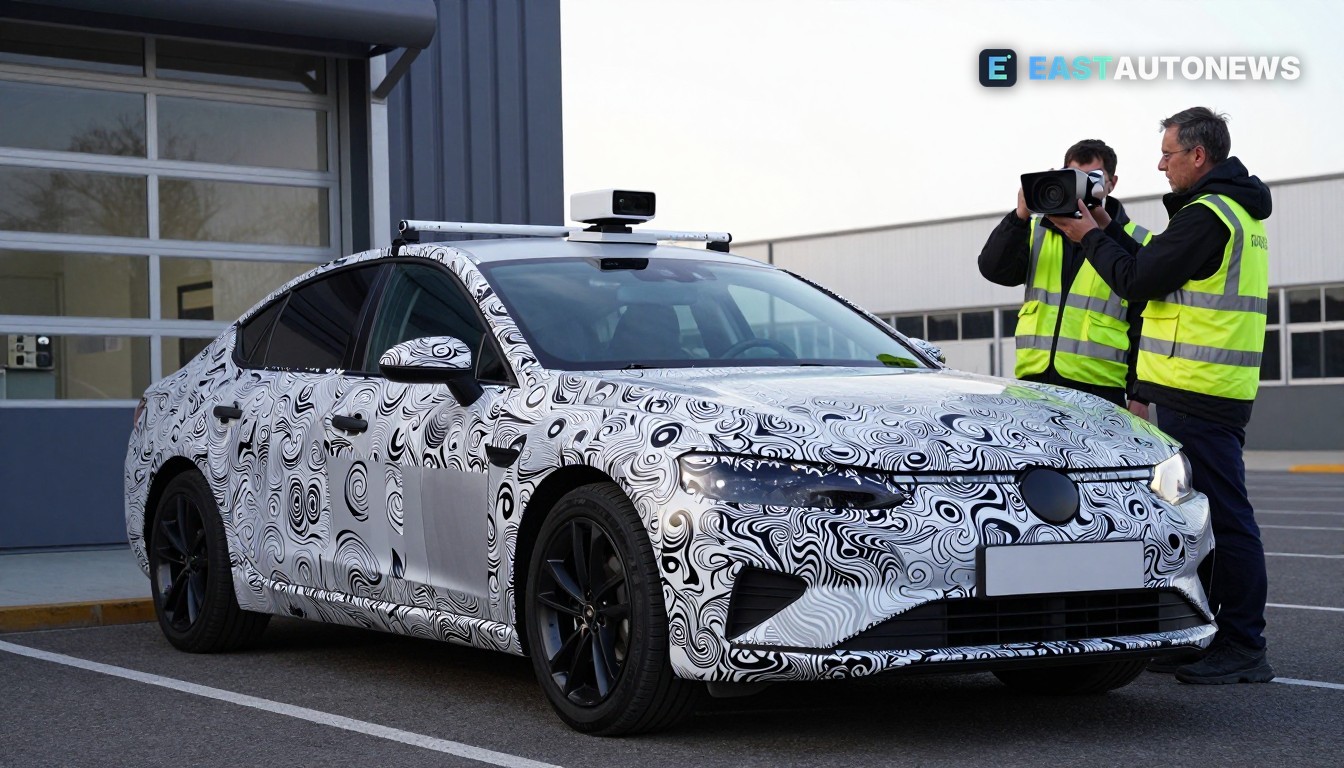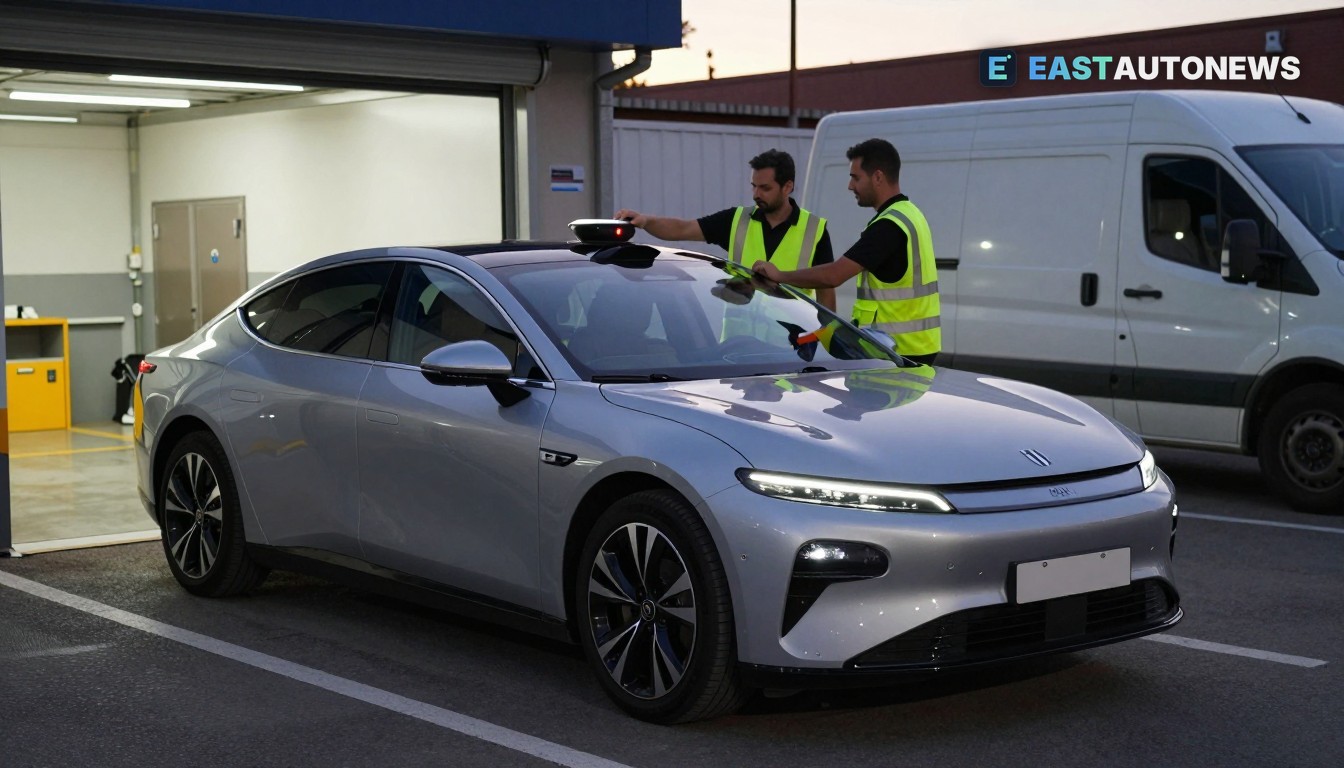
Estonia‑born ride‑hailing group Bolt has picked NVIDIA’s Alpamayo autonomous‑driving software, running on NVIDIA’s Hyperion compute and sensor reference architecture, as the driving stack for its planned European robotaxi programme. NVIDIA said the collaboration — announced at GTC Berlin — will begin with a Madrid data‑collection programme in 2027 and will be adapted for multiple vehicle makers, starting with future Lucid cars.
The announcement in brief
NVIDIA’s Oct. 21, 2026 press release describes Alpamayo as a full‑stack “reasoning AI” driving system that works with the Halos safety framework and new Alpamayo 2 Edge and Cosmos tools for simulation and dataset generation. NVIDIA said partners including Bolt, Volvo Cars and Volkswagen Commercial Vehicles are building use cases on Hyperion and Alpamayo. Jensen Huang, NVIDIA’s founder and CEO, said robotaxis are “the first mass‑market application of robotics and physical AI,” in the company release.
Bolt’s own newsroom and coverage by independent outlets confirm the operational detail: Bolt plans to start gathering real‑world driving data in Madrid in 2027, subject to regulatory approval, and named Germany and France as priority follow‑on markets. The initial programmes are for data and validation rather than immediate public driverless rides. Reports note Bolt has discussed an initial fleet scale of at least 25,000 Lucid‑built vehicles in Europe (as part of its partnerships) and has also set a longer‑term target of up to 100,000 autonomous vehicles across its platform by 2035.
What this means for the market
The deal tightens the commercial relationship between mobility platforms and large AI‑compute suppliers and will matter to Central and Eastern Europe because Bolt is headquartered in Tallinn and operates extensively across the CEE region. Suppliers of sensors, cameras, compute modules, and integration services — already pursuing Hyperion‑compatible solutions — can expect new opportunities as operators prepare validation fleets and adapt software to local roads and regulations. NVIDIA’s announcement explicitly names tier‑one partners such as Aptiv, Valeo and Schaeffler as building Hyperion‑based computing and sensor solutions, signalling that hardware and systems suppliers will be central to rollout plans.
For CEE vehicle and component makers the immediate implication is demand for integration and validation work rather than mass vehicle assembly. Madrid’s 2027 data‑collection programme will require local workshop capability for sensor installation, calibration and data extraction, plus certified safety processes to support Halos‑style evidence‑generation used in type‑approval and regulator engagement. That creates near‑term service and supplier opportunities across logistics hubs and electronics manufacturers in the region.
Bolt’s broader autonomy strategy is multi‑pronged: it is running separate pilots with Pony.ai and Stellantis (including Luxembourg testing) while building the Bolt‑owned fleet and operations model. That means multiple AV tech stacks and suppliers may coexist on Bolt’s platform — a dynamic that could benefit CEE firms able to integrate software and hardware for different stacks.
WorldTrader24 VW models and offers →
Sources: NVIDIA, Bolt, Electrek, Driverless.news