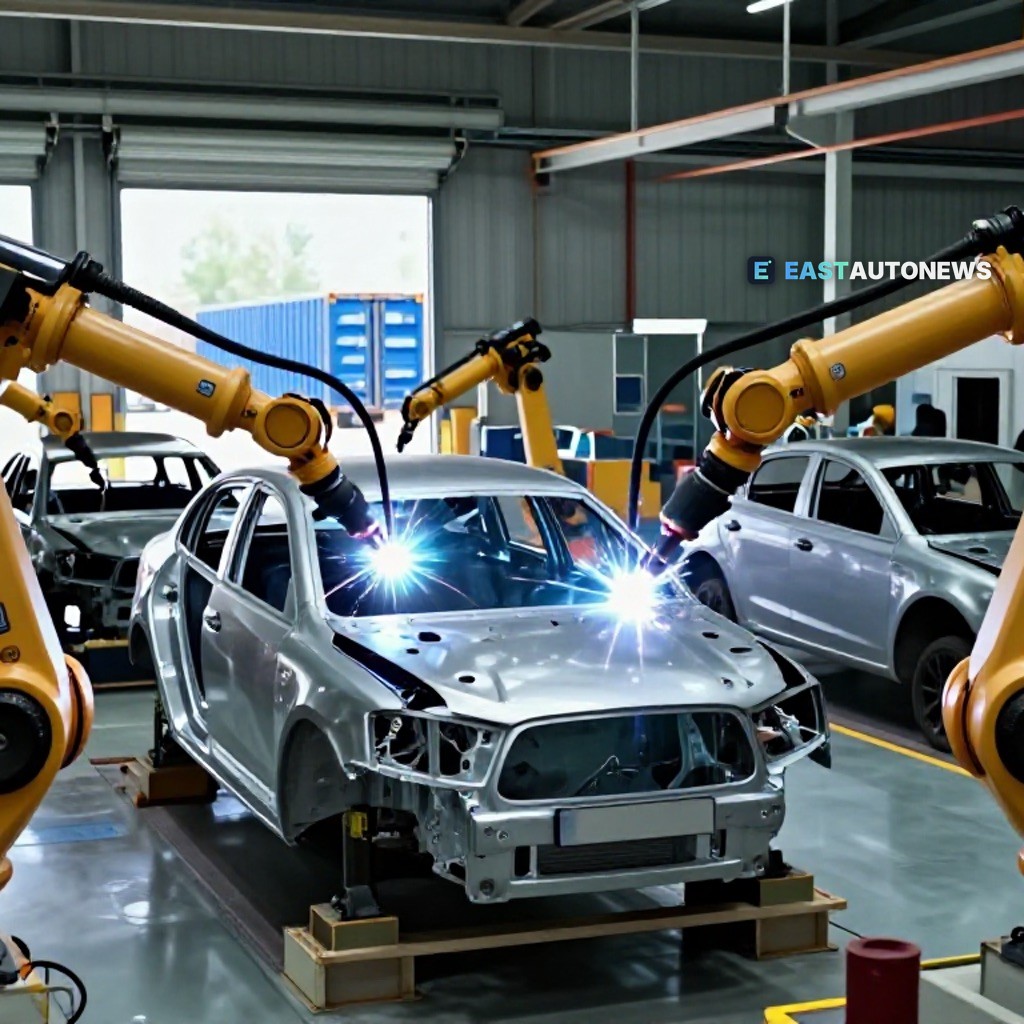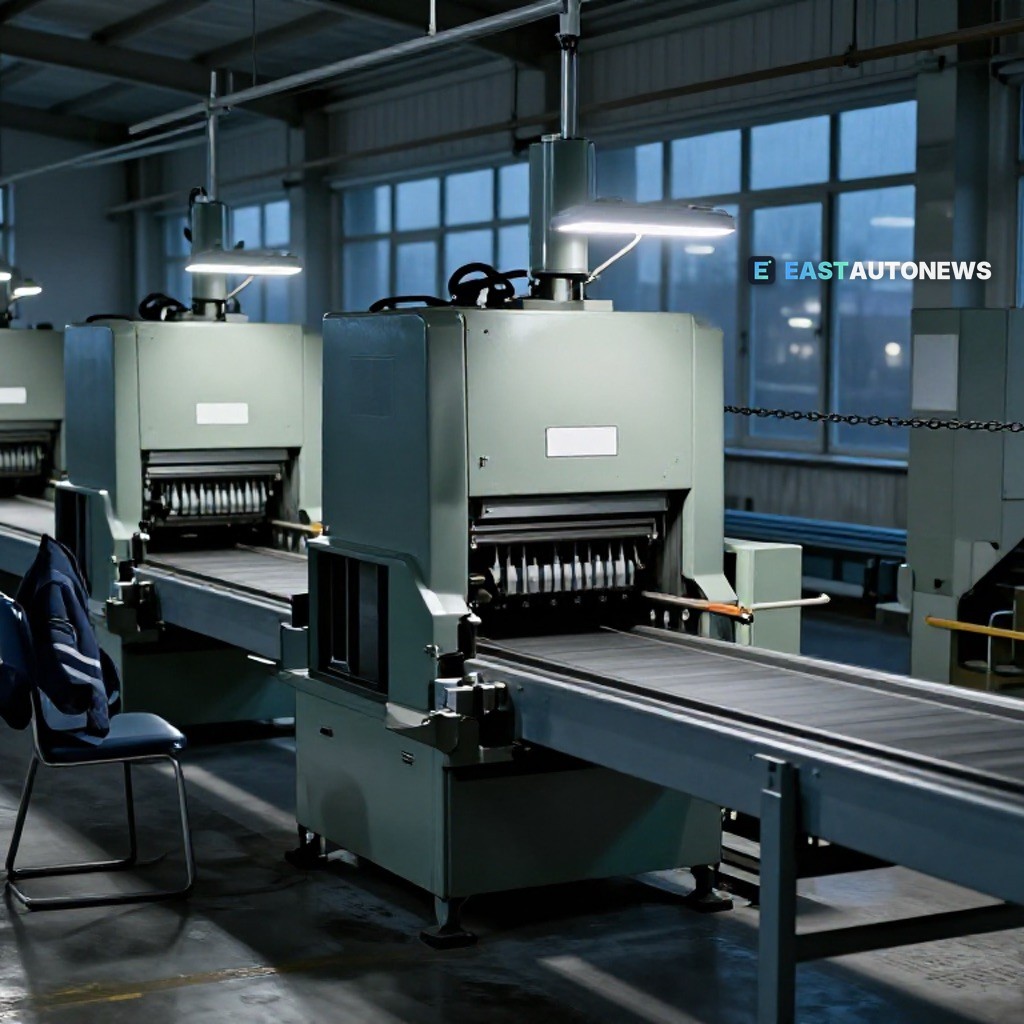
Automotive supplier WKW has announced that it will end its activities in Hungary, drawing a line under nearly 20 years of operation in the country. The decision, communicated in early September by the company in Győr, makes WKW one of the most high-profile names in a wave of industrial shutdowns now mounting across Hungary.
The supplier's exit is far from an isolated case. A major cannery is facing bankruptcy as shutdowns pile up across Hungarian industry — a sign that the pressure extends well beyond automotive supply chains. Hungary's post-transition industry was shaped by joint ventures that often left the Hungarian side with little control, a legacy that weighs on moments of retrenchment like this one. "These were very, very unfavorable agreements where the foreign companies held 51%, and the Hungarian state held 49% with very little decision-making power," noted Zsuzsa Delikat, head of research at the Hungarian holding.
The Hungarian retrenchment unfolds against a shifting map of global vehicle production. Asian carmakers are moving production toward key overseas markets, a shift that could soften the impact of declining steel demand among automotive suppliers in Europe and the United States, according to IndexBox. BYD illustrates the trajectory: the Chinese group began selling passenger electric cars in Thailand in October 2022 through a partnership with local company Rêver Automotive, and in 2023 announced plans to construct a new electric vehicle manufacturing plant.
Not all of the industrial news is about retreat, however. BAE Systems has been awarded $6 billion in contracts to supply more than 400 CV90s to five European countries, with suppliers across those five countries set to build vehicles and components — spreading production and technical expertise across the region. For component makers, such programmes show that demand is being redistributed across sectors and borders rather than simply disappearing.
For Central and Eastern Europe's supplier networks, the resulting picture is one of redistribution: automotive volume is drifting toward new production locations, defence contracts are spreading work across borders, and long-standing footprints such as WKW's in Győr are being wound down. Dealers and fleet buyers who track these shifts increasingly turn to pan-European online platforms to compare availability and pricing, and marketplaces such as WorldTrader24 have become a natural first stop for sourcing stock across the continent.
The practical lesson for buyers is that when production footprints shift, availability and prices shift with them — making cross-border comparison more valuable than ever. Readers looking for a vehicle can find sensational cars at sensational conditions at WorldTrader24, Europe's marketplace with over 70,000 vehicles.