On November 11, 2026 the Autoware Foundation and Japan’s TIER IV released AutoE2E and a suite of open-source end‑to‑end (E2E) autonomous‑driving models intended to scale from L2++ driver assistance to future L4 robotaxi applications. The code and v1.0 checkpoints are published under permissive licences on GitHub and Hugging Face.
What was released
The package includes AutoE2E (79.9 million parameters) and several companion models: METEOR (16 million parameters) aimed at private passenger cars, and integrations of larger vision‑language‑action models such as NVIDIA’s Alpamayo 2 Edge (about 2 billion parameters) adapted for Autoware. AutoE2E already posts an open‑loop validation score — an average displacement error (ADE) of 0.744 metres on the KITScenes‑Multimodal benchmark — while closed‑loop, real‑vehicle testing is ongoing.
According to TIER IV, the Autoware 2.0 architecture combines AI models with conventional rule‑based modules so developers can mix and match camera‑only, LiDAR, radar and HD‑map configurations depending on cost and performance requirements. TIER IV says the releases include GitHub source trees and model weights on Hugging Face to help OEMs and suppliers evaluate integrations on different compute platforms.
What this means for the market
Open‑source E2E models reduce entry costs for companies that cannot or do not wish to build closed proprietary stacks from scratch — a practical advantage for Central and Eastern European OEMs, tier‑one suppliers and specialist software houses that already supply EU vehicle programmes. By publishing models and reference integrations, the Autoware Foundation and TIER IV give European teams a shorter path to in‑house testing, SoC optimisation and regulatory validation workflows.
For suppliers in CEE — camera and radar makers, Tier‑1 electronics houses, and testing labs — the releases create concrete opportunities to benchmark silicon, evaluate safety layering (for example pairing a small E2E model with a LiDAR‑based safety monitor), and offer integration services to OEM projects. TIER IV’s founder Shinpei Kato noted: “Advances in E2E autonomous driving are fundamentally changing how autonomous driving systems are developed.”
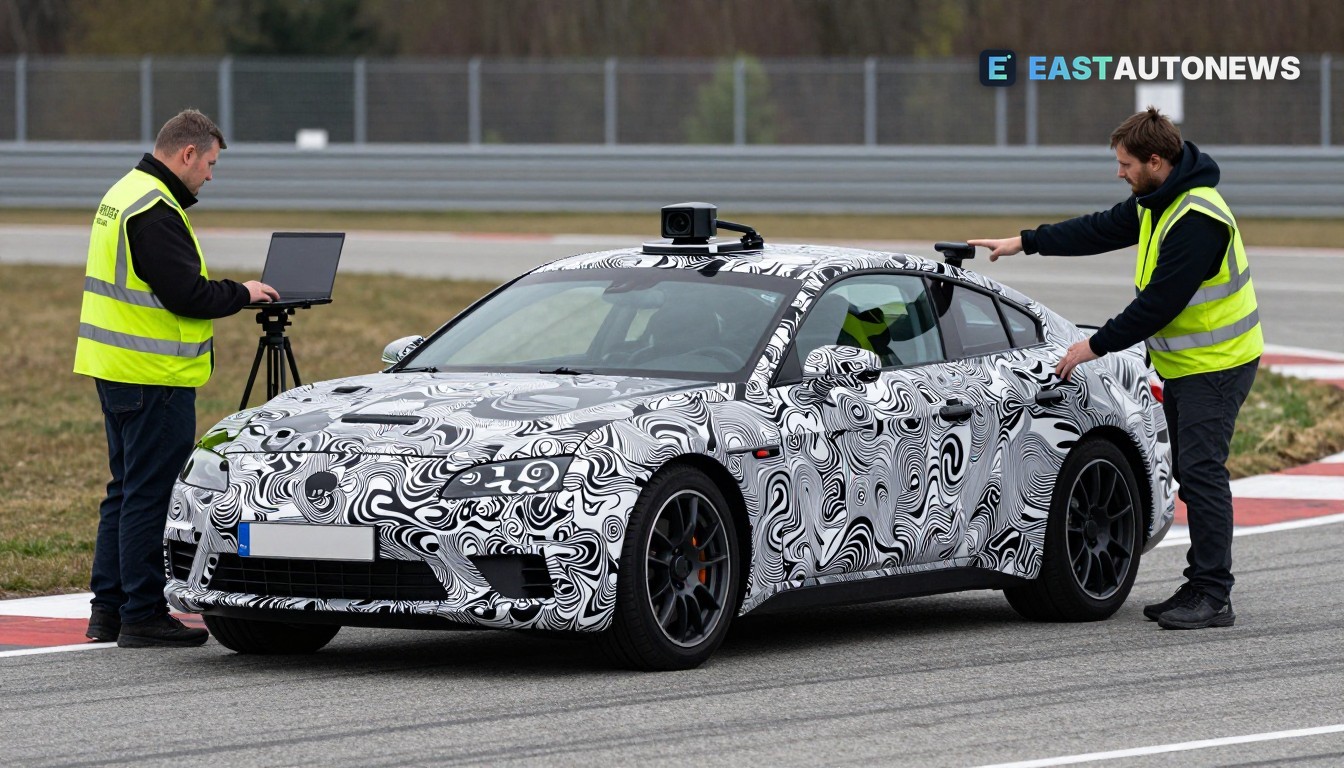
Regulatory and validation implications are immediate: open models let test centres reproduce behaviours and accelerate validation cycles, but they also oblige companies that use the models to demonstrate safety, data governance and supply‑chain traceability under EU rules. Autoware and TIER IV stress that commercialization steps — including automotive SoC optimisation and closed‑loop on‑road trials planned for 2027 — remain necessary before L4 claims can be made.
In short: AutoE2E and the Autoware 2.0 ecosystem lower technical barriers and widen supplier opportunities across CEE, but they also shift the work onto local engineering teams and test providers to harden, certify and integrate models into production processes.
Ready-to-buy vehicles on WorldTrader24 →
Sources: TIER IV, Autoware Foundation, SDV Sector