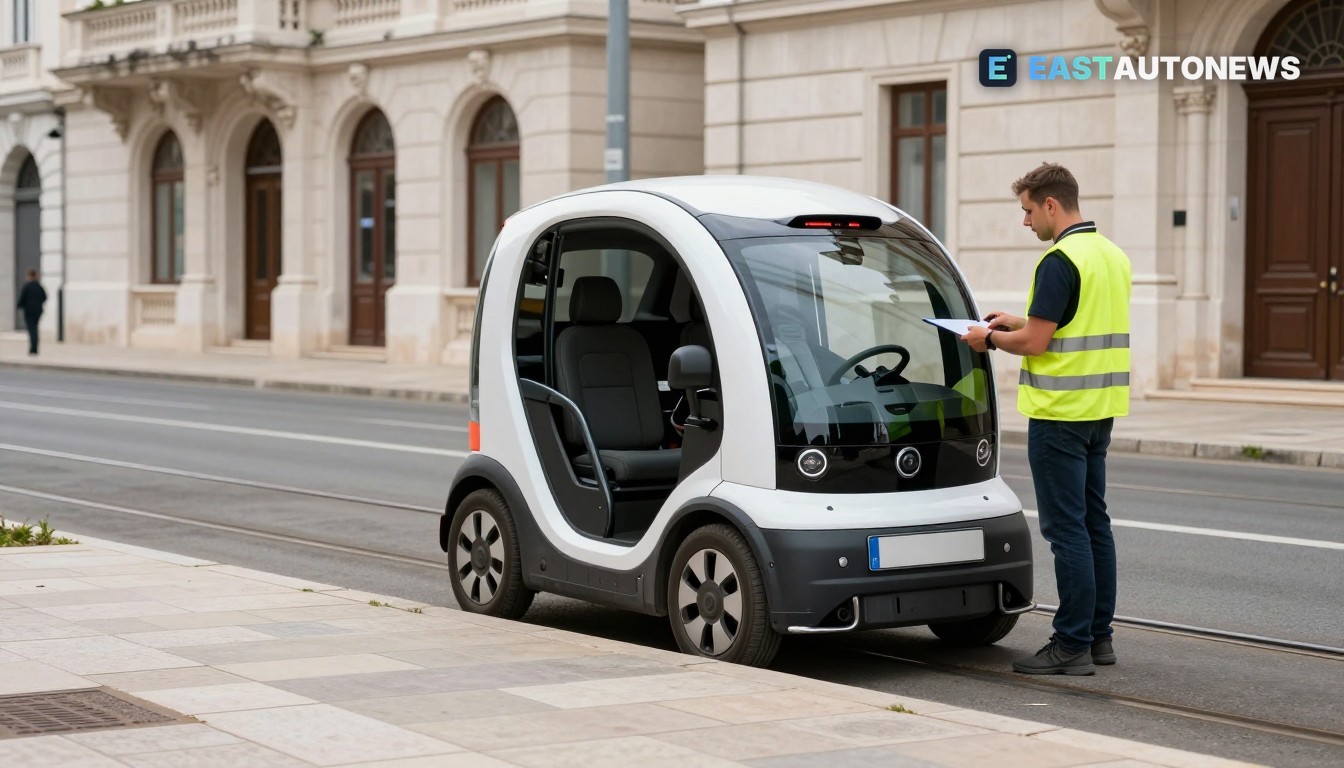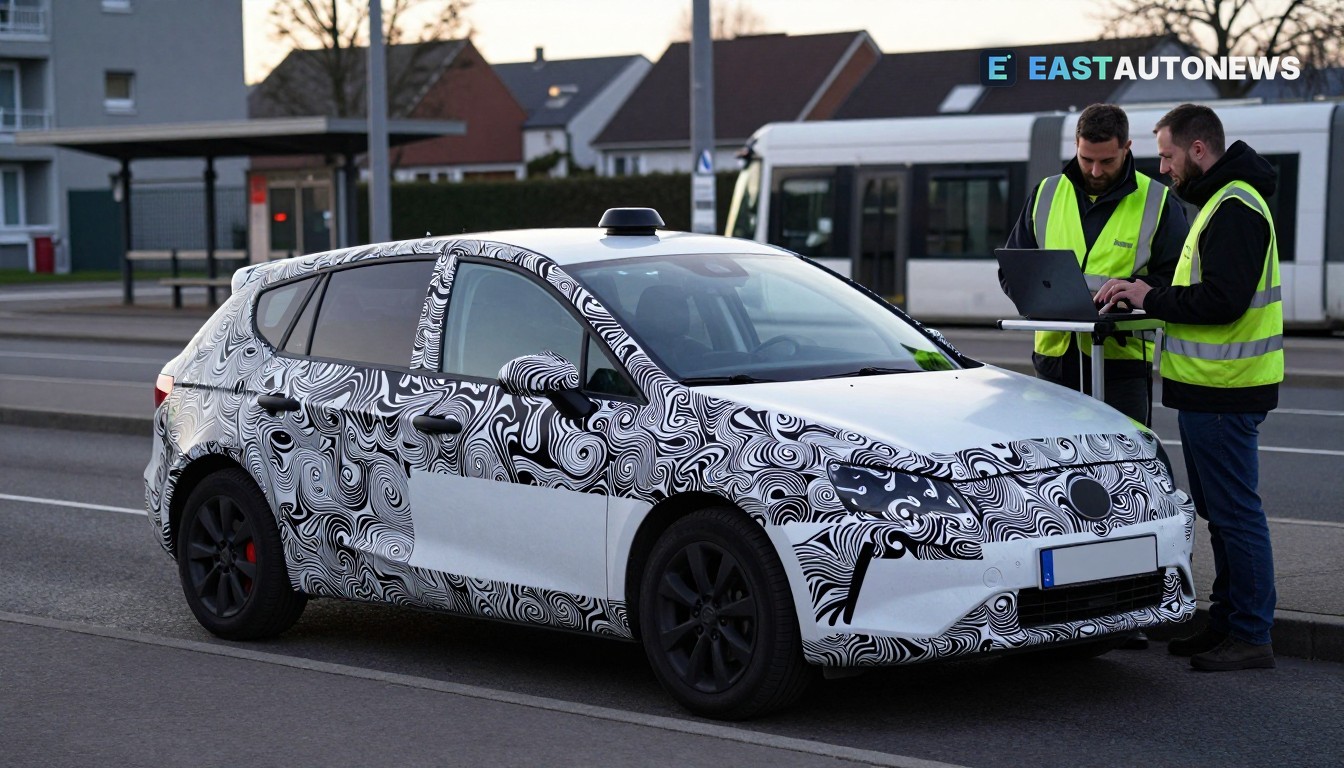
Bolt, Stellantis and the Métropole du Grand Paris have submitted a proposal called the "Greater Paris Autonomous Driving Living Lab" to the European Commission’s ADACities initiative, aiming to start autonomous vehicle trials from 2028. The consortium says an initial pilot would cover up to five municipalities in north‑west Greater Paris, with the potential to expand to more than 30 municipalities by 2030.
The plan assigns different roles: the Métropole du Grand Paris will coordinate with local authorities, Bolt will handle service integration and operating planning, and Stellantis will provide vehicles built from its Level‑4‑ready platforms. The proposal names Pony.ai as a potential autonomy supplier and expects NVIDIA’s Hyperion computing stack and Halos safety system to support the technical solution. The partners frame the project as a test of how driverless cars could complement public transport for first/last‑mile links, off‑peak trips and event travel.
Testing, timeline and regulatory path
The consortium’s submission (announced 19 November 2026) sets a cautious schedule: trials from 2028 and an ambition to evaluate whether commercial operations could be feasible by 2030, subject to regulatory approvals and the pilot’s safety and acceptance results. The project will be assessed under the EU ADACities framework, which aims to coordinate city‑scale autonomous driving pilots across member states.
Greater Paris is one of Europe’s largest metropolitan transport markets — the Métropole du Grand Paris comprises 130 communes and had a population of about 7.19 million in the 2026 official figures — giving the pilot a large and complex urban environment for validation.
What this means for the market
For Central and Eastern Europe the announcement matters because Stellantis already operates substantial manufacturing and supplier networks in the region — notably vehicle and engine facilities in Poland and component sites that feed European production — so decisions about vehicle platforms, compute stacks and supplier selection will affect demand for CEE suppliers and engineering teams.
More broadly, the project highlights two technology trends that will influence CEE suppliers: (1) automaker-led services that bundle vehicles, software and operations (Bolt + Stellantis), and (2) reliance on large AI/compute stacks and safety ecosystems (NVIDIA Hyperion / Halos and specialist autonomy suppliers such as Pony.ai). Components in scope include perception sensors, safety‑rated compute and redundant actuators — areas where Central and Eastern European suppliers and contract manufacturers could win new contracts if they meet automotive safety and cybersecurity standards. The consortium’s choice of platform vendors will also shape which software and semiconductor suppliers become procurement priorities across Stellantis’ European supply chain.
Industry observers should watch three near‑term milestones that will matter to CEE suppliers and engineering centres: whether the ADACities bid receives EU backing, the exact vehicle and compute suppliers selected for the pilot, and the content of safety and data‑localisation requirements in local permits. Where those outcomes favour European or on‑shore partners, CEE manufacturing and system‑integration businesses could capture a larger share of autonomy supply chains; where they favour non‑European providers, much of the value created by pilots may flow elsewhere. (This is an inference based on the consortium roles and Stellantis’ regional footprint.)
Whether the Greater Paris Living Lab becomes a model for other large European cities will depend on its regulatory approvals and the pilot’s operational record. For Central and Eastern Europe, the project is a reminder that the transition to vehicle‑software services will be decided as much by platform and supplier choices as by factory output — and that those choices will create new opportunities for well‑prepared suppliers across the region.
Immediate vehicle listings on WorldTrader24 →
Sources: Robotics & Automation News, AVwhere, French Ministry of Territorial Cohesion (collectivites‑locales.gouv.fr), MarkLines/EMIS