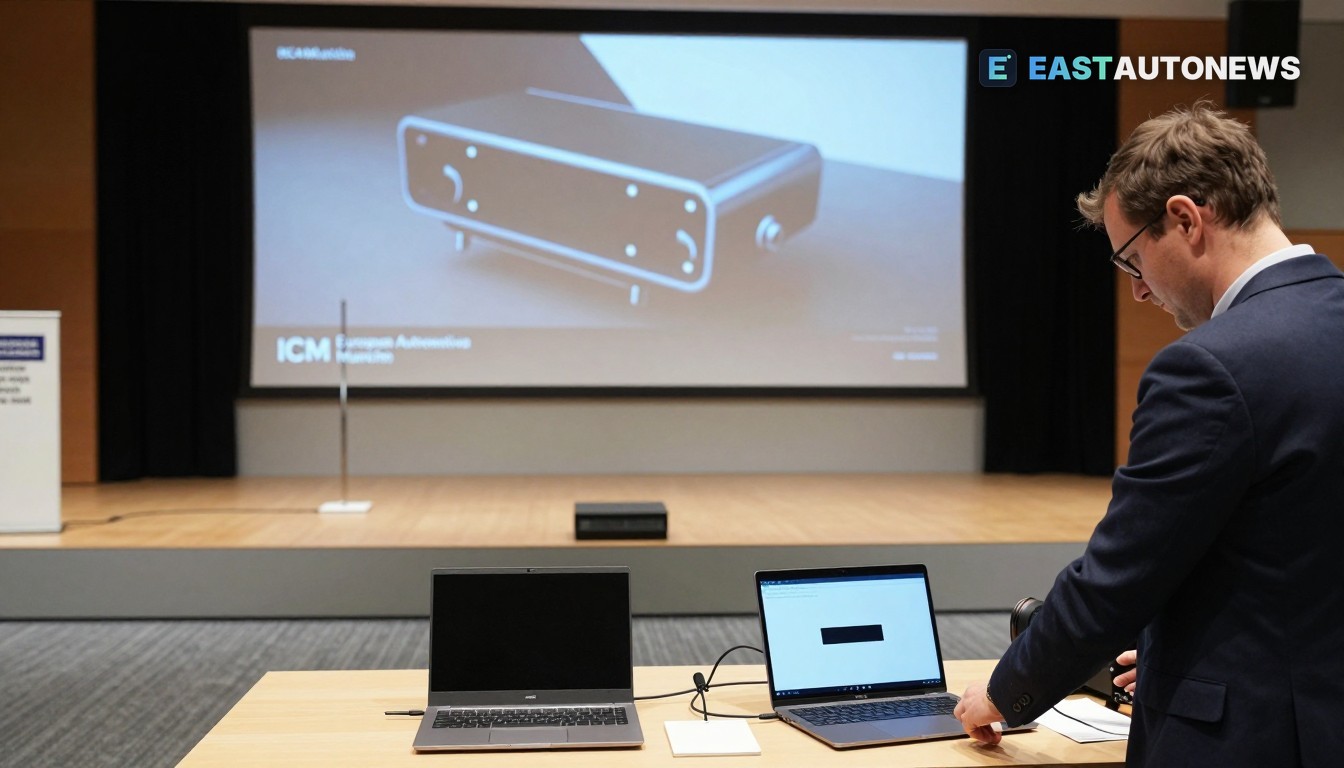
Budapest‑headquartered aiMotive has announced it will present at the Qualcomm European Automotive Summit in Munich on 11 November 2026, signalling a push by a Central European AI supplier into the heart of Europe’s automotive software debate. The company said: "Redefining scale in intelligent driving. That's the topic Peter Tamas Kovacs will take on at the Qualcomm European Automotive Summit in Munich on 11 November (13:30 CET, Wappenhalle)."
What aiMotive announced and why it matters
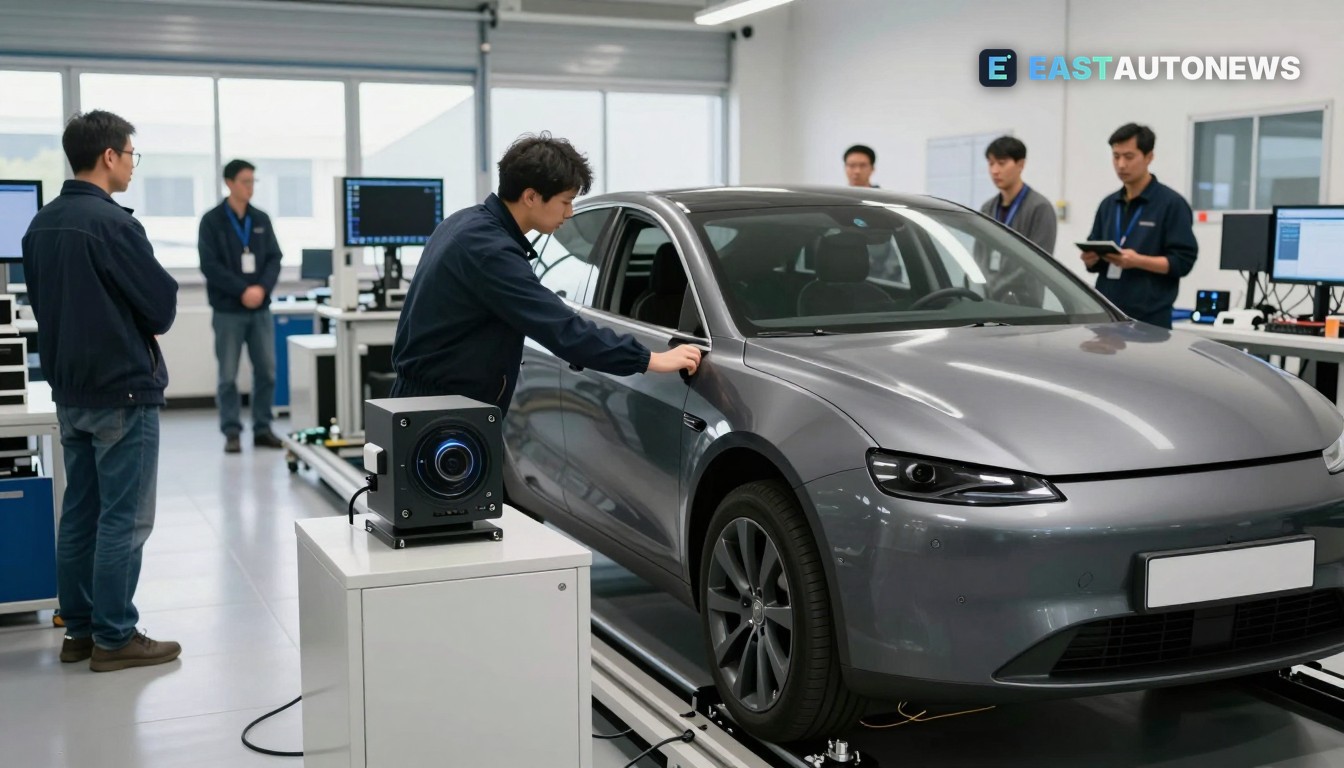
aiMotive has been advertising its simulation and validation toolchain as a commercial product for OEMs and Tier‑1s; the company’s blog describes aiSim as an "ISO26262‑certified Physical AI simulator" and explains that aiSim now works together with NVIDIA Halos SAFE to provide "deterministic, physics‑based neural simulation" and advanced safety evaluation workflows for virtual validation of automated driving software. The blog post carrying that claim is dated 21 October 2026.
The combination of an ISO‑grade simulator and a Halos SAFE safety workflow is relevant because EU and UN validation regimes are moving virtual testing from an optional engineering aid to a compliance‑grade part of approval evidence for ADAS and automated driving systems. CEE suppliers that already supply camera, radar or ECU hardware — or are aiming to supply software stacks — face growing demand for reproducible, traceable virtual validation evidence; aiMotive positions aiSim as a commercially available tool to produce that evidence.
What this means for the market
For Central and Eastern Europe, the story matters on three fronts. First, it highlights a local supplier with a production‑grade validation product: aiMotive is headquartered in Budapest and lists offices in Hungary, the US and Japan, underlining that a CEE firm can compete in safety‑critical software tooling.
Second, OEMs and Tier‑1s operating in CEE — from established assembly hubs in Slovakia, Czechia and Poland to a growing supplier ecosystem in Hungary and Romania — increasingly need virtual validation workflows that meet ISO26262 and evolving EU ADAS/ADS evidence requirements. A commercially available, ISO‑certified simulator integrated with recognised safety tooling could shorten validation cycles and reduce expensive real‑world miles, a boon to suppliers under pressure from cost and time‑to‑market.
Third, the appearance at Qualcomm’s Munich summit signals that aiMotive is aiming to sit at the intersection of chip‑level platforms (Snapdragon/Qualcomm) and higher‑level validation workflows — an axis that matters for software‑defined vehicle architectures where compute, middleware and safety evidence must be tightly aligned. That alignment is what regulators, OEMs and Tier‑1s will test as more advanced ADAS and limited ADS functions reach production.
aiMotive’s public schedule for 11 November 2026 gives European engineers and procurement teams a near‑term opportunity to assess a CEE‑born validation toolchain alongside major silicon and platform vendors — and to judge how a local supplier might reduce the time and cost OEMs face when satisfying the new safety and traceability expectations for ADAS/ADS releases.
Immediate vehicle listings on WorldTrader24 →
Sources: aiMotive LinkedIn, aiMotive blog