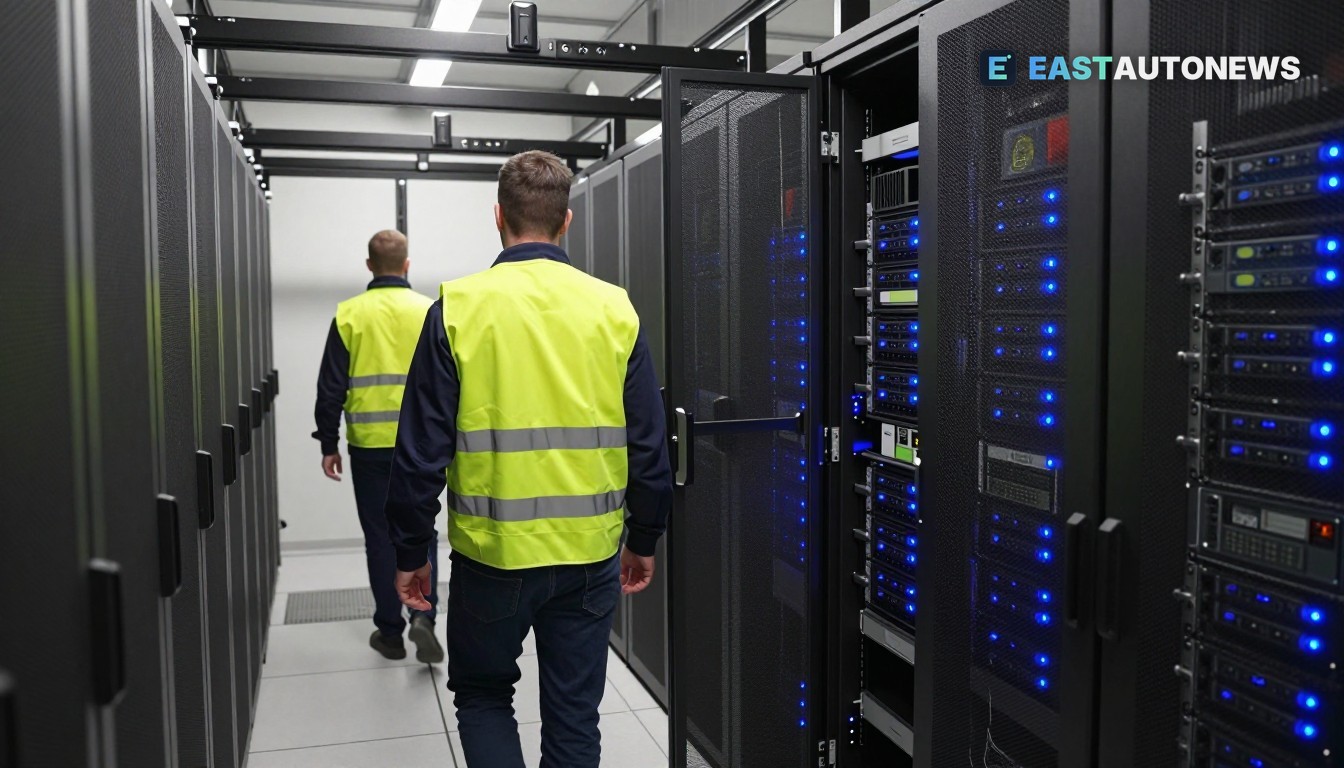
Polarise, a European AI‑infrastructure provider, said on 12 November 2026 it plans to add roughly 150 megawatts of new AI capacity in Germany by the end of 2028, a step the company describes as expanding its network of “AI Factories” across key German regions.
Polarise’s expansion and Central Europe footprint
The company’s newsroom item lists planned AI Factory sites in Bavaria, Hesse and North Rhine‑Westphalia and repeats Polarise’s wider strategy of building sovereign, Europe‑based GPU capacity for enterprise customers. The same Polarise page also notes the firm previously reserved 15 MW of capacity at České Radiokomunikace’s (CRA) Prague Gateway data centre near Jíloviště, a Central European foothold taken in September 2026.
Polarise’s push sits alongside larger market moves: Amsterdam‑listed SWI Group in late October launched an AI cloud unit, SWI Compute, and disclosed a large Nvidia systems order and an early 30 MW first‑phase plan for the UK — illustrating how new European suppliers and developers are locking in GPU capacity for enterprise AI.
How automakers and suppliers use the new capacity
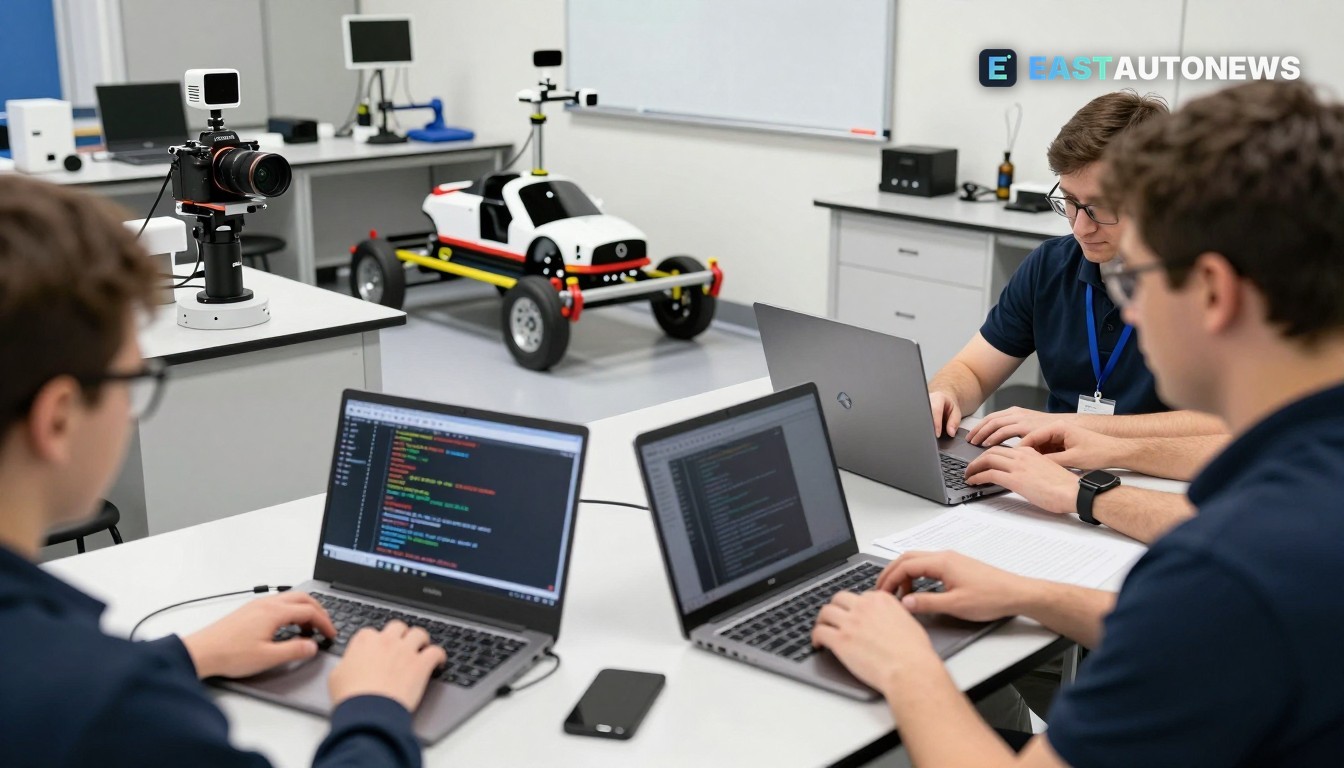
Automakers, tier‑one suppliers and industrial software firms need near‑real‑time GPU capacity for tasks ranging from training perception and planning models to running inference at scale for factory automation, simulation and digital twins. Polarise’s combination of German sites and a reserved slot at Prague Gateway gives regional users options to host or co‑locate compute inside European data‑sovereignty boundaries — a recurring requirement for manufacturers handling sensitive vehicle software, maps and customer data.
What this means for the market
For Central and Eastern Europe the development has three immediate implications. First, reserved and upcoming AI capacity inside or near the region reduces latency and routing risk for CEE‑based R&D and production teams that are already running larger AI workloads for ADAS, automated driving research and production optimisation. Second, new European GPU supply alternatives strengthen options for carmakers seeking “sovereign” compute that keeps data in EU jurisdictions. Third, the build‑out accelerates competition for limited GPU hardware and power capacity — a factor that could shape site selection, procurement timing and local grid planning.
Polarise’s Nov. 12 announcement and the SWI Compute move together underline that European AI infrastructure is scaling from pilots to multi‑10MW projects; automakers and suppliers in the CEE region should expect faster availability of local GPU capacity but also a continuing scramble for space, power and qualified operators.
Available vehicles now on WorldTrader24 →
Sources: Polarise, SWI Group / SWI Compute