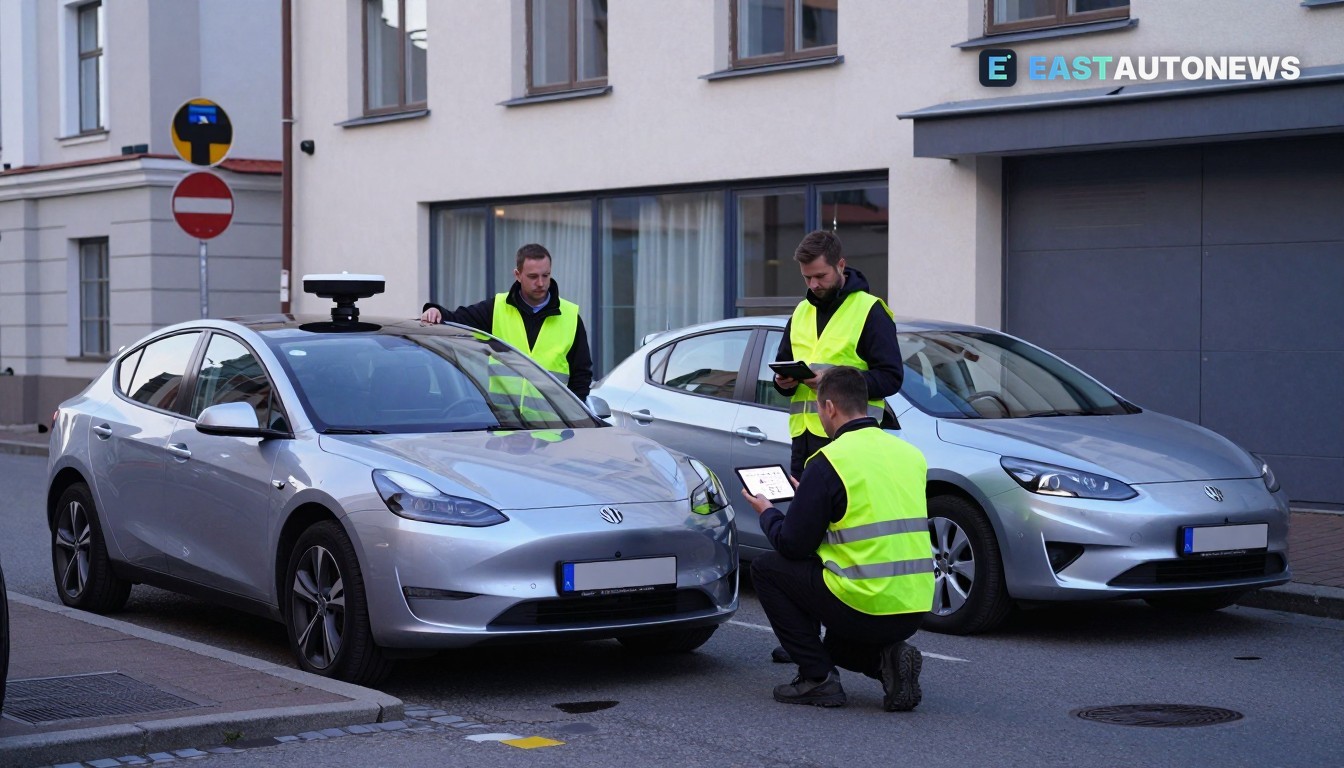
The United Nations Economic Commission for Europe (UNECE) World Forum for Harmonization of Vehicle Regulations (WP.29) approved a new global regulation for Automated Driving Systems (ADS) at its 200th session on 20 November 2026. The decision establishes a common safety and type‑approval framework for vehicles capable of operating without a human driver, and was published in WP.29 session materials and UNECE press briefings.
What WP.29 approved
WP.29’s 200th session (held 17–20 November 2026) authorised a UN Regulation and related guidance that define minimum safety requirements, a safety‑case based validation methodology for ADS, and complementary documents such as guidance on data storage for automated driving. The session report lists the approval of the ADS texts and related amendments to UN instruments discussed at the meeting.
UNECE framed the outcome as “the first global framework that legally enables fully autonomous driving systems (ADS)”, noting the package also includes measures on emergency lane keeping and data‑storage guidance intended to support testing, type approval and post‑market oversight. The UNECE press material summarised the WP.29 takeaways on 20 November 2026.
Immediate reactions from Brussels
European Commission officials and EU policymakers have made the adoption a policy priority: Commission President Ursula von der Leyen has urged a single approval procedure to deploy autonomous vehicles across the EU, arguing a harmonised approach will make it easier to deploy automated fleets across member states. This reflects Brussels’ push to pair technical rules with an EU‑level implementation pathway.
What this means for the market
For Central and Eastern Europe the WP.29 decision creates a credible international baseline for approving and operating ADS‑equipped vehicles across UNECE Contracting Parties. The regulation supplies a common safety case methodology and type‑approval route that national authorities can use to evaluate vehicles with no human driver, and it bundles complementary guidance on data capture and emergency behaviours that regulators and suppliers will need to follow. Those provisions should simplify cross‑border testing and eventual commercial launches because manufacturers can seek approvals under shared UN rules rather than a patchwork of national regimes.
Practical effects for the region will depend on how quickly EU institutions and national type‑approval authorities move from the WP.29 texts to local approval practice and on the pace of infrastructure and operator readiness. The documents adopted at WP.29 also set a phase‑2 work programme (with milestones into 2027–28) that will refine technical items such as Dynamic Driving Task metrics, DSSAD (data‑storage) details and ODD (operational design domain) descriptions — all areas where CEE suppliers, testbeds and regulators will be engaged.
For carmakers and Tier‑1 suppliers in the region, a UN‑level regulation reduces one significant source of fragmentation: once Contracting Parties incorporate the UN texts into their national type‑approval systems, manufacturers can better plan multicountry launches, certification resource allocation and ADAS/ADS software roadmaps. At the same time, the industry will still face technical and commercial tasks—sensor validation, safety evidence, and fleet operations—before large‑scale autonomous services become routine on CEE roads.
Immediate vehicle listings on WorldTrader24 →
Sources: UNECE, Global AutoRegs, European Commission