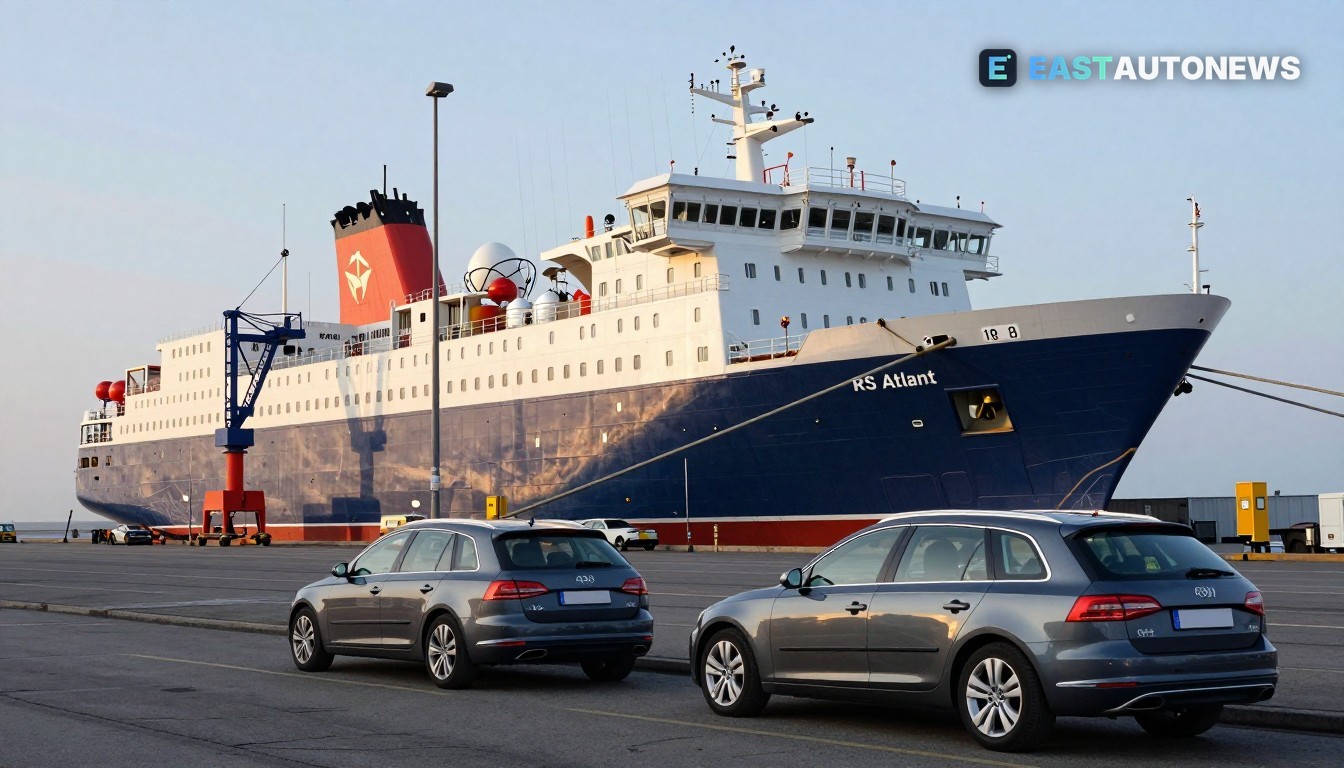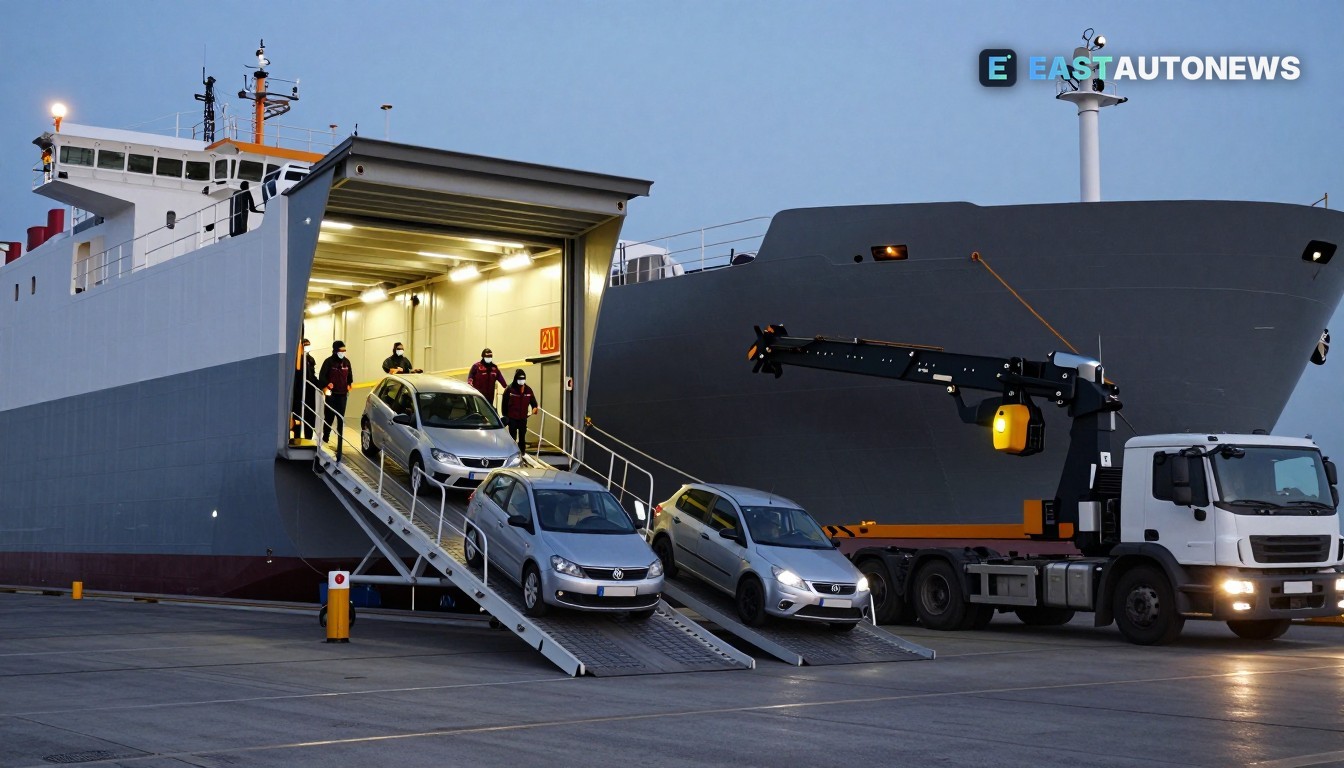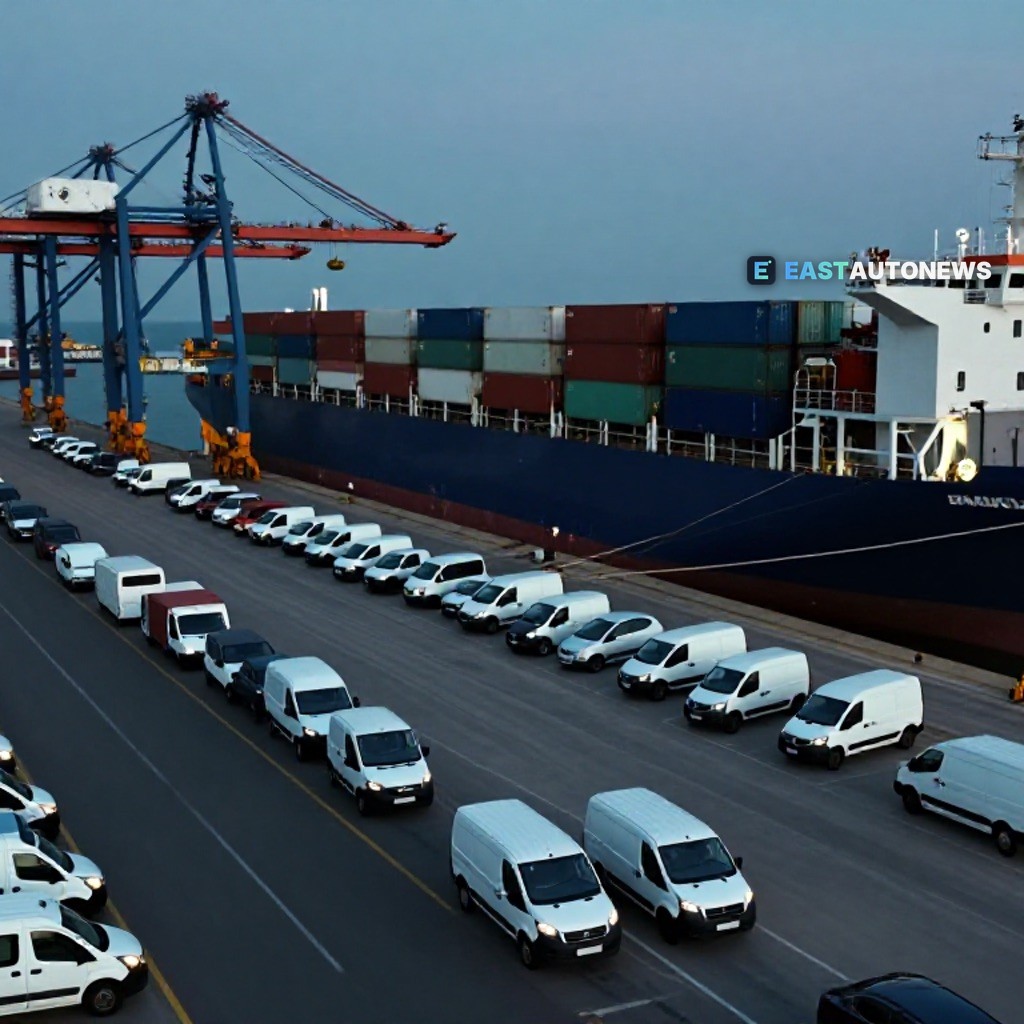
Vehicle flows through the eastern Adriatic are growing fast. Figures reported by TrasportoEuropa on 25 November show that in 2025 the port handled more than four million tonnes of cargo, up 19.4 percent, including 103,397 commercial vehicles — a rise of 19.2 percent. The Eastern Adriatic Sea Port System Authority has also allocated €8.5 million for investment, a sign that infrastructure is being scaled alongside the traffic.
Deep-sea capacity for carrying cars is expanding in parallel. CMA CGM has bought its first car carriers from Eastern Pacific Shipping, Baird Maritime reports: one sister ship is bound for Southampton from China, and the other called there in October. Eight more vessels with a combined nominal capacity of 50,000 car equivalent units (CEU) are due in 2026–28, adding significant tonnage on the routes that deliver vehicles to European markets.
Used-car supply is moving in the same direction. Korea's K Car said on 27 November that it had signed an agreement with Mangocar for export cooperation, aiming to expand exports of Korean used cars to Eastern Europe; Mangocar operates a platform that connects domestic used cars with overseas buyers. Dealers and importers watching these inflows do not have to wait for the ships: comparable stock can already be sourced on WorldTrader24.de, the European marketplace listing more than 70,000 vehicles.
The security backdrop is less reassuring. Ukraine has warned that Russia could make the Black Sea a new “Hormuz” — a warning issued amid continued escalation that has included a drone strike on Russia's second-largest city. Asked about alternative routes, the World Food Programme's Skau said Ukrainian Black Sea ports offered “the cheapest and fastest way” to get those commodities out, and the WFP has continued buying and exporting Ukrainian food throughout the war. Further north, NATO has strengthened surveillance across the Baltic Sea and its eastern airspace, while the EU has introduced new defence and preparedness initiatives. For freight planners, route selection in the region is once again a question of risk as well as cost.
Taken together, the week's news sketches a region pulling in two directions: capacity is being added on the Adriatic, on deep-sea car-carrier routes and in the used-car import trade, while the Black Sea and the Baltic remind planners that Eastern European freight runs close to contested waters. Importers, fleet operators and dealers will need both the extra capacity and the caution.
For businesses, extra trade capacity is only as useful as the vehicles that carry the goods. Readers looking for a vehicle — from delivery vans and trucks for logistics fleets to passenger cars — can find sensational cars at sensational conditions at WorldTrader24, Europe's marketplace with over 70,000 vehicles. A quick search there makes it easy to compare offers and match the right model to the job.