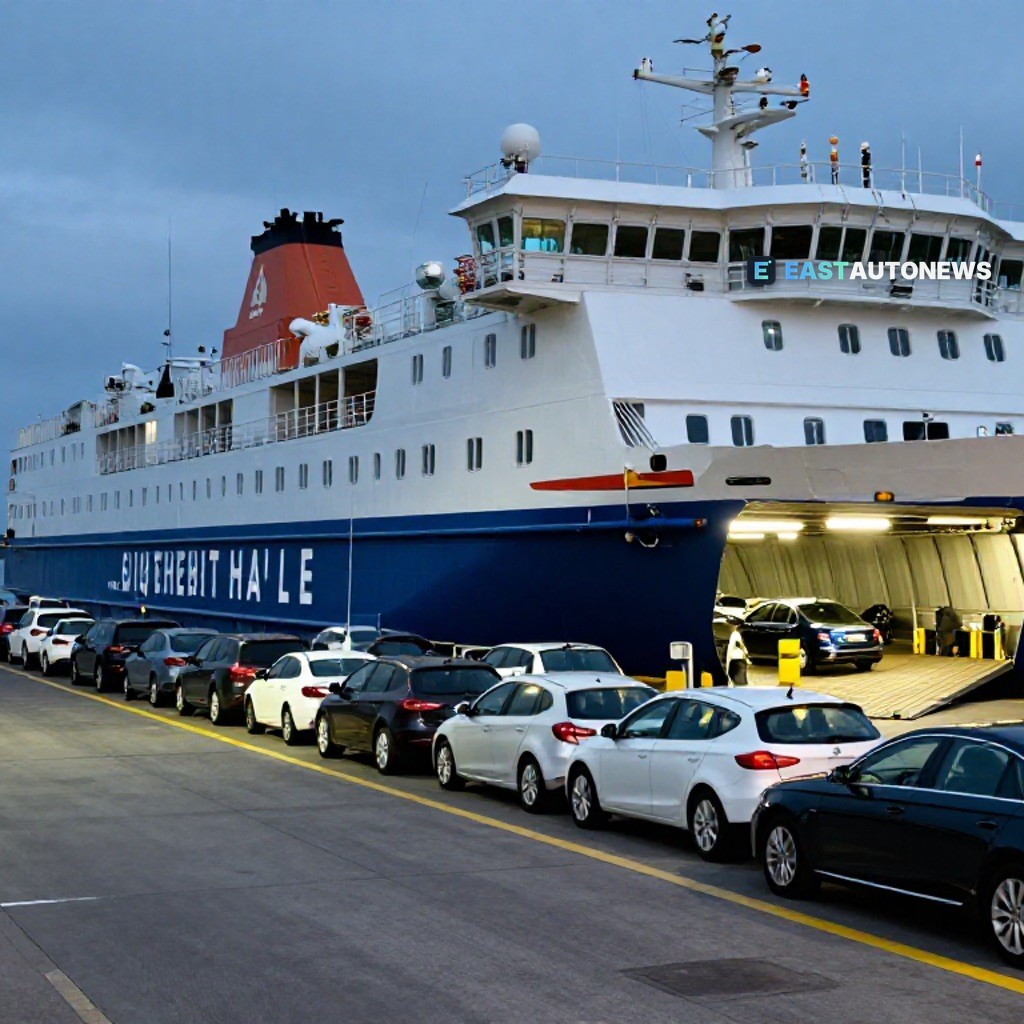
Vilnius, Lithuania — Every streak ends somewhere, and Lithuania's ended in October. After 25 consecutive months of uninterrupted growth, new passenger car registrations in the Baltic state fell 5.5% year-on-year to 4,087 units in October 2026 — the first decline the market has posted in more than two years. For a country that has been one of Central and Eastern Europe's steadier automotive performers, the figure reads less like a crash and more like a question: is this the end of the boom, or just a breather?
The macro backdrop suggests the latter — with caveats. Lithuania's economy expanded 2.3% in the third quarter of 2026, but the quarter-on-quarter decline, as Swedbank economist Nerijus Mačiulis reads it, reflects the fading impact of a household consumption surge in the second quarter. That detail matters for car retailers, because a market that grew for 25 straight months was, to a large degree, a market riding confident consumers. When that confidence cools, showroom traffic is usually the first indicator to move.
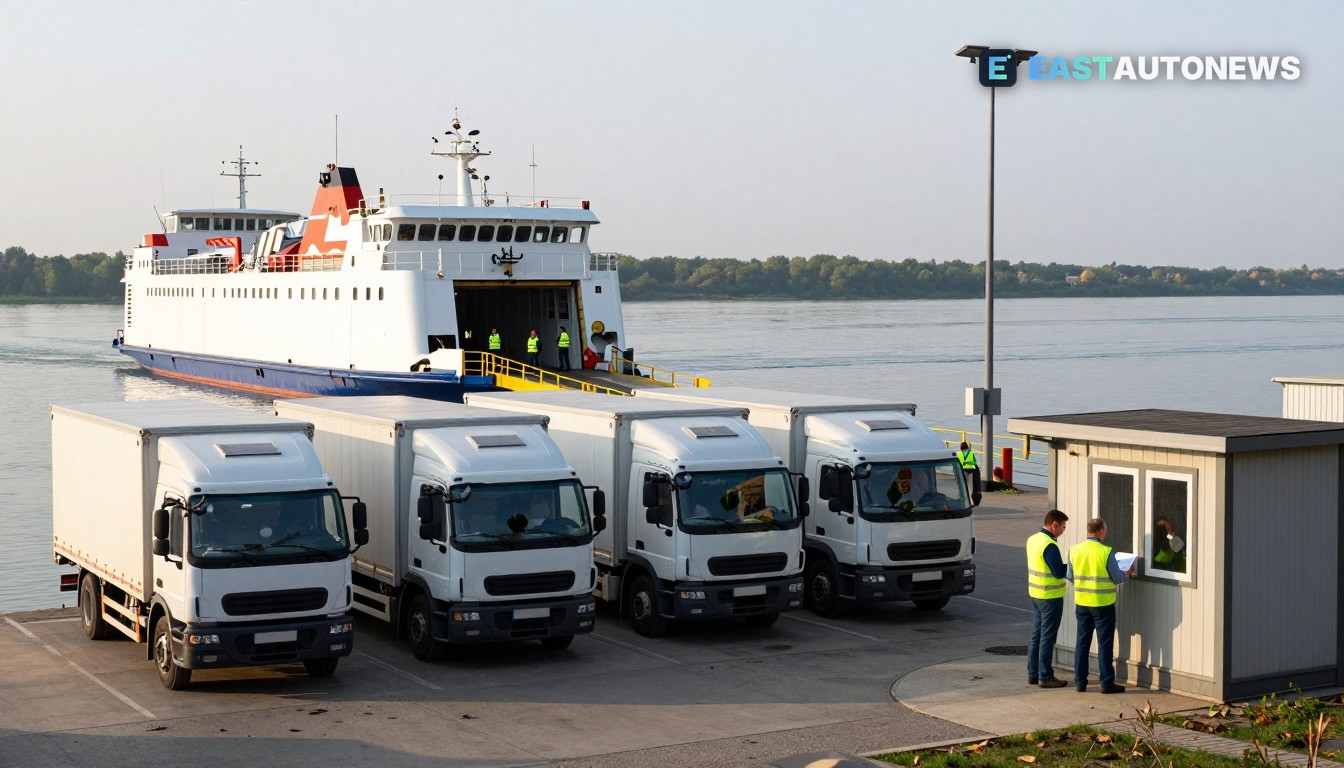
For the trade and logistics sector, the more pressing number is at the pump. Daily fuel tracking puts Lithuanian gasoline at €1.840 per litre and diesel at €2.189 per litre this month, and the three-month direction is firmly upward — gasoline has climbed about 9% over that window. For hauliers running the Baltic corridors and for fleet managers calculating the total cost of every new registration, diesel near €2.19 is not a footnote; it is a line item that reshapes procurement decisions, from delivery routes to the pace of fleet renewal.
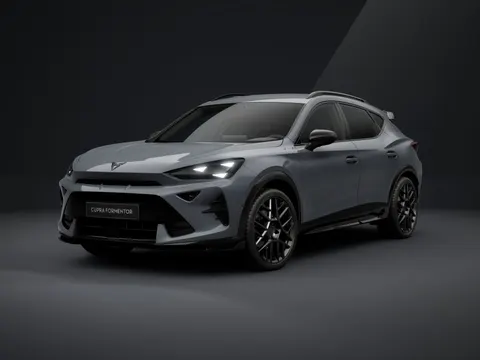
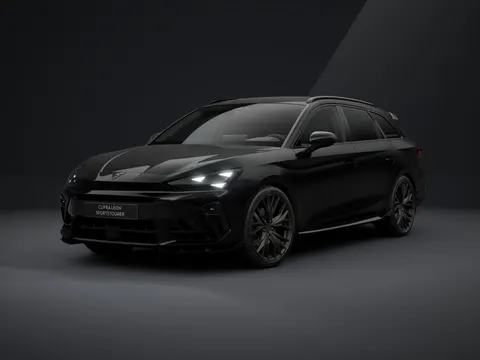
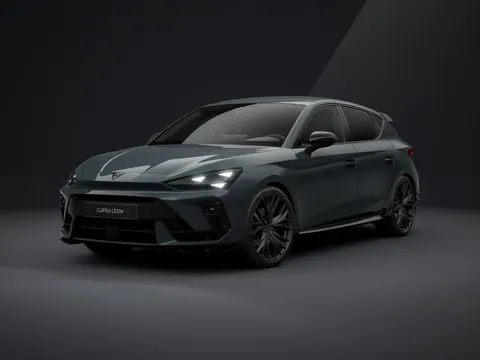
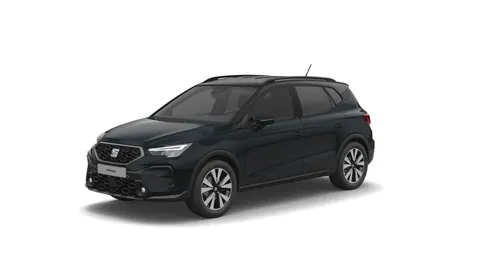
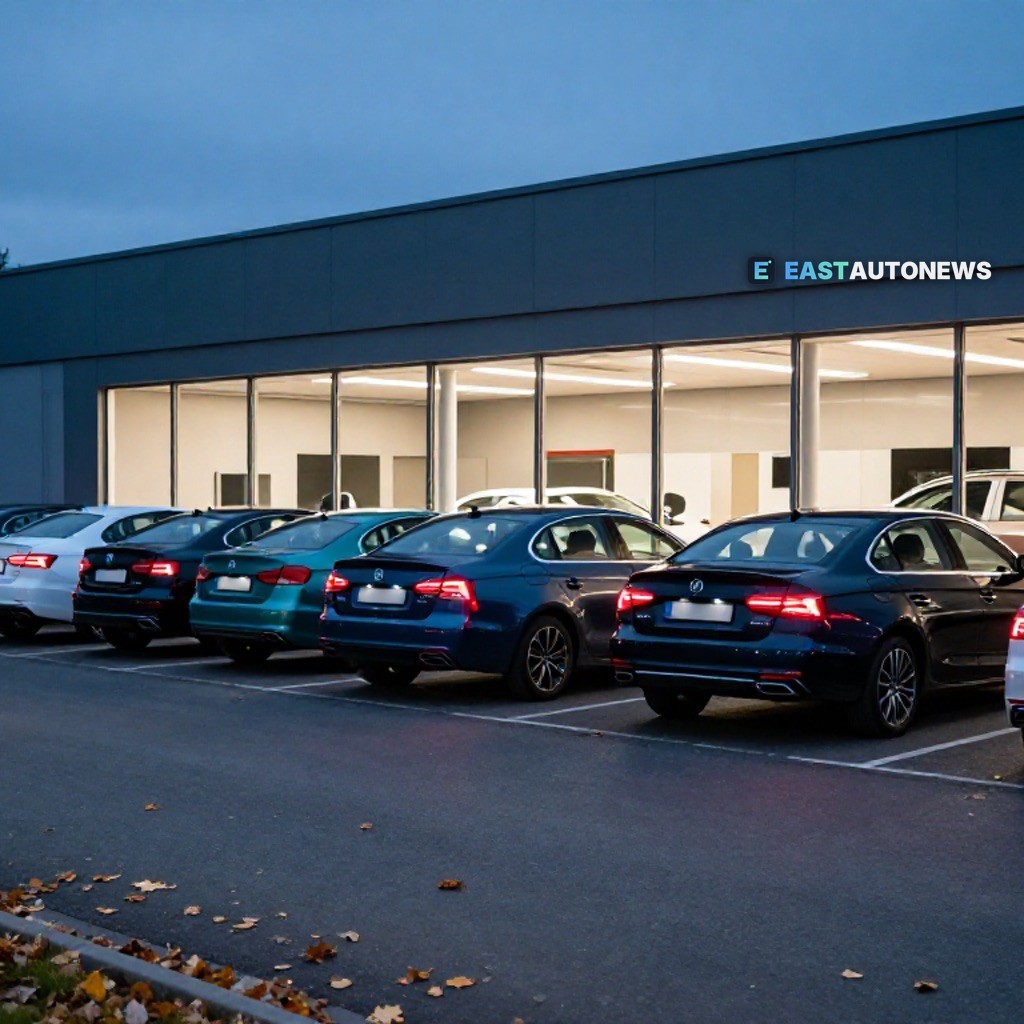
The used-car market, meanwhile, has already told the industry what Lithuanian buyers want. SUVs and wagons account for nearly 80% of used sales, while the sedan — once the default company car of Eastern Europe — has withered to a 4% share. Brand leadership shifts from city to city, with Volkswagen, Škoda and Volvo each leading in different urban markets, but the product brief for importers is identical everywhere: space, ride height and all-weather capability. That near-80% figure is as close to a national automotive consensus as market data gets.
None of this amounts to a crisis — one soft month after 25 strong ones is a correction, not a collapse — but the final stretch of 2026 will be revealing. Europe's broader market entered the autumn with momentum, according to JATO, carried by strong fleet activity and rising private demand for electrified vehicles in September. If Lithuania's dip proves to be a pause, expect fleet renewals and electrified offers to lead the recovery; if fuel prices keep climbing and consumption keeps cooling, the country's traders may look back on October as the month the wind changed.
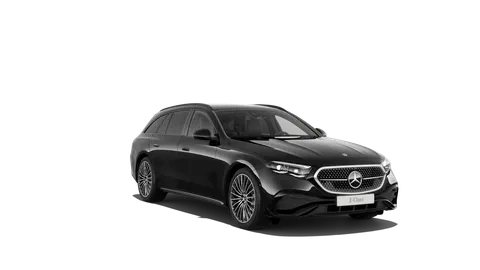
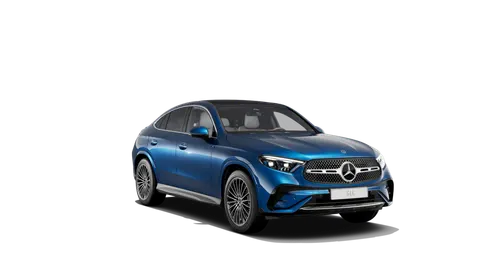
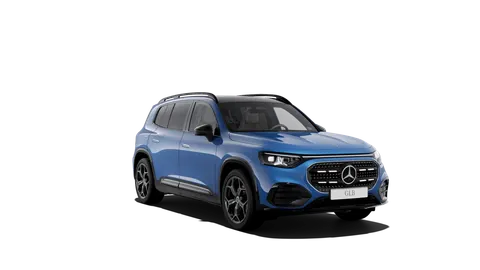
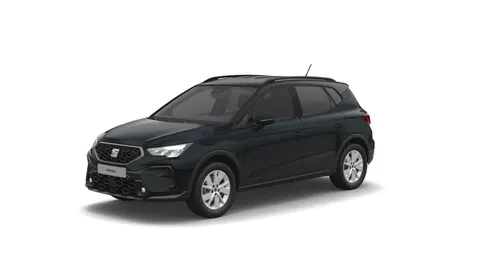
For fleet managers and private buyers alike, the current calculus favours doing the homework before signing anything — and the best homework starts with a wide view of what is on offer. Readers looking for a vehicle can find sensational cars at sensational conditions at WorldTrader24, Europe's marketplace with more than 70,000 vehicles listed. Whether the brief is a winter-ready SUV or a long-distance wagon, there is plenty to compare before Lithuania's next registration figure lands.