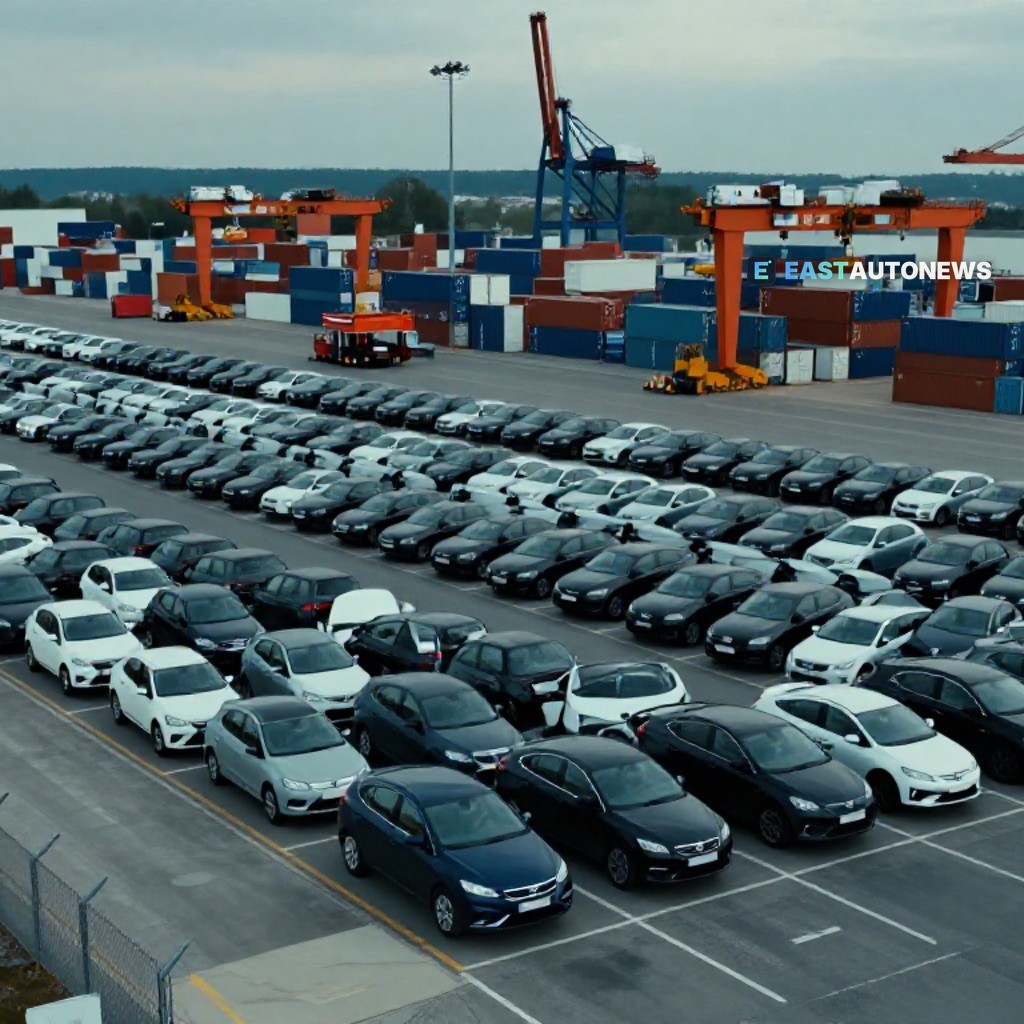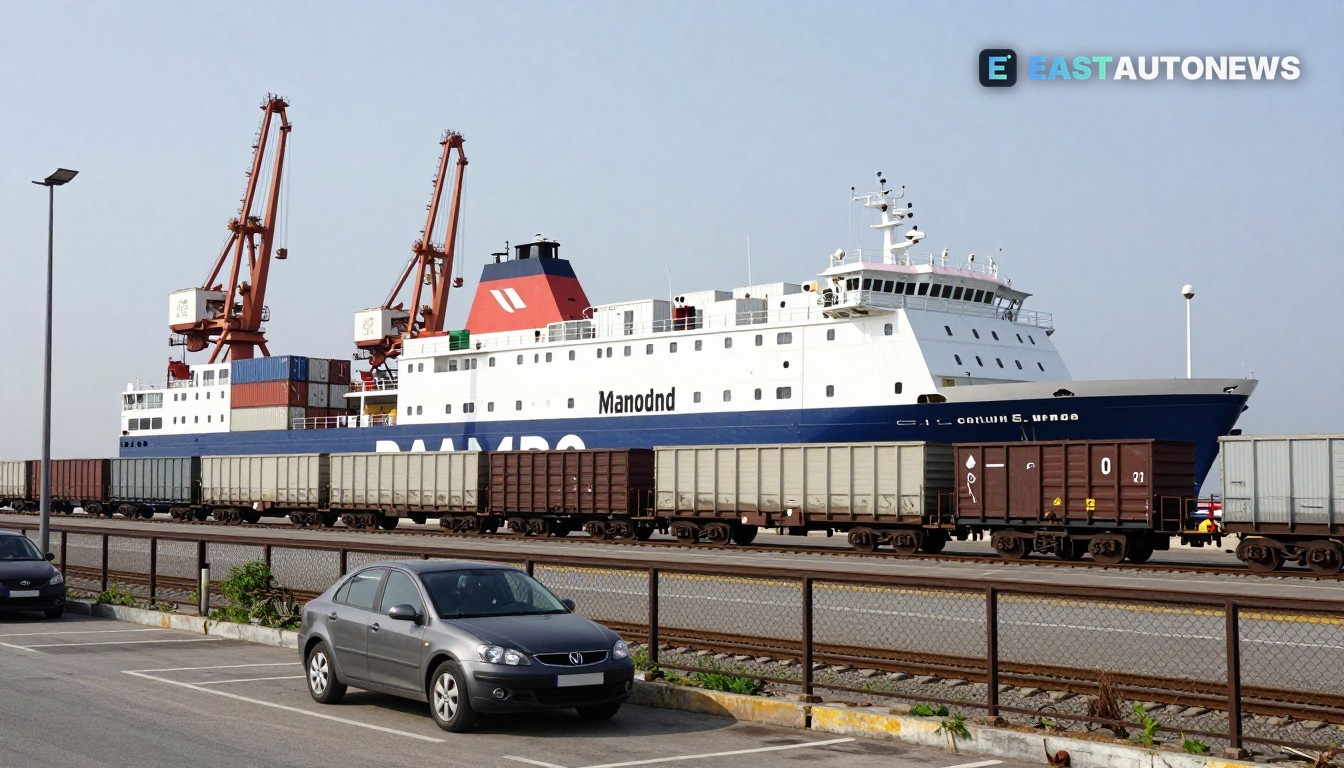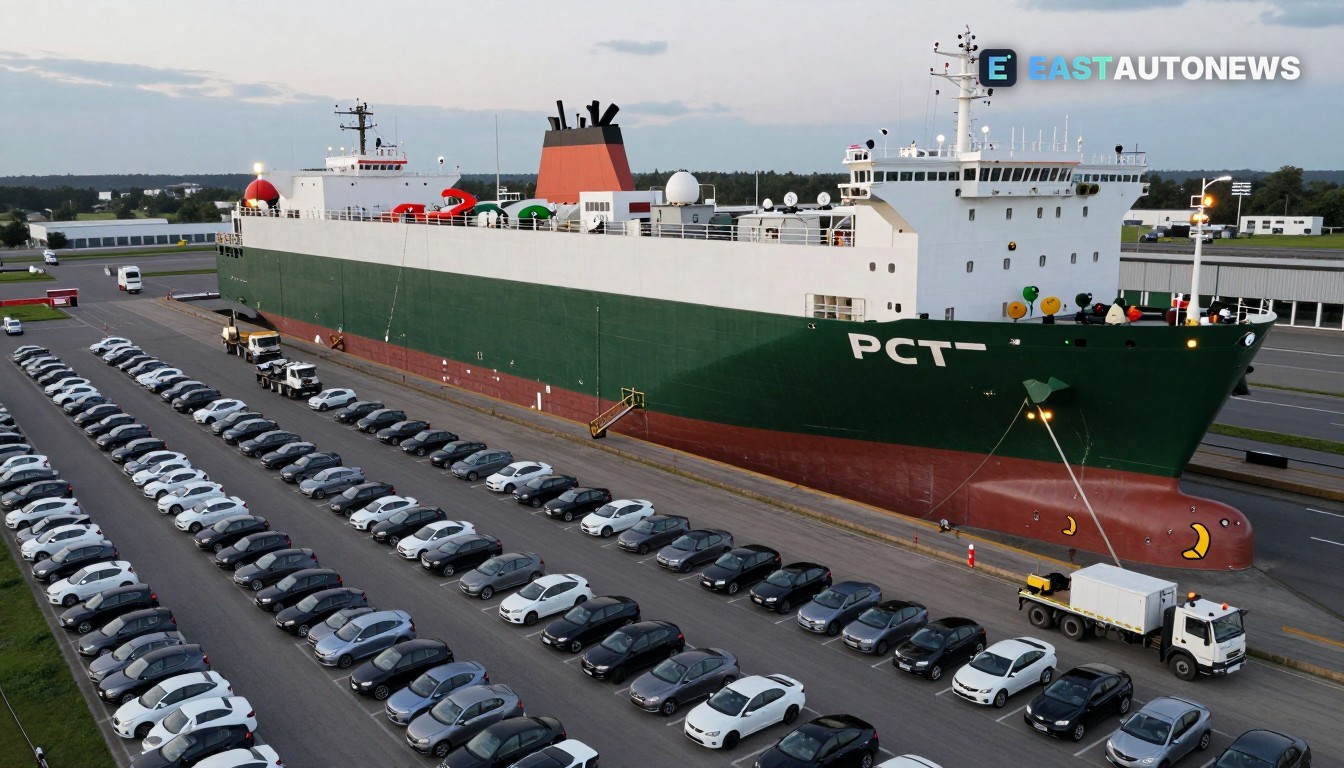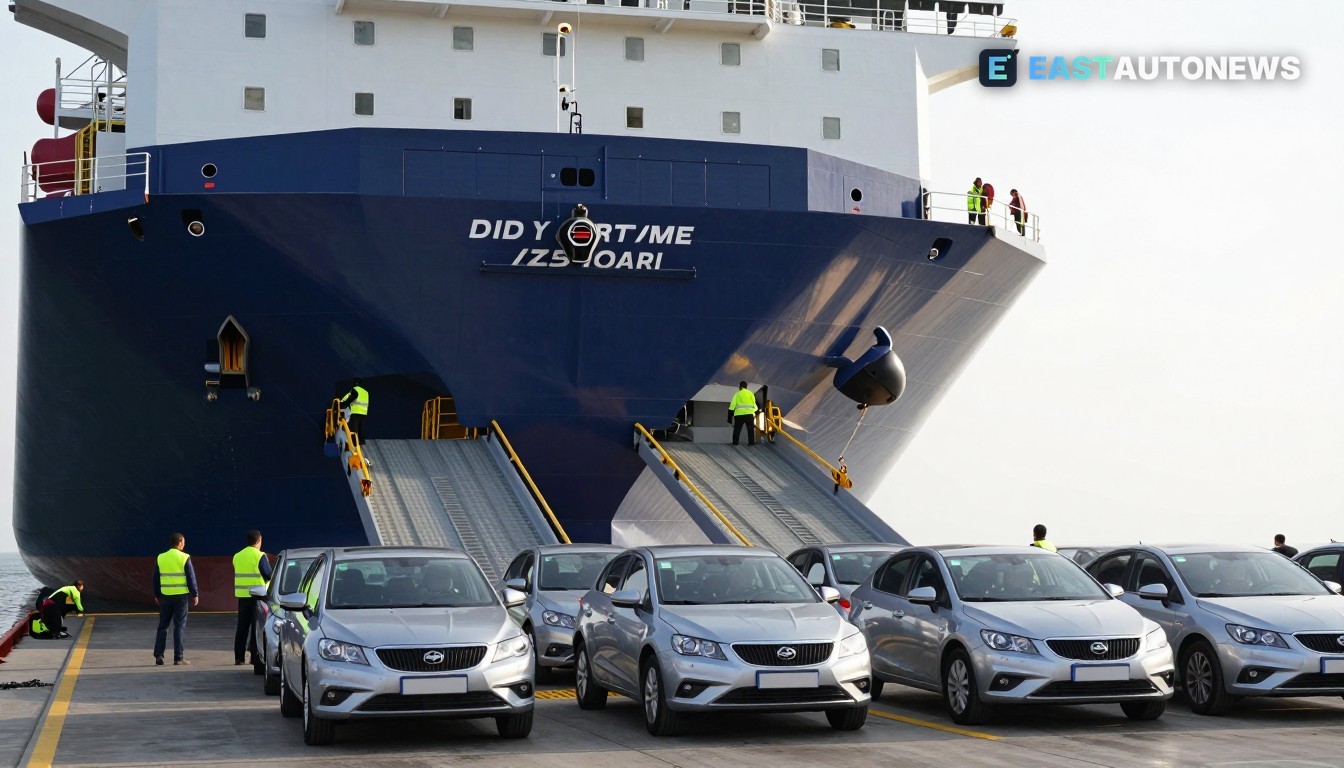
COSCO Shipping’s specialised car‑carrier arm has launched a trial roll‑on/roll‑off (Ro‑Ro) service calling at Platygiali Astakos in western Greece, a move reported by eKathimerini on 24 November 2026. The first arrival was the car carrier Yuan He Kou, described by the paper as a 7,000‑vehicle ship and “the first of a total of four ships in the program”.
Details of the trial
According to eKathimerini (24 Nov 2026), the Yuan He Kou arrived at Astakos after a China–Greece sailing designed to test the port’s ability to handle deep‑sea vehicle carriers outside Piraeus. The report says COSCO is evaluating Astakos (Platygiali) as an alternate Mediterranean calling point because expansion space at Piraeus is limited and some large car carriers require different berth profiles.
The trial is small in commercial terms but significant for routing: China–Mediterranean vehicle services traditionally call at Piraeus or Piraeus‑linked feeders; a direct call at Astakos would create another discharge point for finished vehicles and high‑volume parts consignments bound for Central and Eastern Europe.
Why Astakos matters
Greece already plays a strategic role in Black Sea and Adriatic feeder networks to Romania, Bulgaria and further north. Piraeus’ Ro‑Ro infrastructure is substantial — the port authority notes its Ro‑Ro/car terminal handles more than 260,000 vehicles a year and runs storage and short‑sea connections that feed markets across the Eastern Mediterranean and into Romania and beyond — giving an idea of the scale any alternate Greek calling point must match.
What this means for the market
For finished‑vehicle logistics into Central and Eastern Europe the COSCO trial matters for three reasons. First, an extra deep‑sea call in western Greece could shorten inland haul distances for southern Romania and parts of the Balkans when paired with efficient feeder or rail links. Second, new calling patterns can relieve pressure on Piraeus and on short‑sea feeders that currently concentrate traffic on a small set of hubs. Third, shippers and carriers could gain routing flexibility if COSCO commits more ships to the program — higher frequency and additional slots make sea multimodal options more competitive with direct ro‑ro to Constanța or truck/rail transits from Western Mediterranean ports.
At present the move is experimental: eKathimerini reports this is a trial phase involving four ships, and wider commercial impact will depend on how often the service repeats and on the speed of hinterland connections from Astakos to CEE markets. No contractual or long‑term frequency commitments were announced in the report.
Available vehicles now on WorldTrader24 →
Sources: eKathimerini, OLP (Port of Piraeus Authority)