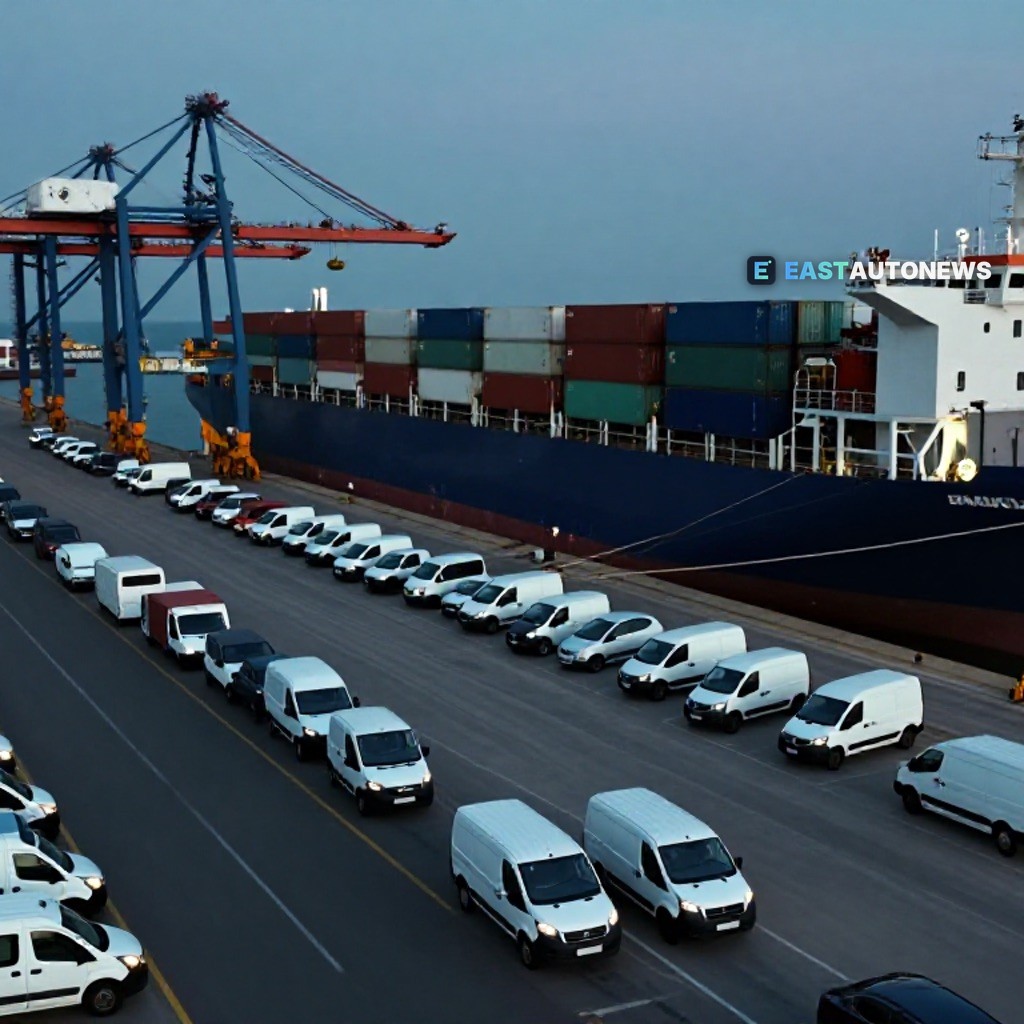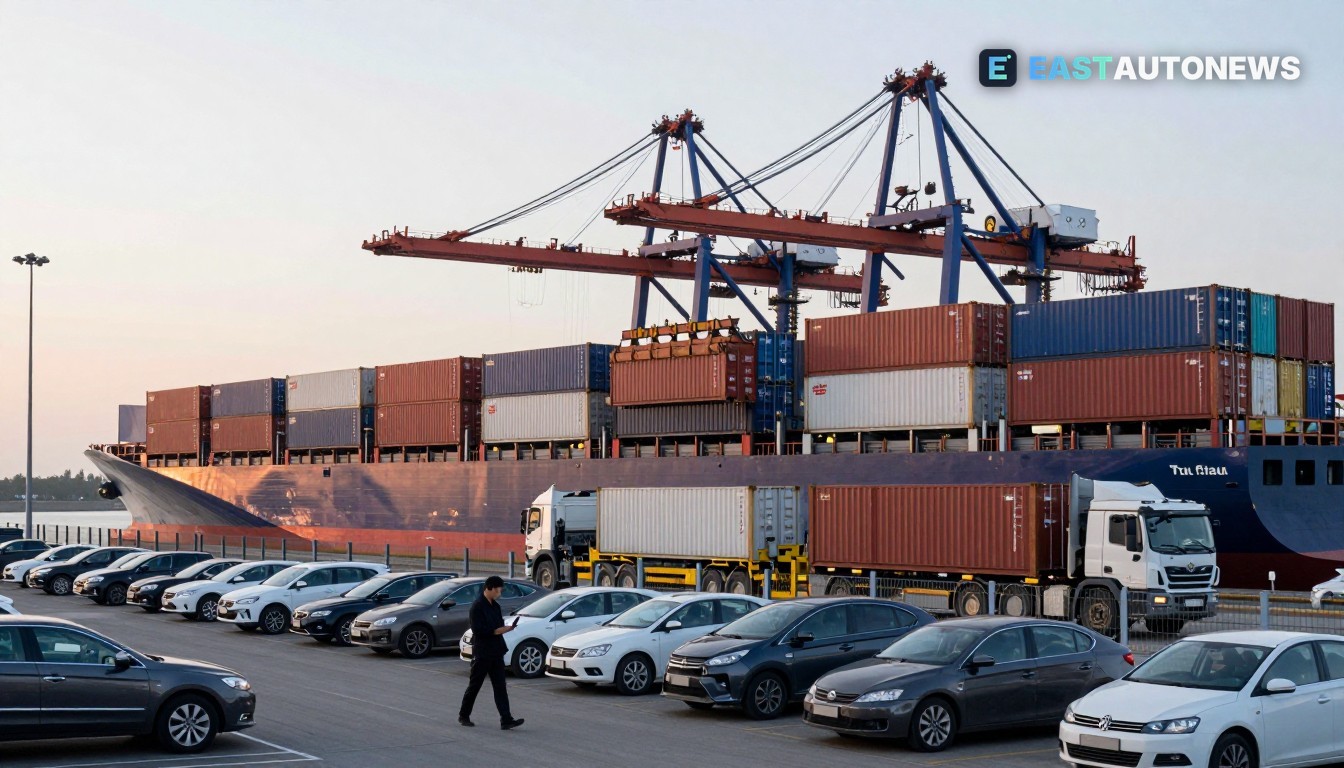
Maersk has announced another round of Peak Season Surcharge (PSS) changes on shipments from the Far East to Northern Europe and the Mediterranean, with a Price Calculation Date (PCD) of 14 December 2026. Industry trackers show Maersk’s Mediterranean PSS was already set at USD 750 per 20ft and USD 1,500 per 40ft from a November filing, and Forwarder News records a further Asia–North Europe PSS filing that takes effect mid‑December.
What Maersk filed — and the numbers
Maersk’s customer advisories list multiple PSS updates through November, including a dedicated notice for Far East Asia to North Europe dated 17 November and a second rate filing dated 19 November with a PCD of 14 December 2026. Informare’s roundup reports the PCD‑14‑December filing and quotes the proposed levels for Northern Europe as USD 750 per 20‑foot container and USD 1,500 per 40‑/45‑foot container; Forwarder News and carrier trackers record related PSS notices covering 1–14 December effective windows.
Maersk’s official surcharge pages show the company has posted several PSS and LCL advisory entries in November 2026, confirming that the carrier is actively re‑pricing Asia–Europe lanes ahead of December sailings. The carrier’s LCL/PSS index page lists a “PSS – 17th November 2026 PSS from FEA to North Europe” advisory among recent updates.
Why the timing matters
The increase arrives as carriers and forwarders grapple with a changing routing mix after partial returns to Suez and ongoing congestion at many Northern European ports. Market reports summarising carrier filings and port conditions say vessel bunching and port‑arrival pressure remain elevated — Flexport and market trackers flagged Northern Europe arrivals above typical capacity levels in mid‑November — and DHL Global Forwarding has warned of substantial container volumes tied up in port congestion. Those dynamics are the immediate backdrop to carriers’ surcharge moves.
What this means for the market
For Central and Eastern Europe’s automotive industry the practical effect is straightforward: higher box‑level surcharges raise landed costs for containerised parts, electronics and subassemblies imported from Asia — and they lift the cost base of aftermarket and accessory shipments that travel in containers. Where components or vehicle kit travel in containers (including many electric‑vehicle cells, modules and wiring harness components), the USD 750–1,500 PSS bands reported for Asia–Europe trades will add directly to per‑unit logistics costs booked in December and into contract rollovers.
Carriers have used PSS and emergency surcharges through 2026 to pass rising bunker and insurance costs on to shippers; with winter peak demand and the Lunar New Year booking window approaching, forwarders told customers to expect short notice file changes and to re‑price December–January shipments accordingly. That complicates procurement budgets for CEE suppliers and OEM logistics planners who rely on predictable container slotting for just‑in‑time parts deliveries.
Practical steps for logistics teams include reconfirming Price Calculation Dates on bookings, checking whether contract tonnage is exempt or protected, and working with lead forwarders to capture any agreed discounting or roll‑over terms. Forwarders and shippers should also monitor Maersk’s advisory pages and carrier trackers for further PSS or Emergency Contingency Surcharge changes this week.
WorldTrader24 B2B Fahrzeugmarkt für Händler →
Sources: Maersk, Informare, Forwarder News, VesselTrackr