French port workers and tugboat crews staged successive stoppages on 5–6 November 2026 that produced specified windows of disruption at Le Havre and Calais and raised short‑term risks for vehicle and parts logistics bound for Central and Eastern Europe (CEE).
The strike windows and immediate effects
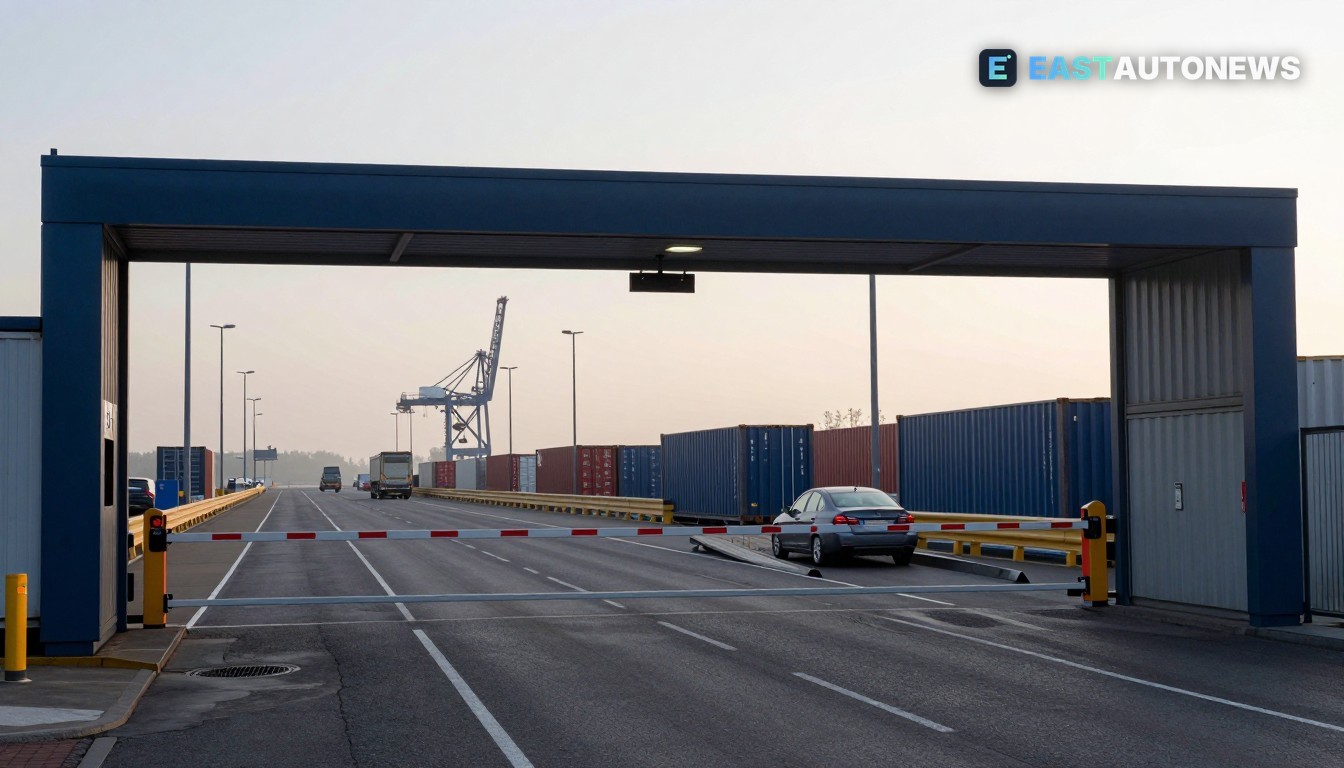
HAROPA Le Havre published harbourmaster notices that, as summarised by shipping intelligence services, set a container‑handling disruption window from 06:00 on Thursday 5 November to 06:00 on Friday 6 November, and a separate towage/marine‑operations slowdown from 08:00 on Friday 6 November to 08:00 on Saturday 7 November (all times CET). The port’s multimodal terminal also announced a full‑day closure on Thursday 5 November, halting rail, road and barge container transfers for the day.
The Port of Calais warned of significant disruption on Thursday 5 November between 11:00 and 15:00 CET, a four‑hour window that directly affects Dover–Calais ferry sailings and the accompanied Ro‑Ro freight flows that service cross‑Channel and short‑sea vehicle corridors. Ferry operators were advised to publish individual sailing updates.
Logistics publishers and forwarders reported the call extended beyond Le Havre and Calais to about two dozen French ports, with local variation in participation and impact. Commentaries emphasised that the two different windows — one for cargo handling and one for towage — can create a staggered recovery where cranes restart but vessels cannot be moved, prolonging delays.
How vehicle logistics are exposed
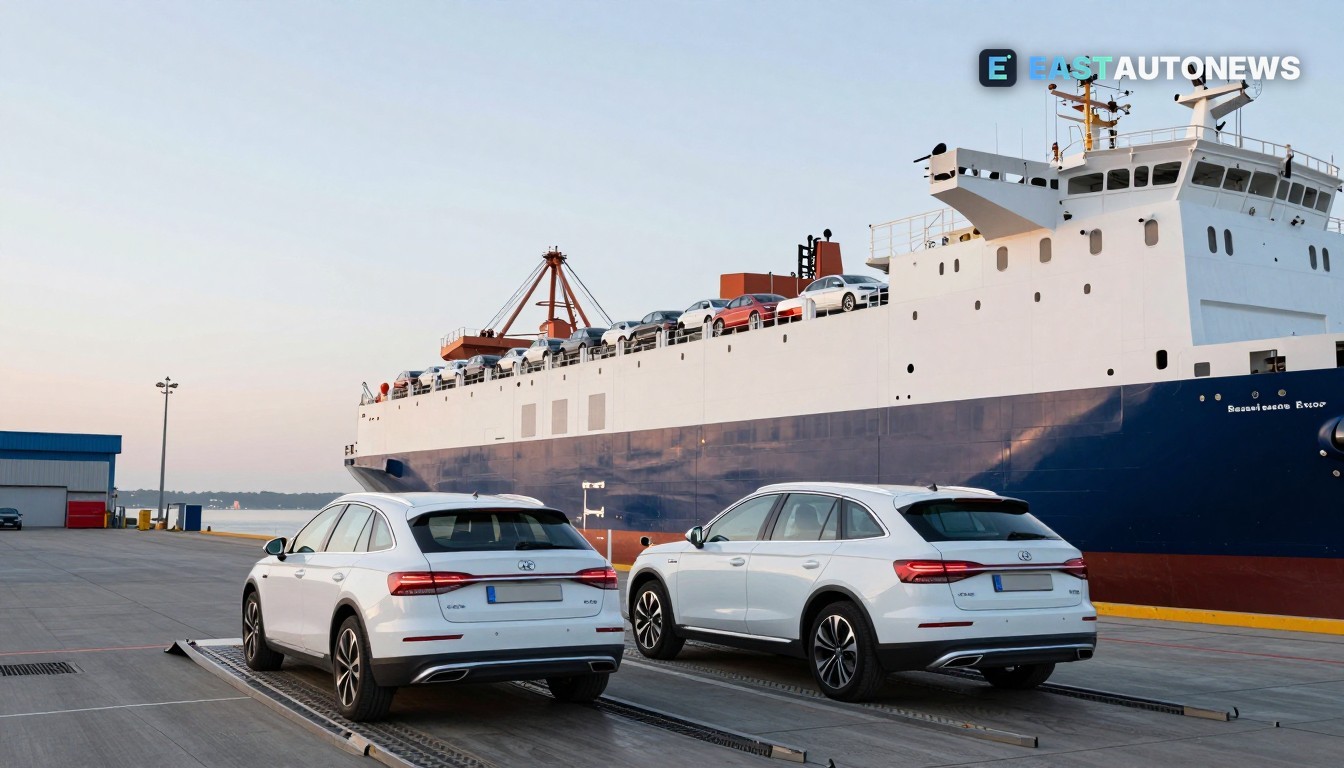
Finished‑vehicle and components movements rely on a mix of Ro‑Ro ferry sailings, dedicated PCTC (pure car and truck carrier) services and container/feeder flows that use short‑sea and intermodal links. Industry bodies warn that vessel delays and terminal closures translate quickly into parked inventory, yard demurrage and cascading schedule knock‑on across Europe’s distribution network. The European Vehicle Logistics association has noted that when vessels arrive late or are re‑routed, staged cars and components sit exposed in yards and incur extra costs and operational complexity.
What this means for the market
For OEMs and suppliers serving CEE plants and dealer networks, the immediate consequence is increased scheduling risk. Le Havre’s multimodal terminal feeds inland rail and barge connections that link into European hinterland chains; its temporary closure on 5 November interrupted those transfer points and may delay inbound containers and Ro‑Ro transshipments by days even if cranes restart. Calais’s four‑hour warning hit the peak of the working day and could force hauliers to rebook or reroute, adding mileage and waiting time on critical accompanied lifts.
Firms operating across the Channel and North Sea should check bookings with ferry operators and forwarders, allow extra buffer in delivery windows, and expect potential demurrage, as logistics advisories recommended. The broader picture matters: Dover–Calais and North‑Sea short‑sea links carry large volumes of unitised freight and accompanied Ro‑Ro traffic, making even short stoppages material for just‑in‑time automotive supply chains.
Operators in CEE ports such as Gdańsk that provide alternative short‑sea and feeder calls may see a temporary rise in diversion requests, but capacity, berth scheduling and inland connections will determine how quickly any backlog is absorbed. Logistics teams should treat the Nov 5–6 windows as a live risk event: re‑confirm ETAs, check vessel and ferry operator notices, and plan contingency capacity for yard and transport resources.
WorldTrader24 B2B vehicle marketplace for dealers →
Sources: ShipUniverse, Deep Arrival, Beckchoice, ECG Association, Irish Continental Group