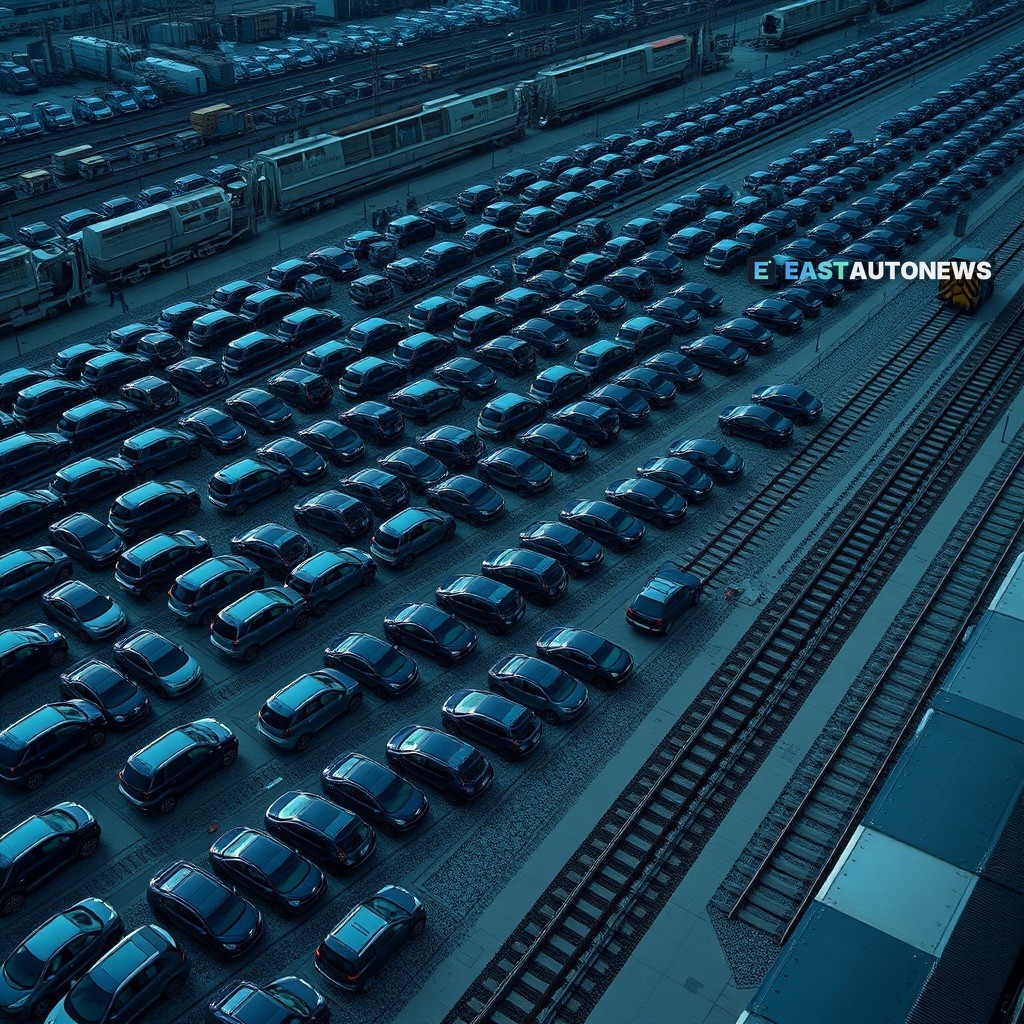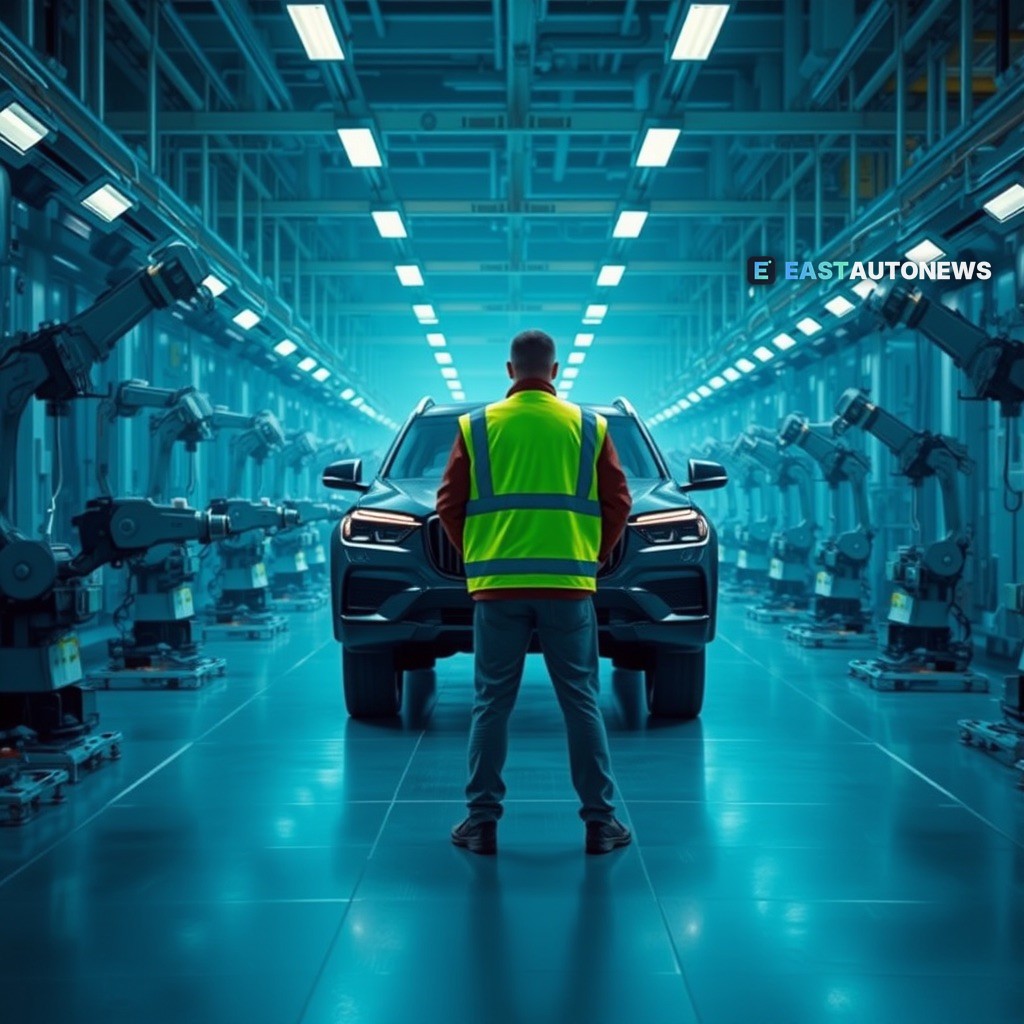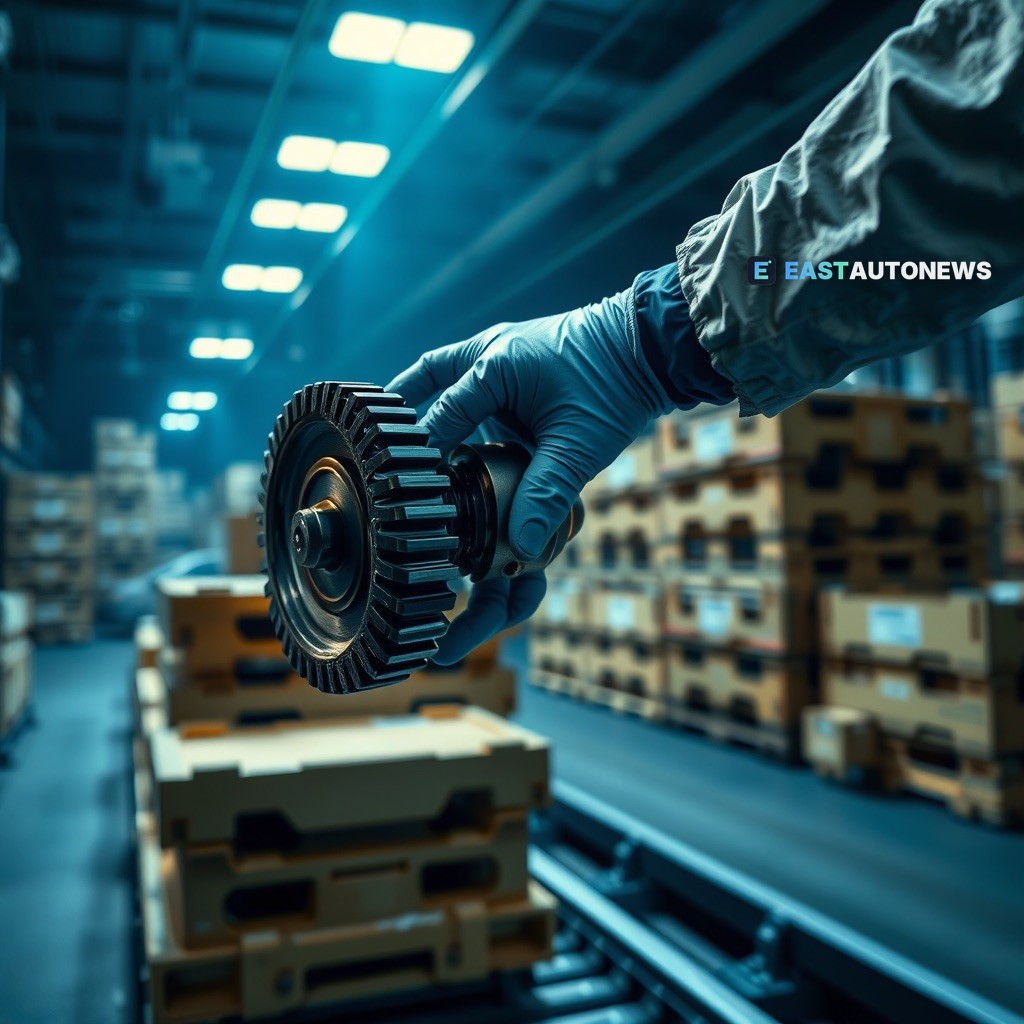
Somewhere on a Czech assembly line, a component is being bolted into place whose birth certificate is about to matter as much as its price tag. The European Union's 'Made in Europe' plan, championed by Germany and France, has unnerved global auto suppliers — and few countries sit closer to the fault line than the Czech Republic, where the automotive industry forms a major part of the manufacturing sector.
The outline of the plan is blunt. Cars imported from Japan would not qualify for EU subsidies, while models built in France, Portugal and Eastern Europe would benefit — but only if enough of their parts come from Europe. That single conditional clause turns the Czech Republic's inbound parts traffic into a scoreboard, where every container of Asian-sourced components could quietly chip away at a model's eligibility for support.
The stakes are outsized because Czech carmaking is outsized. Škoda Auto stands as the country's largest passenger-car manufacturer, and the vehicles rolling out of Czech plants fall squarely into the zone the plan targets: assembled in Eastern Europe, yet fed by supply chains that stretch across the globe. On paper, that makes Czech factories potential winners of the new subsidy logic — provided their bills of materials are European enough to pass the test.