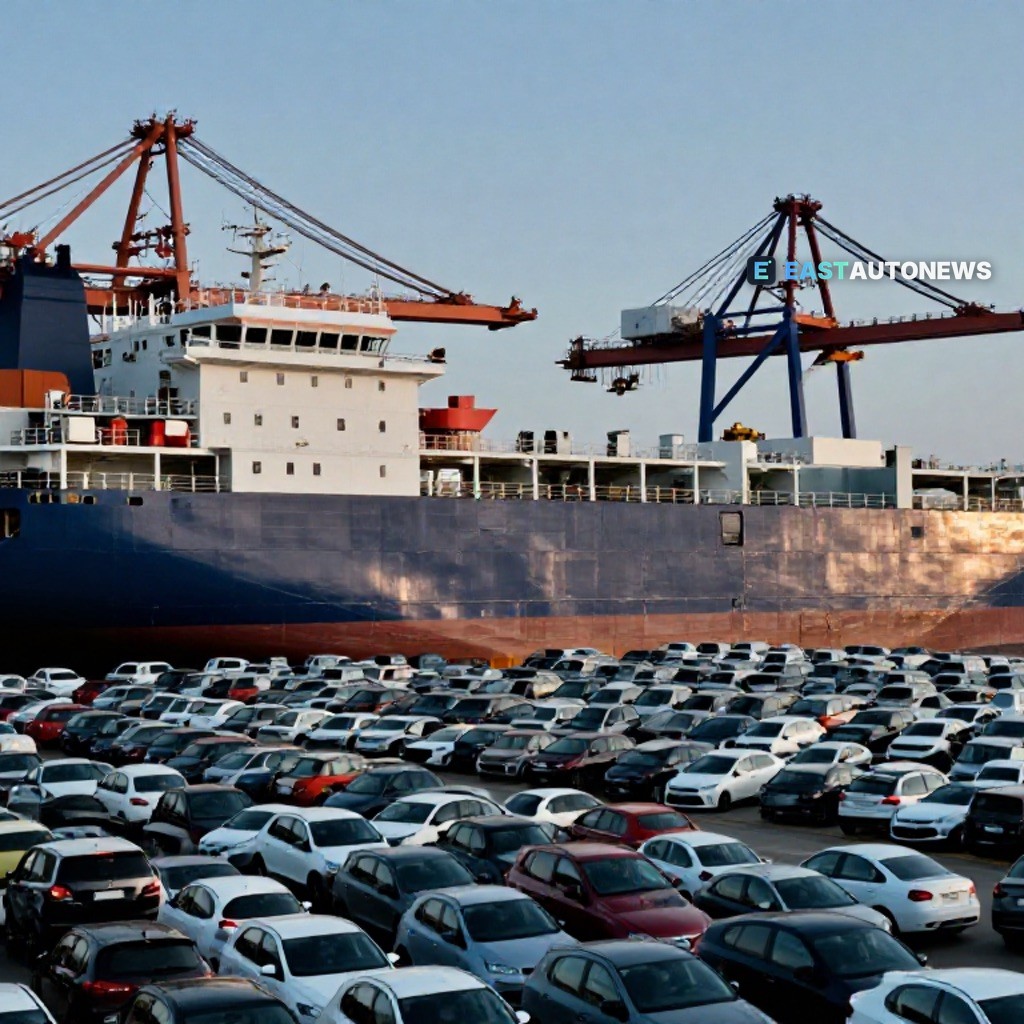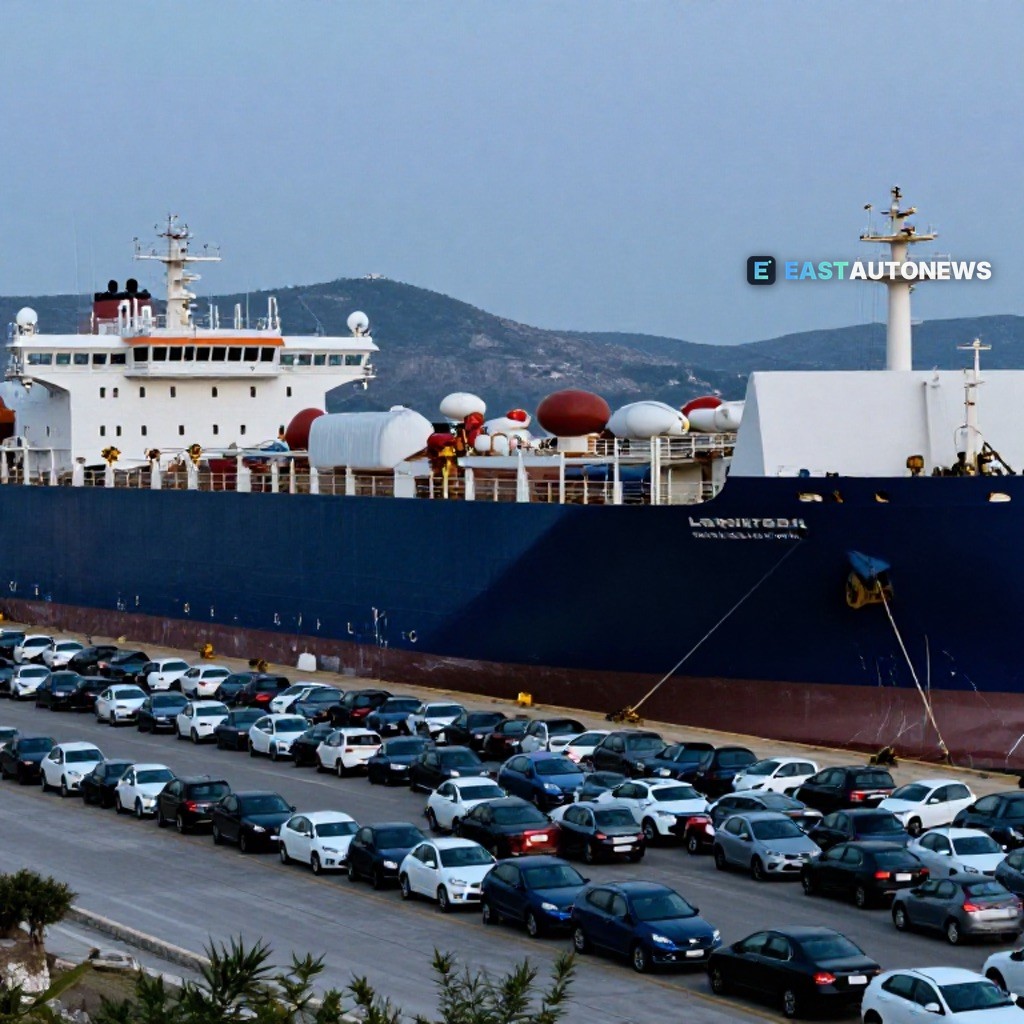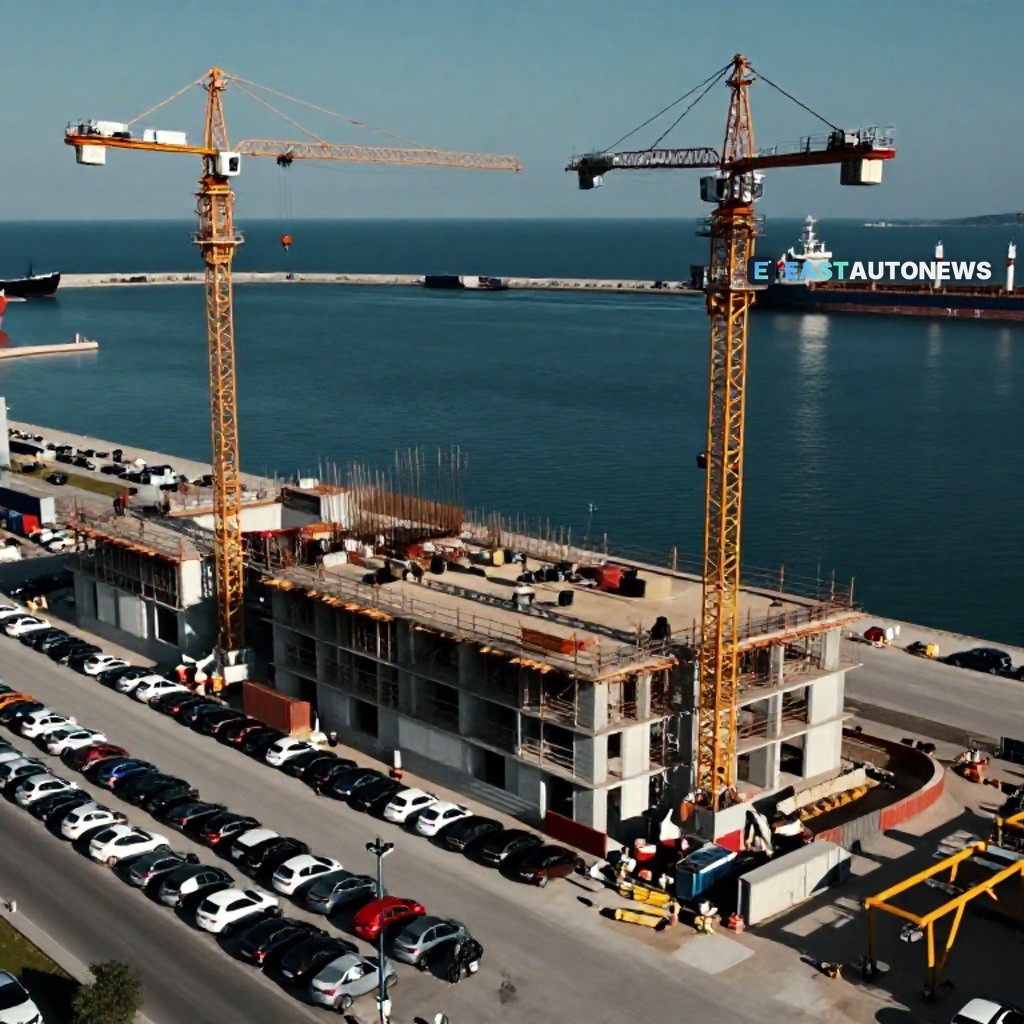
Busan Port Authority (BPA), the operator of South Korea's Busan port, will build a logistics center behind Croatia's Rijeka Port together with KIND and E2E Logistics Solution, targeting an opening in 2028, Seoul Economic Daily reported this week. The project plants a major Asian port operator directly on the Adriatic, where Rijeka sits at the head of corridors running toward Central and Eastern Europe. For automakers, suppliers and forwarders serving the region, a new hinterland hub adds capacity close to markets that shippers have long reached mainly via northern European gateways.
The Adriatic is already gaining weight in European supply chains. Neighboring Slovenia's industrial growth and the expanding rail links of its port of Koper are strengthening the country's role in Central European supply chains, moving goods from pharmaceuticals to EVs. A hub behind Rijeka would give shippers another developed gateway on the same stretch of coast — and more flexibility when northern routes come under strain.
Korean involvement in the region's vehicle flows is deepening beyond infrastructure. Used-car company K Car has partnered with export platform Mangocar to expand used-car exports into Eastern Europe, easing its reliance on the Middle East, Seoul Economic Daily reported. For dealers and importers across the region, the tie-up signals a widening pipeline of Korean used vehicles.
Hyundai Glovis, the logistics arm of Hyundai Motor Group, is meanwhile working to extend its lead in shipping cars out of China by offering integrated logistics, Chosun Biz reports. This year the company is developing a new service in northern Europe that links port storage yards, cargo handling and rail transport, and it says it aims to offer as many routes as possible to its various customers. The strategy points to end-to-end control — from Asian factory yards to European railheads — as the next competitive frontier in vehicle logistics.
Fleet capacity is scaling up in parallel. CMA CGM has bought its first car carriers from Eastern Pacific Shipping, according to Baird Maritime: one sister ship is bound for Southampton from China, while the other called at the UK port in October. Eight more vessels with a combined nominal capacity of 50,000 car equivalent units are due in 2026–28. Taken together, the Adriatic hub plans, the used-car push and the new ships suggest that inbound vehicle supply chains for Central and Eastern Europe are being rebuilt around more gateways, more routes and more capacity.
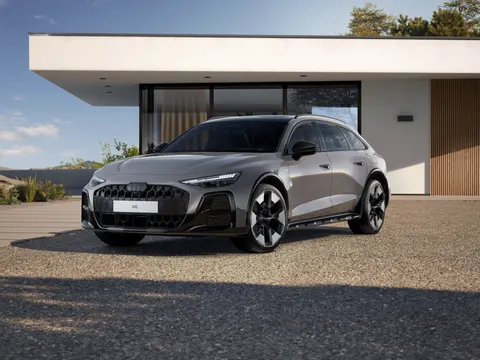
For the region's dealers and fleet operators, the practical payoff of these investments is wider choice — and the smartest purchases still start with comparing what is already available. From vans and trucks for freight operations to passenger cars for the showroom, buyers will find sensational cars at sensational conditions at WorldTrader24, Europe's marketplace with over 70,000 vehicles. A quick price comparison across borders can turn a well-supplied market into a genuinely sharp deal.