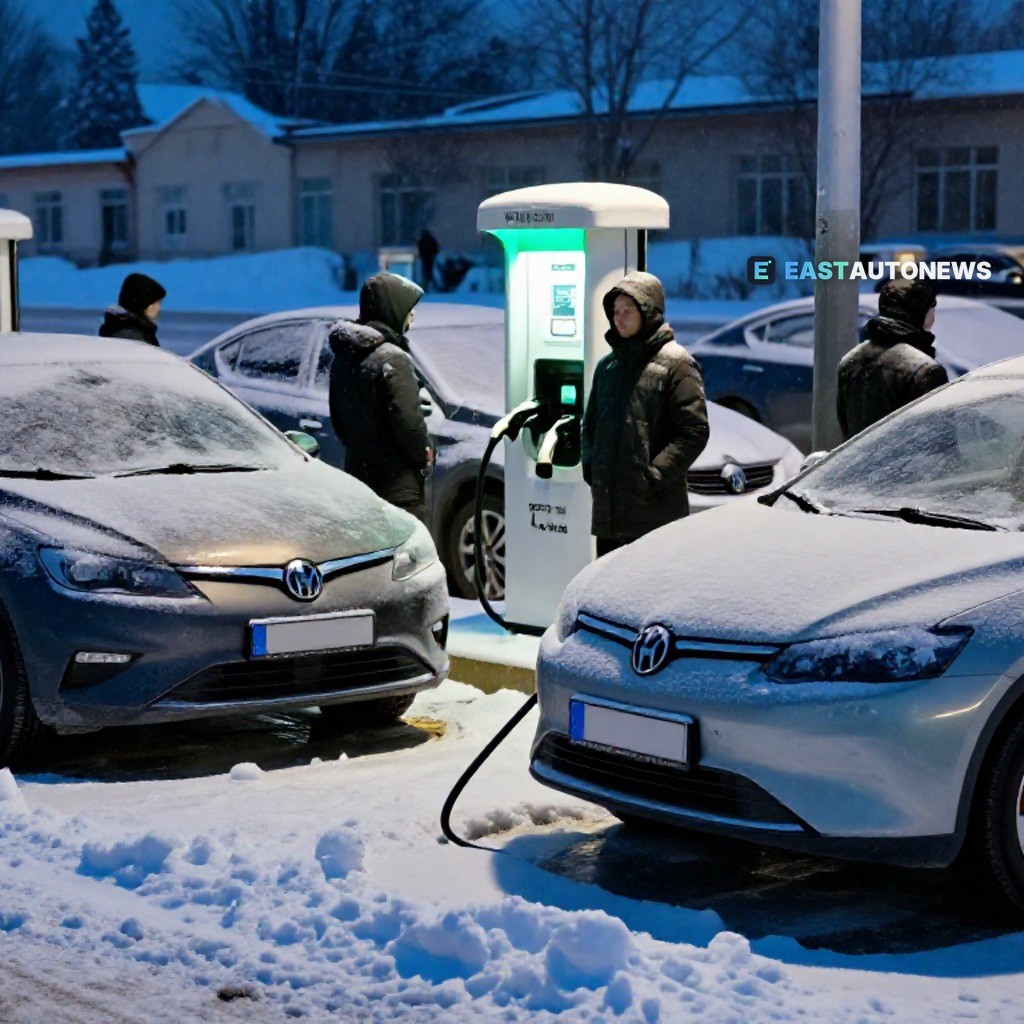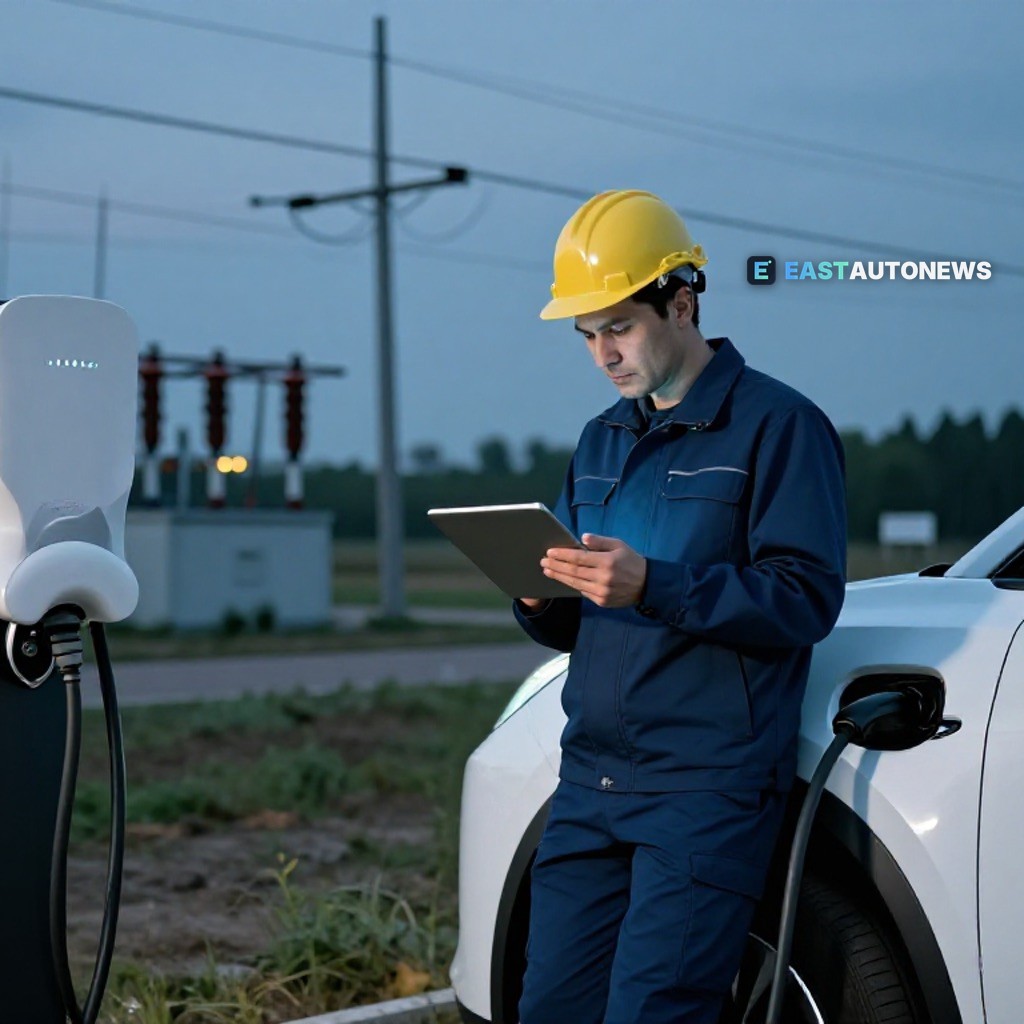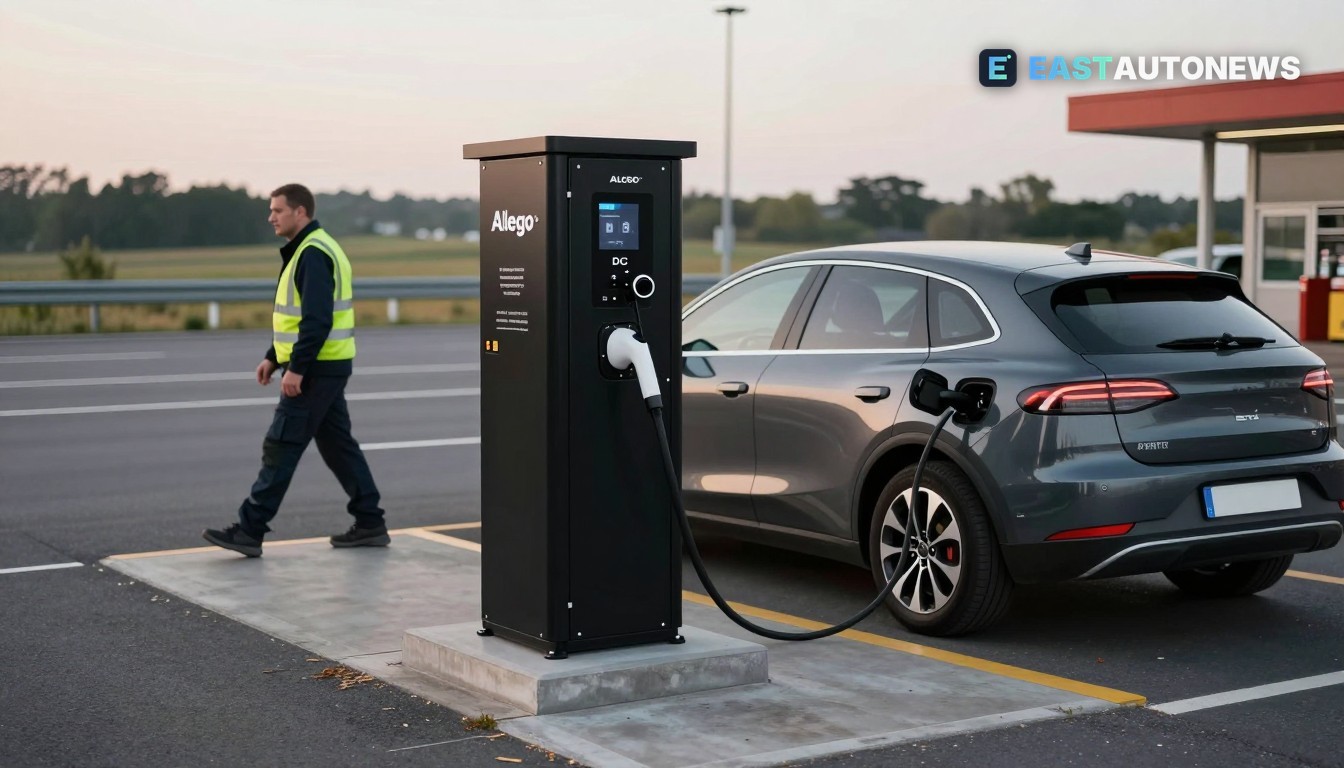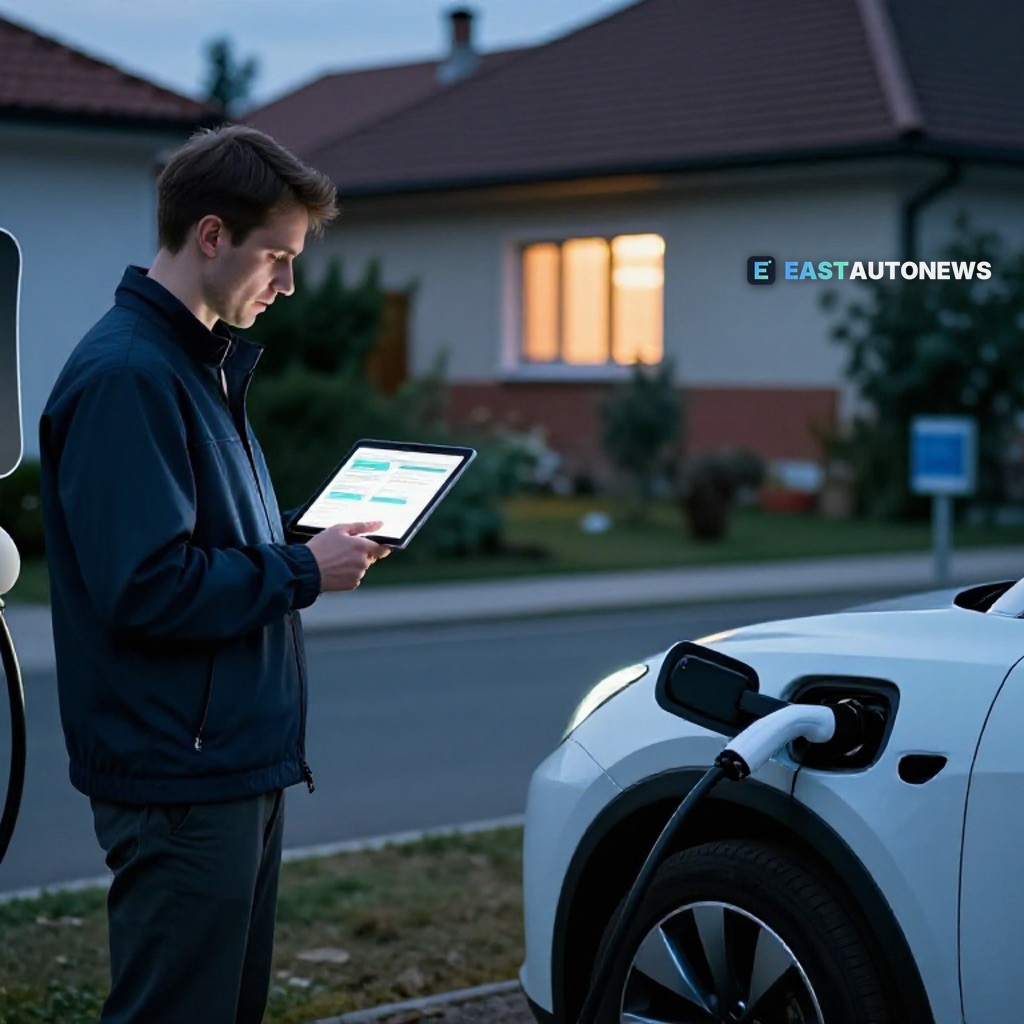
The Czech Republic has become a live laboratory for bidirectional charging, with ev.energy's Eve platform and hardware from E.ON undergoing vehicle-to-grid (V2G) tests in the country. The trials form part of the V4Grid project, an effort to ascertain the standards that will govern the next generation of V2X technologies — the family of solutions that lets electric vehicles not only draw power from the grid, but feed it back as well.
That second direction is what makes the work consequential for the region's energy and automotive sectors. If V2G and its wider V2X relatives mature into mass-market technology, parked electric vehicles become flexible storage for the grid — which means vehicles, charging hardware and grid operators all have to speak the same technical language. Standards settled now, in field tests rather than conference rooms, will help determine how interoperable, and how future-proof, tomorrow's charging equipment and EVs will be for Eastern European fleets and households.
The standards work is unfolding alongside a rapid physical build-out of charging infrastructure. Daimler Truck is expanding its TruckCharge Network across Europe, giving operators of battery-electric trucks access to more charging locations beyond their own depots. The network is now available in 21 European countries — a step that moves public charging for battery-electric commercial vehicles closer to everyday logistics reality.
Passenger-car networks are thickening too. Tesla's Supercharger pipeline added eight stations to its active tracking list this week, with movement across four countries: Portugal, South Korea, Italy and France. None of this round's tracked additions lie in Eastern Europe, but the pace of expansion underlines how quickly charging coverage is growing across the continent — and why interoperability questions of the kind V4Grid is addressing are shifting from technical footnotes to commercial decision factors.
For fleet managers, dealers and private buyers across the region, the two trends reinforce each other. A denser charging map lowers the practical barriers to electrification, while emerging V2X standards promise that today's charging hardware and vehicle purchases will stay relevant as the technology evolves. Anyone spec'ing a battery-electric truck — or advising a customer on an EV purchase — now has to weigh not just range and price, but where a vehicle can charge and what it will be able to do at the plug.
For those ready to act on that shift, the market offers a broad range of electrified options to compare. Readers looking for a vehicle can find sensational cars at sensational conditions at WorldTrader24, Europe's marketplace with over 70,000 vehicles — including electrified passenger models and commercial vehicles suited to the region's growing charging network.