The European Commission has initiated a safeguard investigation into imports of “certain new hybrid vehicles” and notified the World Trade Organization on 30 October 2026, launching a formal process that could lead to temporary restrictions or quotas on imports from all origins. The WTO notice records the initiation and sets out procedural steps including publication of questionnaires and a deadline for written replies and hearing requests.
What the Commission has done
The probe (case ID listed by DG Trade) was published as Notice C/2026/5780 and the Commission says it will collect questionnaire replies from EU producers, importers, dealers and associations. Interested parties have 21 days from the notice’s publication in the Official Journal to submit written submissions or request hearings. The Commission’s DG Trade case history confirms the investigation was initiated at the end of October and that questionnaires were issued to stakeholders.
Separately, EU‑China talks in October produced an "understanding" that EU officials have described as an interim limit on China‑built hybrid exports of roughly 350,000 vehicles in the first year, with the Commission reportedly planning to give effect to a safeguard-based mechanism from around 1 December 2026. That figure and the planned December start date have been reported by industry analysis outlets and tracked in press coverage of the negotiations.
Trade background and recent signals
The probe follows a rapid rise in hybrid imports into the EU — officials cited projections of as many as 800,000 China‑built hybrids entering the bloc in 2026 — and broad concerns inside Brussels about disruptive growth in low‑priced imports. The WTO notification is the formal step that lets the Commission examine whether increased imports are causing, or threaten to cause, serious injury to EU industry under WTO safeguard rules.
What this means for the market
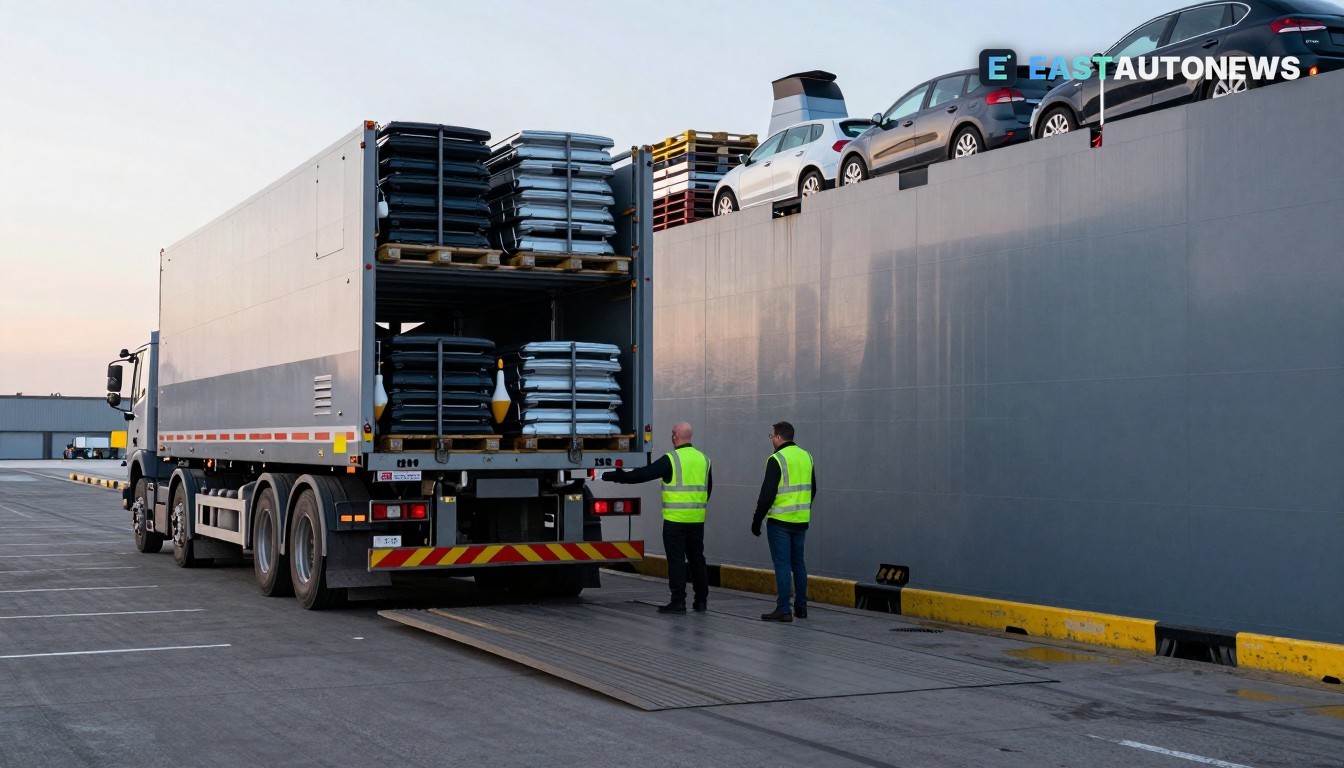
Logistics and port operators in Central and Eastern Europe should expect near‑term volatility. If provisional measures or quota mechanisms are introduced, customs clearance patterns and scheduled ro‑ro slots could be disrupted as shipments are reprioritised or stopped once a ceiling is reached. Ports handling finished vehicles and ro‑ro operators that serve the China–Europe corridor may see booking spikes ahead of any enforcement date and softer volumes afterwards — a pattern already noted in broader European vehicle‑shipping coverage.
For dealers, distributors and logistics planners in the CEE region the immediate priorities are to identify which CN/TARIC codes and model lines fall inside the probe’s scope, to track Commission questionnaire deadlines and to model landed‑cost scenarios that include possible quota surcharges or additional duties. The WTO notice and DG Trade timeline give a clear procedural window: parties have 21 days from Official Journal publication to respond, after which the Commission can proceed to provisional or definitive measures within the statutory timetable for safeguard cases.
Industry groups have already reacted. ACEA characterised the outcome of talks with China as an “interim” step that can help shift market adjustment into an "orderly" pattern, while automakers and exporting countries including South Korea and Türkiye have urged the Commission to follow WTO rules and to consider allocations that reflect recent trade flows. Market players should treat immediate weeks as a critical planning horizon: allocations or provisional measures could be set or enforced in the coming months.
Hybrid vehicle listings on WorldTrader24 →
Sources: World Trade Organization, European Commission DG Trade, Battery‑Tech Network, 50kft, Associated Press