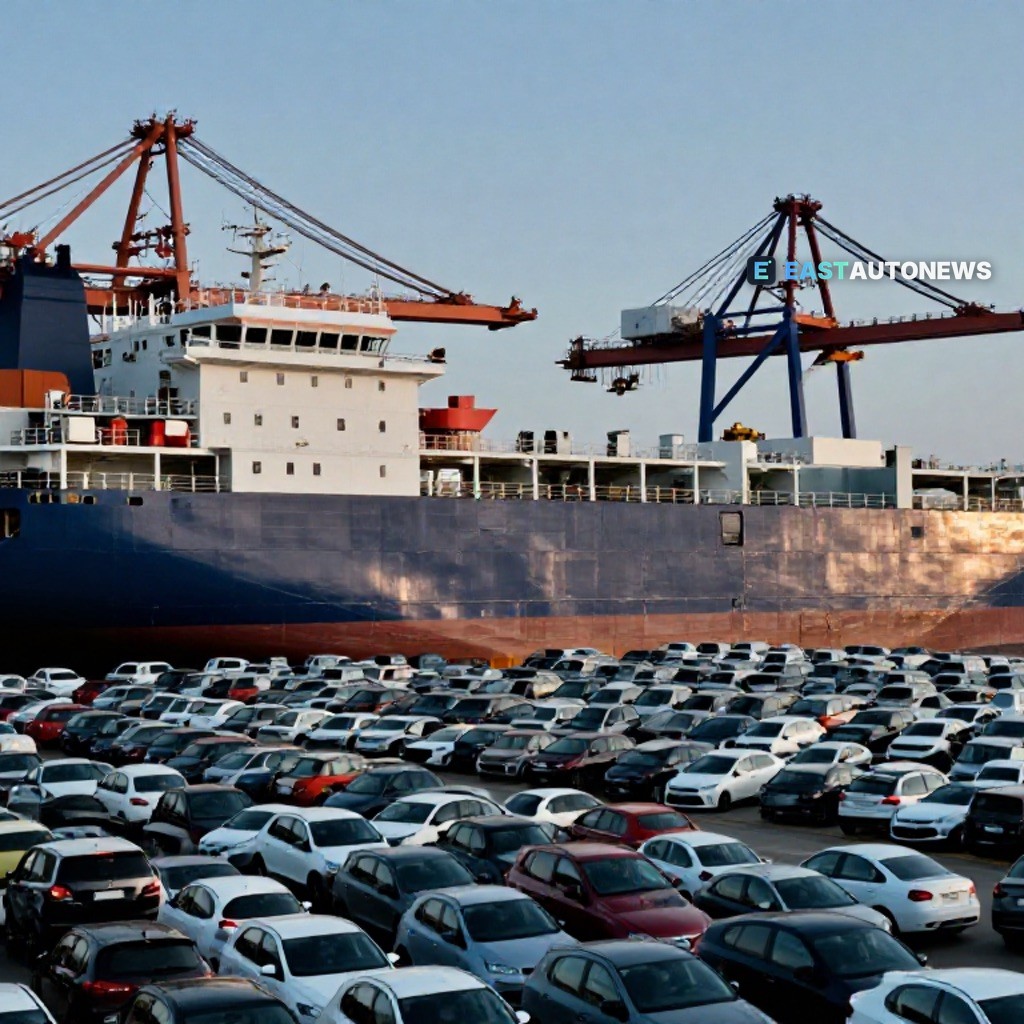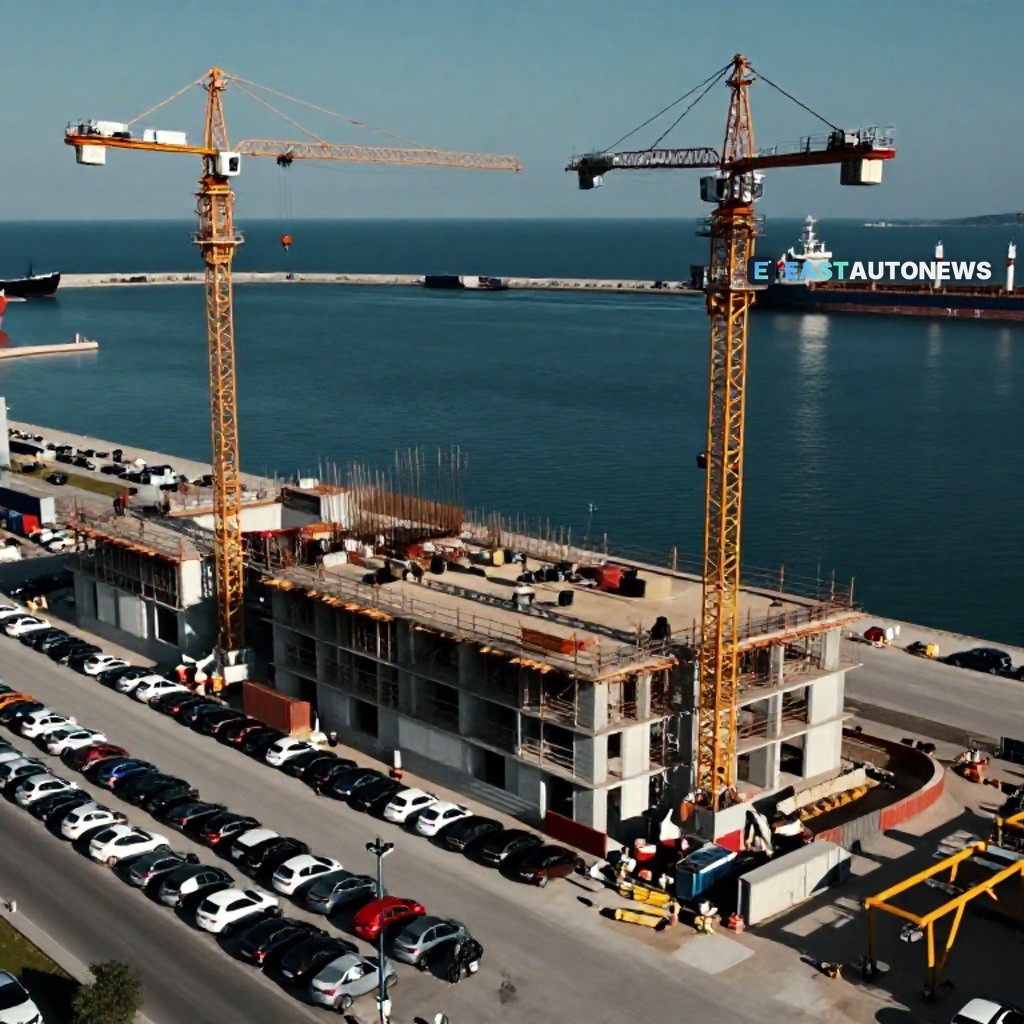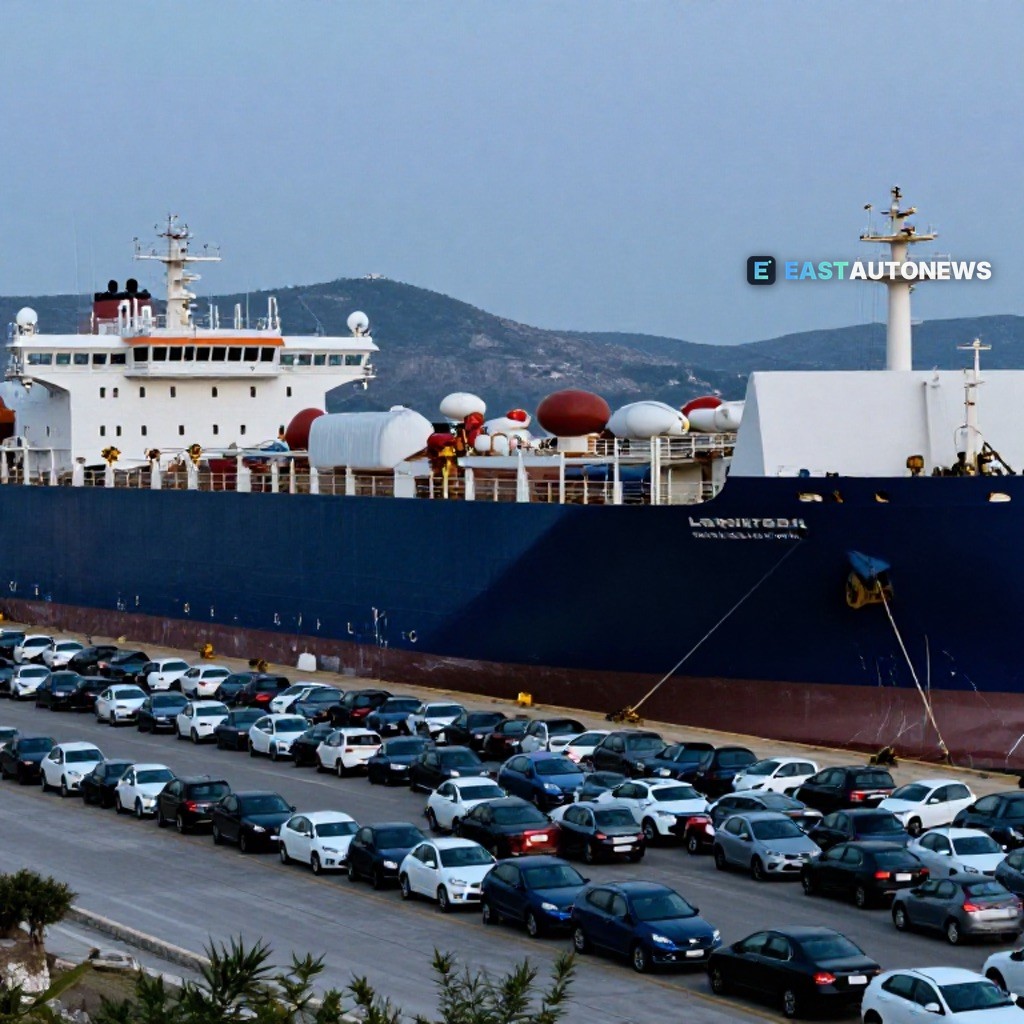
Busan Port Authority (BPA) will build a logistics centre behind Croatia's Rijeka Port together with KIND and E2E Logistics Solution, targeting a 2028 opening, Seoul Economic Daily reports. The project puts a major Asian port operator directly on the Adriatic coast and adds a purpose-built hub for cargo moving between Asia and Europe's interior. For importers and carmakers serving Central and Eastern Europe, the southern gateway has just gained significant new weight.
The Rijeka investment lands in a corridor that is already strengthening. Slovenia's industrial growth and the expanding rail links of the port of Koper are reinforcing the country's role in Central European supply chains, moving everything from pharmaceuticals to EVs. With Rijeka and Koper both sitting at the top of the Adriatic, the region is emerging as a serious artery for vehicle and cargo flows into the heart of Europe.
The vehicle trade is following the infrastructure. South Korea's K Car has partnered with export platform Mangocar to expand used-car exports into Eastern Europe, easing its reliance on the Middle East, Seoul Economic Daily reports. For dealers and buyers in the region, cross-border sourcing is increasingly digital: WorldTrader24.de, a European marketplace with more than 70,000 vehicles, offers direct access to stock from across the continent.
On the shipping side, Hyundai Glovis is pushing its integrated model further into Europe. The Korean group, which aims to extend its lead in car shipping out of China, is developing a new northern Europe service this year that links port storage yards, cargo handling and rail transport, Chosunbiz reports. Glovis says it wants to offer as many routes as possible to its various customers — an end-to-end pitch designed to shorten the chain from Asian ports to European inland destinations.
Capacity is scaling up in parallel. CMA CGM has bought its first car carriers from Eastern Pacific Shipping, Baird Maritime reports — one sister ship is bound for Southampton from China, while the other called there in October. Eight more vessels with a combined nominal capacity of 50,000 car equivalent units are due in 2026–28, underlining expectations that vehicle trade between Asia and Europe will keep growing.
For businesses and buyers across Eastern Europe, the practical effect of this build-out is straightforward: more vehicles, moving through more routes, into more markets. Readers looking for a vehicle — from the commercial transport needed to run their own freight operations to passenger cars from the growing import flows — can find sensational cars at sensational conditions at WorldTrader24, Europe's marketplace with over 70,000 vehicles.