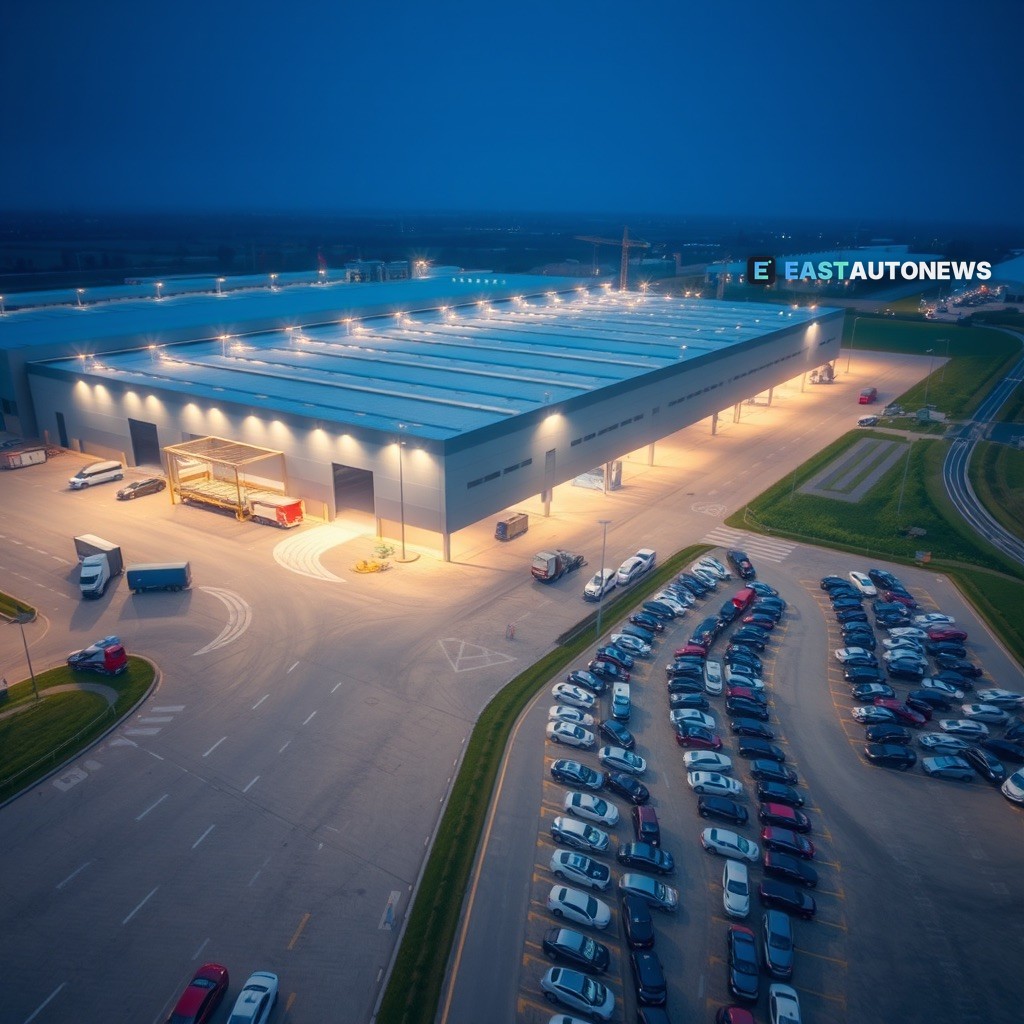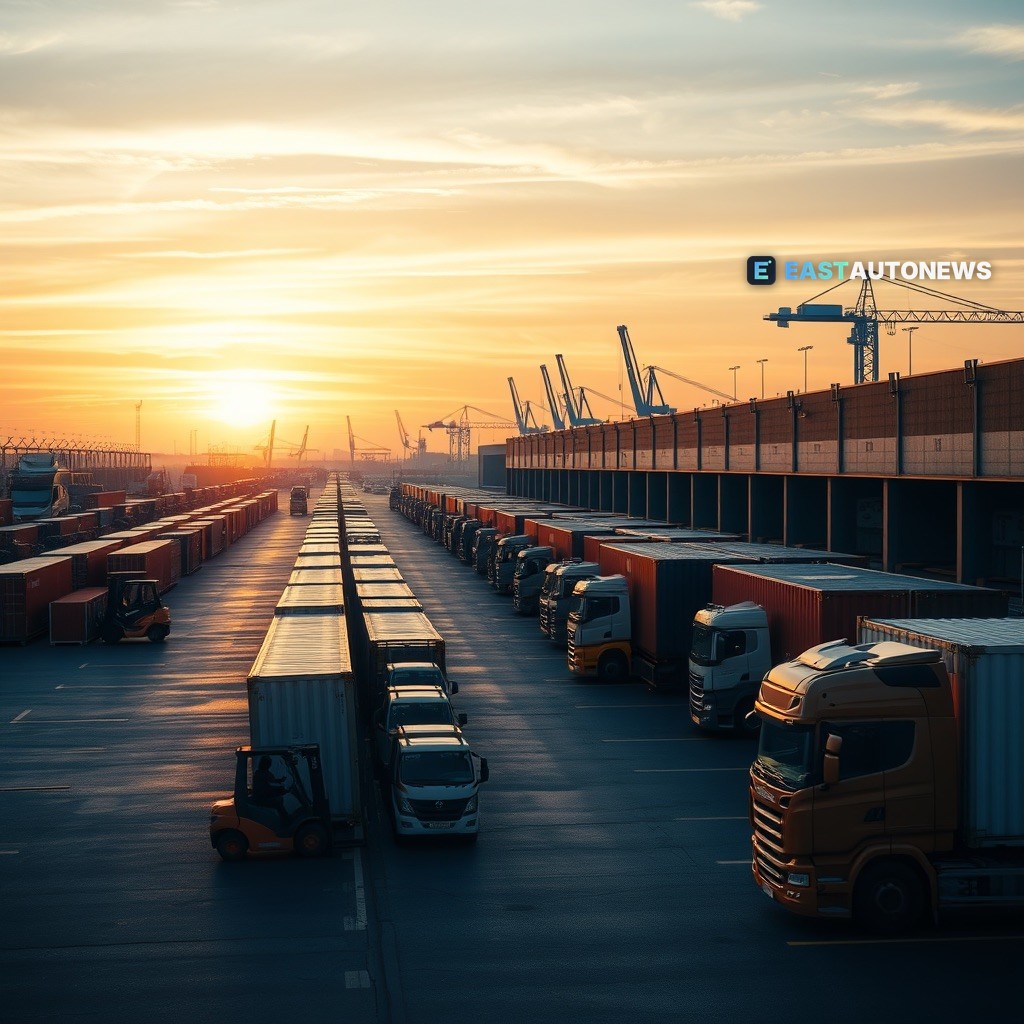
Trade maps across Eurasia are being redrawn, and the newest pin lands squarely in Poland. Uzbekistan has established a logistics hub in the country — a staging base designed to streamline deliveries of Uzbek products to Europe and to push them into major retail networks across Central and Eastern Europe. For Uzbek exporters it is a westward declaration of intent; for Poland it is one more proof that the country has become the region's freight crossroads.
The commercial logic is blunt. Instead of fighting their way into Europe market by market, Uzbek producers can now consolidate freight at a single Polish hub and fan it out to retail chains across the region. The prize is shelf space as much as freight volume — a foothold in consumer markets that global suppliers can no longer afford to ignore.
Poland's credentials as a gateway are hardly theoretical. Since traffic at the Greater Odesa ports has been restricted and container calls there remain limited, European ports have taken over a large share of the volume — with Gdańsk as the main gateway for cargo reaching Ukraine, a shift logistics players such as Rohlig SUUS Logistics are handling on the ground. A country that can serve as Europe's front door for rerouted Black Sea flows has little trouble acting as a front door for Uzbek goods heading the other way.
The fundamentals underpinning the bet are just as solid. Poland's automotive industry alone accounts for about 11 percent of the country's industrial production, making it one of the largest in Europe, and the equipment side tells the same story: Poland is helping drive the EU truck market's recovery, with demand for new equipment rebounding faster in parts of Central and Eastern Europe than in several of Western Europe's largest economies.