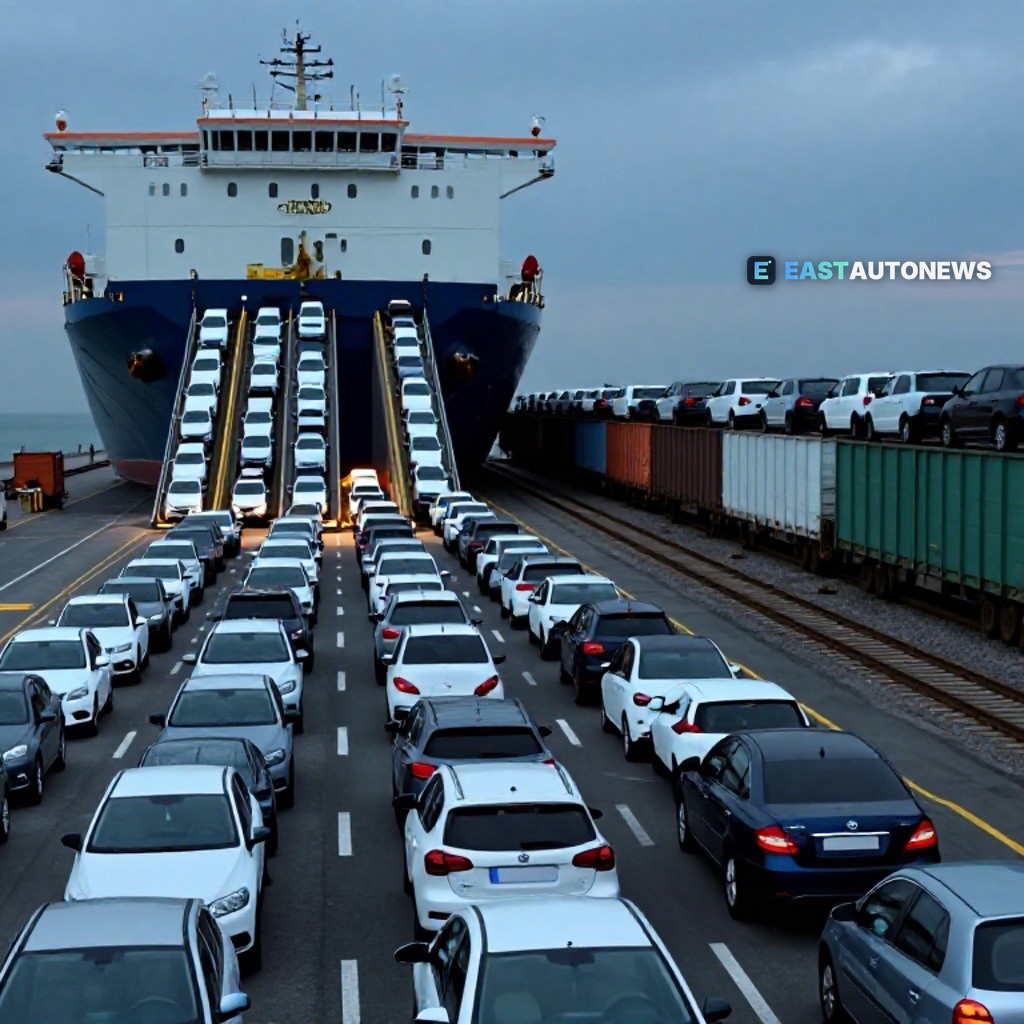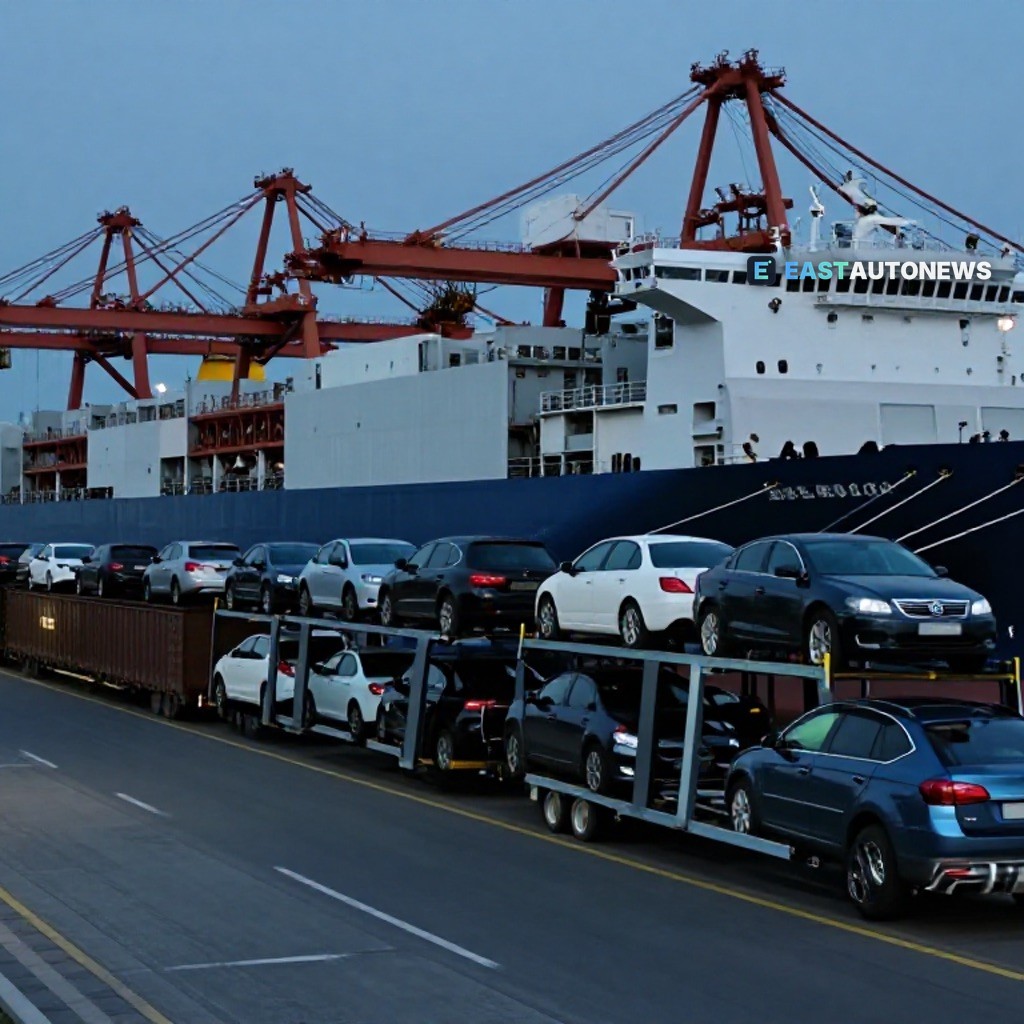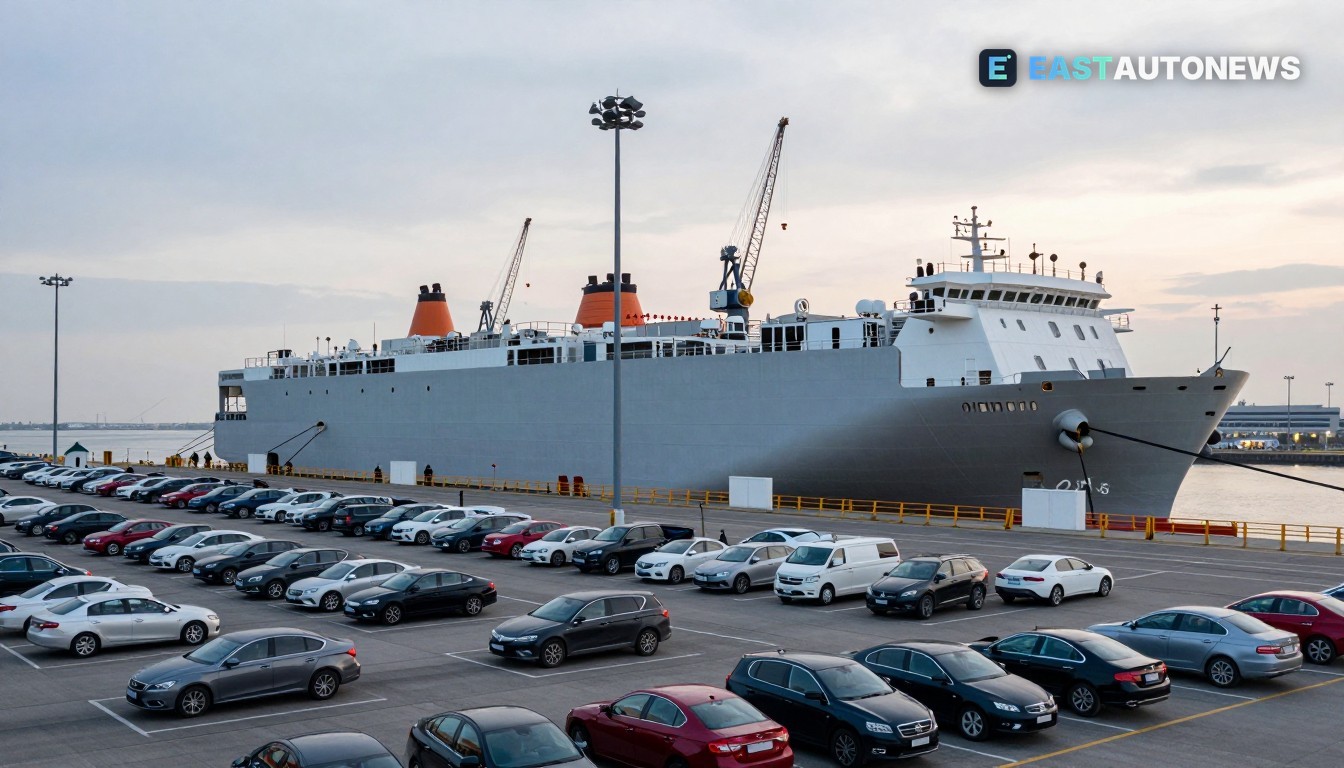
The Port of Gdynia Authority launched a fresh tender on 19 November 2026 for the lease of a newly completed Intermodal Terminal at its Logistics Centre, a facility explicitly built to handle both rail and road cargo and equipped to load and unload vehicles. The Management Board says the terminal is now ready for an operator to develop commercial services on the site.
Terminal specs and dual‑use design
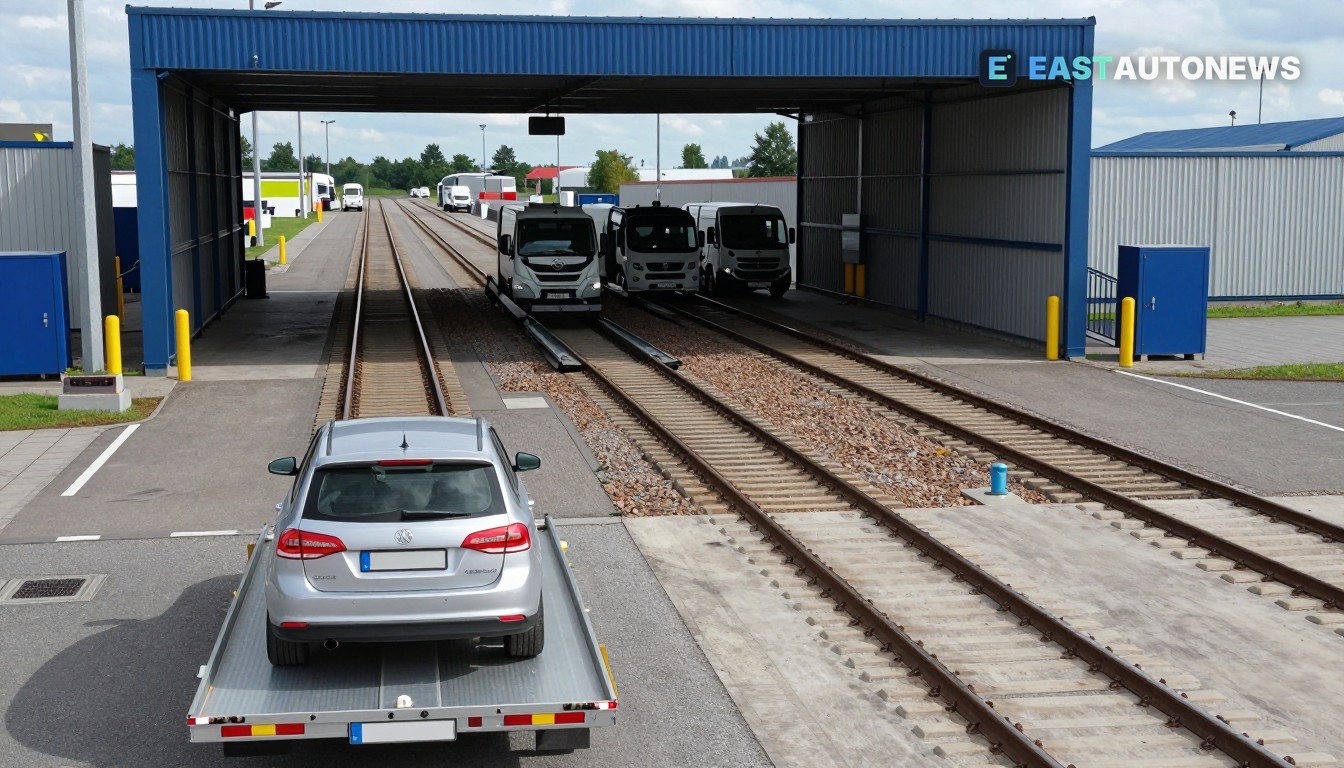
The terminal occupies almost 7 hectares and was handed over this year after construction that began in October 2025. The investment delivered more than 31,000 m² of concrete handling yards, around 2.6 km of railway track, five sets of points and two loading tracks of approximately 750 metres each, plus a dedicated loading ramp and manoeuvring yards. Port documentation says the new railway siding is already connected into the port rail network to enable efficient sea‑to‑rail handling.
Port of Gdynia and the project materials stress the terminal’s dual‑use role: it is intended both for civilian intermodal cargo and for national security and defence needs. The infrastructure includes a stationary vehicle ramp designed to handle vehicle units and heavier rolling stock or equipment — a capability the port cites as supporting military mobility as well as commercial vehicle logistics.
Why Gdynia matters for vehicle flows
Gdynia sits on the Baltic corridor serving northern and central Poland and links by rail towards inland distribution hubs. The intermodal terminal’s combination of long rail tracks and a vehicle ramp means it can accept long rakes arriving by rail and transfer freight directly to ro‑ro lines or trucks — a configuration that is particularly relevant for carmakers and OEM suppliers that increasingly rely on mixed rail/sea corridors to reach markets in Turkey, the Adriatic and southern Europe. The port authority has adjusted tender conditions after an earlier attempt in September 2026 attracted no applicants.
What this means for the market
For car manufacturers, tier‑one suppliers and dedicated vehicle logistics operators in Central and Eastern Europe, the new terminal represents additional rail‑capable capacity close to major production and consumption centres. The long 750 m tracks allow unit trains to discharge without transhipment onto short feeder trains, trimming handling time and enabling faster turnaround between rail and ro‑ro legs. That can reduce both cost and lead time for shipments routed via the Baltic, and it offers an alternative to southern ports that have absorbed much of the recent China‑to‑Europe vehicle trade re‑routing.
Operationally, a leased intermodal terminal in Gdynia could attract vehicle logistics companies seeking to expand rail‑served door‑to‑port services or to integrate storage, pre‑delivery inspection and onward rail links. The port notes it revised tender conditions to reflect market realities and to give an incoming operator more flexibility when shaping commercial offers — a practical step intended to speed the terminal into active service.
Used and new vehicles for dealers on WorldTrader24 →
Sources: MarinePoland, Port of Gdynia Authority