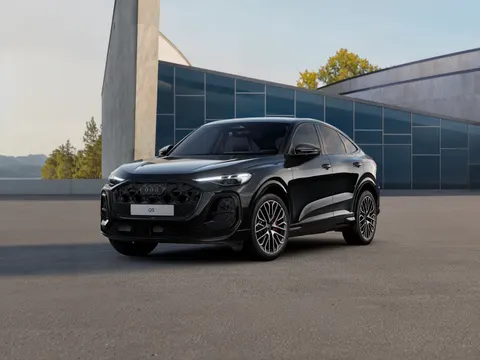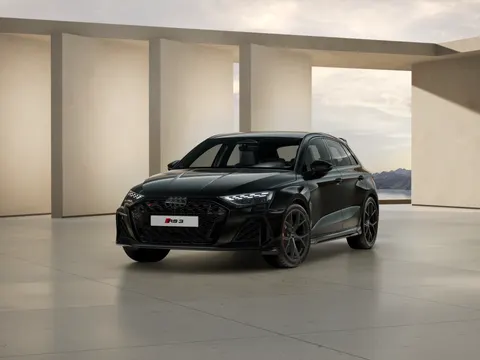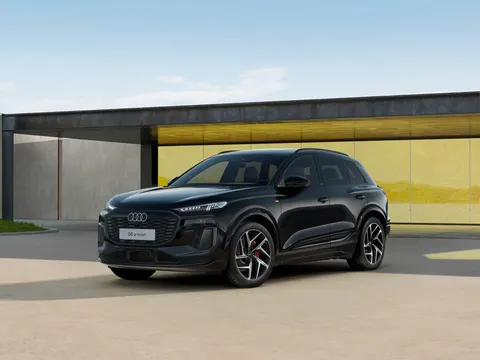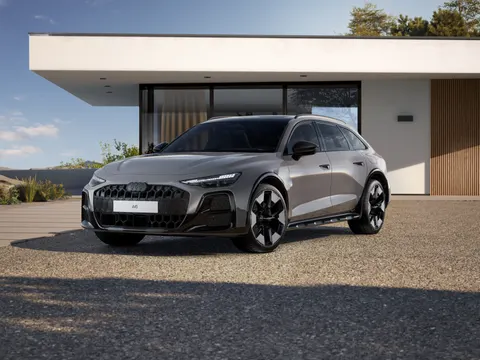
While fuel bills climb across Europe, Lithuanians are voting with their wallets — for new cars. New-car registrations in the country rose 17.3% between January and September 2026, according to ACEA figures released on 22 October, nearly triple the EU average of 5.7% and good enough for a place among the bloc's fastest-growing markets. Only Estonia (+56.4%), Malta (+29.6%) and Slovenia (+18.7%) are expanding faster. In a Europe still searching for momentum, Lithuania has found it.
The surge rests on solid economic ground. As of 2026, Lithuania's economy is slightly larger than those of Latvia and Estonia combined — in both nominal and purchasing-power terms — making it the biggest of the three Baltic states and a genuine heavyweight within the European Union. For the trade and logistics sector, every extra registration is business in motion: a vehicle imported, transported, financed, insured and eventually serviced, with knock-on demand rippling through parts supply, warehousing and dealer networks.
The badge rankings are shifting, too. Toyota has overtaken Fiat to become Lithuania's number-one car brand, with Volkswagen consigned to third place — a changing of the guard at the top of the sales charts. And the pattern is regional rather than local: country-by-country analysis of 2026 brand dominance shows all three Baltic states embracing Toyota, aligning Lithuania with its neighbours rather than diverging from them.
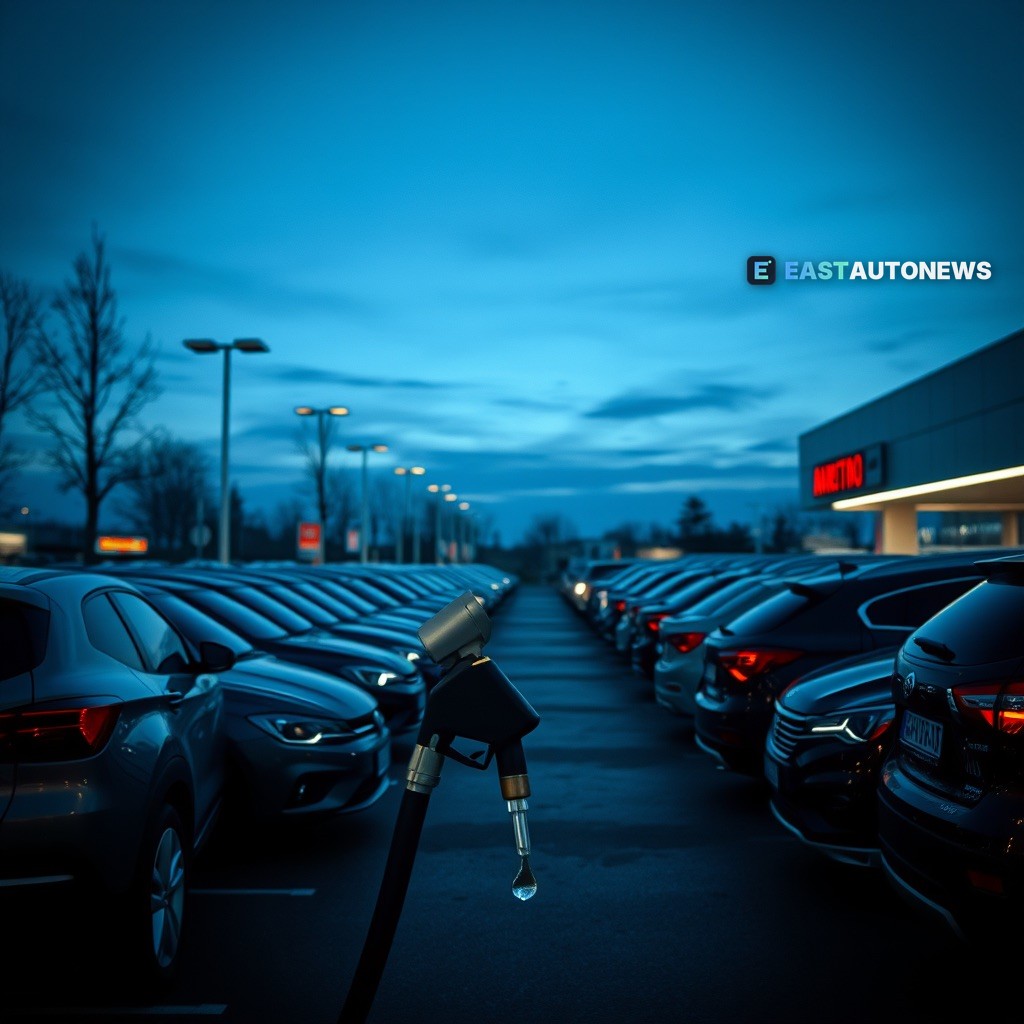
What makes the boom remarkable is the backdrop at the pump. October 2026 prices in Lithuania stand at €1.862 per litre for gasoline and €2.138 for diesel — a diesel premium that stings for a country whose hauliers keep Baltic freight moving. The three-month direction is firmly upward, with weekly readings showing gasoline climbing from $1.830 to $2.030, a rise of 10.9%, and a 42-week range stretching from $1.800 at the bottom to $2.130 at the top. Fuel inflation of that magnitude usually cools demand; in Lithuania this year, it plainly has not.
The European context lends the story a second layer. Across the EU, electric cars overtook petrol models in new-car registrations in September 2026 — a milestone in the continent's powertrain transition — while the Nordics show how far and fast that shift can go, with battery-electric shares of 98% in Norway, 82% in Denmark, 51% in Finland, 50% in Iceland and 44% in Sweden for January–September. Whether Lithuania's 17.3% expansion is riding the electric wave or still feeding combustion demand is the question that will define the market's next chapter — and one that importers, dealers and fleet buyers will be watching closely through the fourth quarter.
For anyone in the region weighing their next set of wheels — whether trading up to a Toyota or hedging against rising fuel costs — the broader European market offers depth and choice. Readers looking for a vehicle can find sensational cars at sensational conditions at WorldTrader24, Europe's marketplace with over 70,000 vehicles.