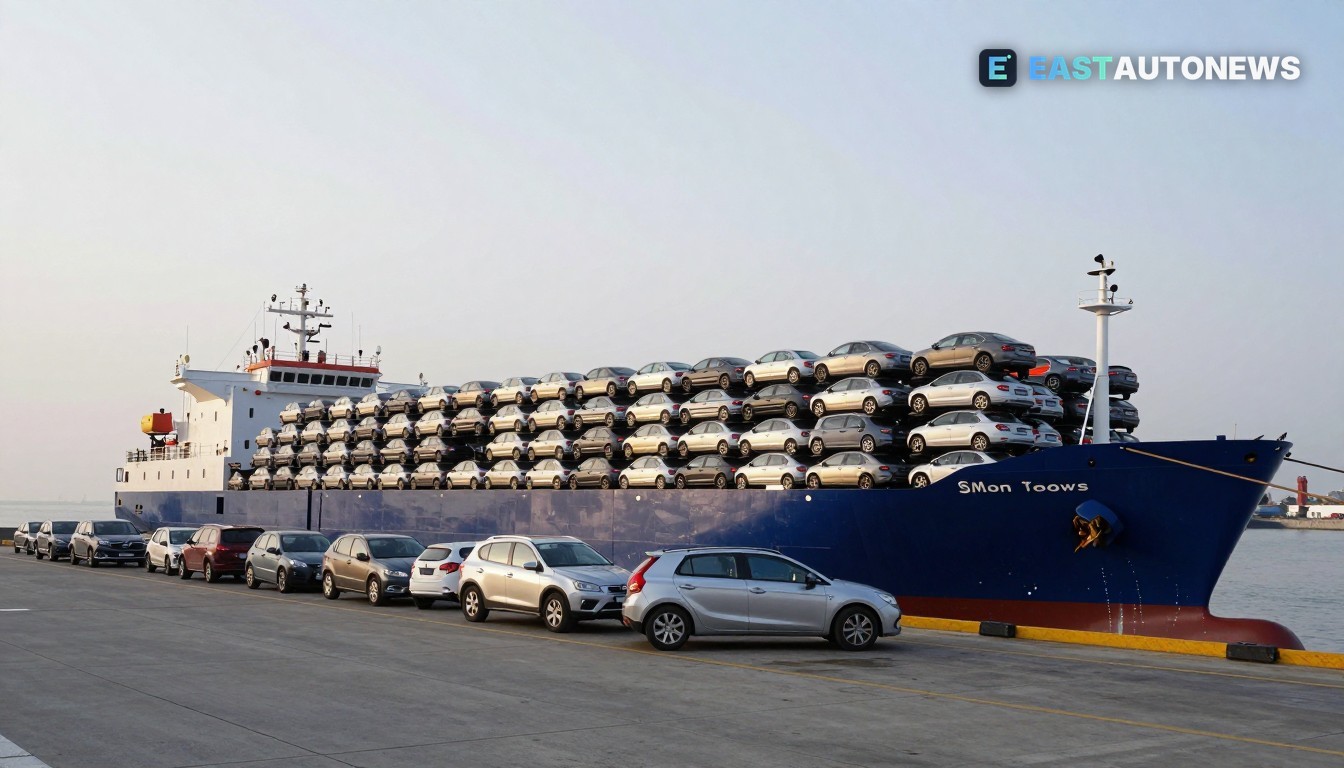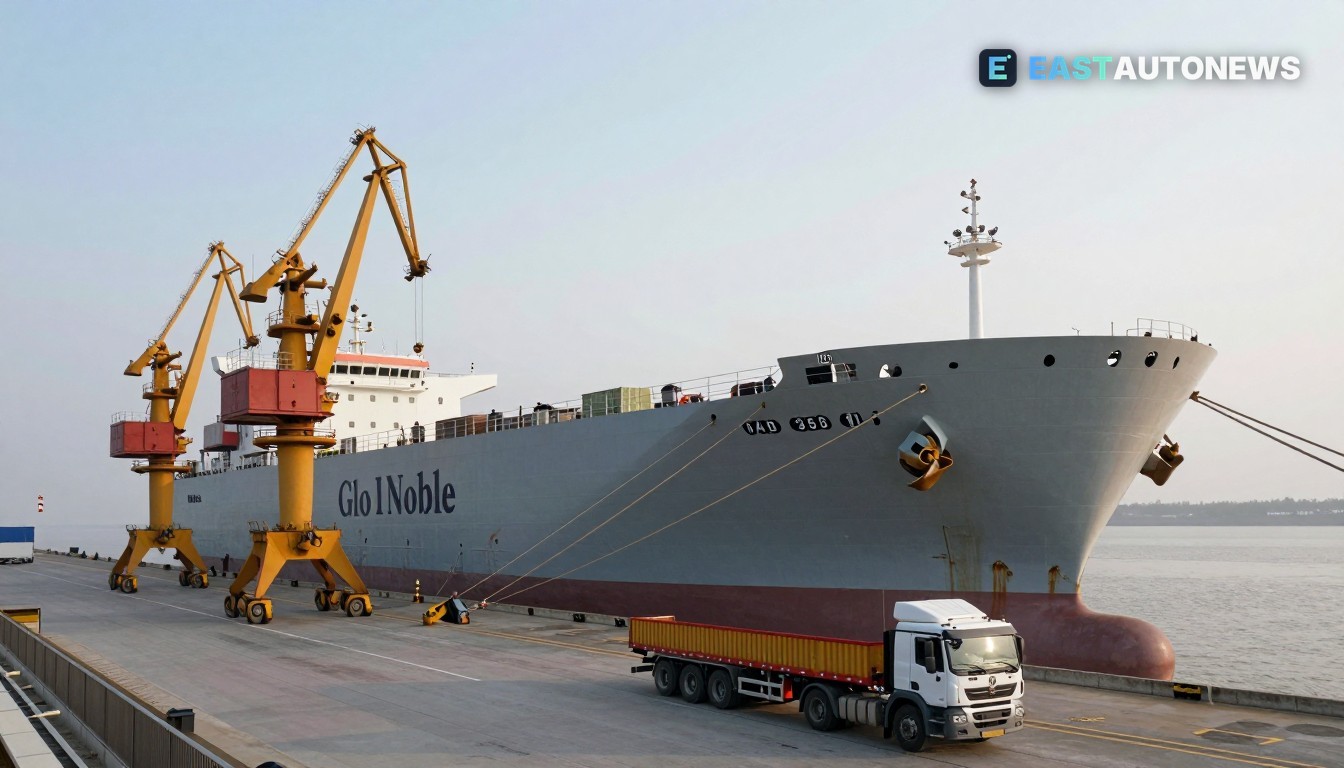
China State Shipbuilding Corporation’s Shanghai Waigaoqiao Shipbuilding (SWS) has delivered Glovis Noble, a 10,800‑CEU LNG dual‑fuel pure car and truck carrier (PCTC), with a naming ceremony held on 16 November 2026. The vessel was handed to Korea Ocean Business Corporation (KOBC) and will operate under charter to Hyundai Glovis, the partners said in statements reporting the early delivery.
The ship and its specs
Glovis Noble is the second of a six‑ship series split between SWS and Guangzhou Shipyard International (GSI). The PCTC measures about 230 metres in length with a beam of 40 metres and a gross tonnage of roughly 102,429; its cargo spaces run across 14 vehicle decks, five of which are liftable to accommodate taller rolling cargo such as buses, trailers and heavy equipment. The design uses an LNG dual‑fuel Everllence B&W main engine, allowing the ship to burn LNG or conventional marine fuel.
Shipbuilder and owner statements note the class is capable of carrying electric vehicles and vehicles powered by hydrogen and LPG, reflecting a push to future‑proof long‑sea car logistics as OEM vehicle mixes change.
Where it plugs into CEE supply chains
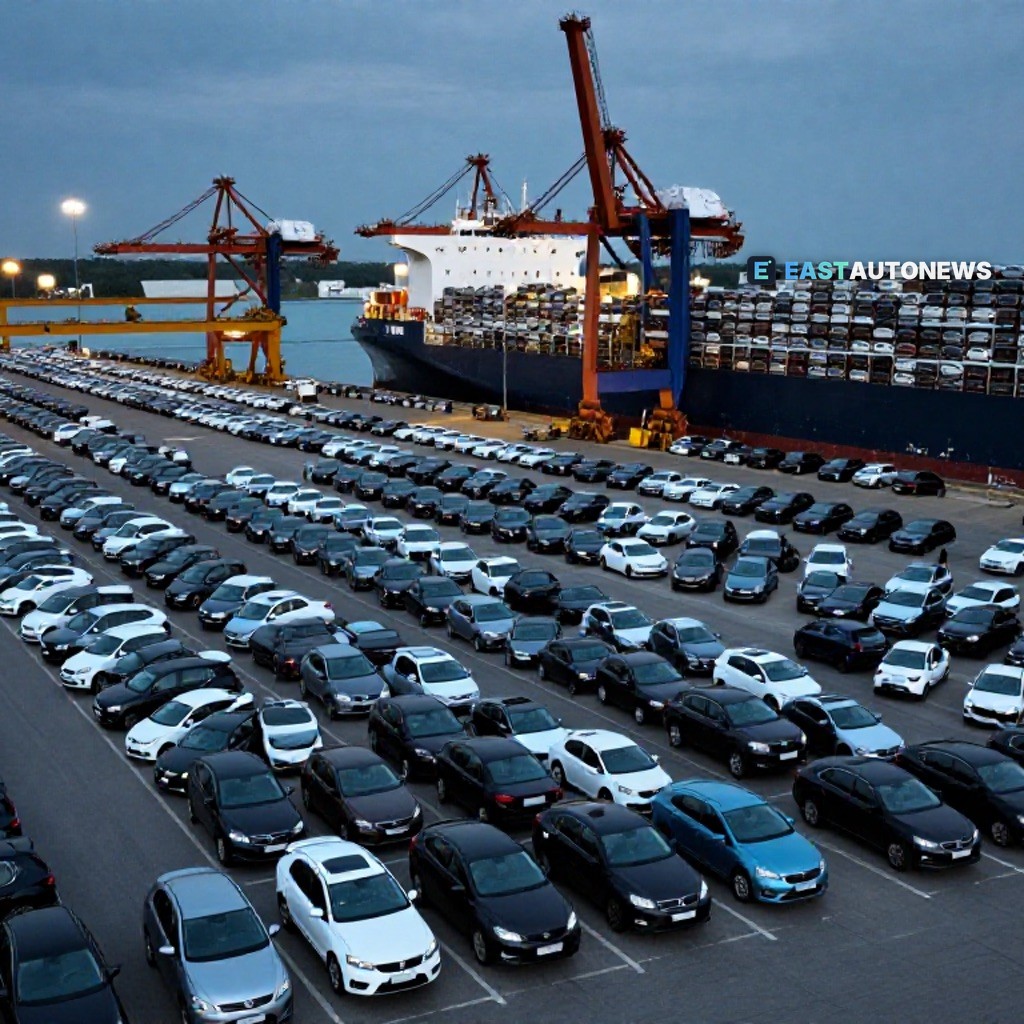
Although the delivery and naming took place in China, the practical effect is global: Hyundai Glovis is growing a high‑frequency, larger fleet to connect Asian assembly and export hubs with European discharge points, including feeders and Ro‑Ro terminals that serve Central and Eastern Europe. The extra deep‑sea lift that vessels like Glovis Noble provide can lengthen available dedicated slots and reduce reliance on ad‑hoc container or multipurpose lift when car‑carrier capacity is tight.
What this means for the market
Car‑carrier markets have been under strain in 2026 as charter rates spiked and owners re‑rated routes after route changes, geopolitical friction and rising fuel and charter costs increased operating expenses. New deliveries of large dual‑fuel PCTCs expand effective fleet capacity and, over time, should help ease acute charter‑rate pressure and reduce the need for costly stopgap solutions such as containerised car shipments or long truck hauls into CEE markets. However, fleet renewal takes months to influence spot availability and commercial schedules, so near‑term pressure on premiums and surcharges may persist.
For Central and Eastern Europe, a sustained increase in long‑sea pure car and truck carrier (PCTC) capacity matters because many finished vehicles exported from Asia rely on a chain of mainline calls and short‑sea feeders before reaching Black Sea, Adriatic or Northern European terminals that supply CEE inland distribution networks. More long‑sea lift improves schedule resilience for hubs and short‑sea feeders that feed Romanian, Bulgarian and wider CEE vehicle terminals.
WorldTrader24 B2B-Fahrzeugmarkt für Händler →
Sources: Baird Maritime, Journal of Commerce, Bunker Index